Malternatives 101 Part 3: Fruit Brandies & Liqueurs
Or: “All the other stuff I like”
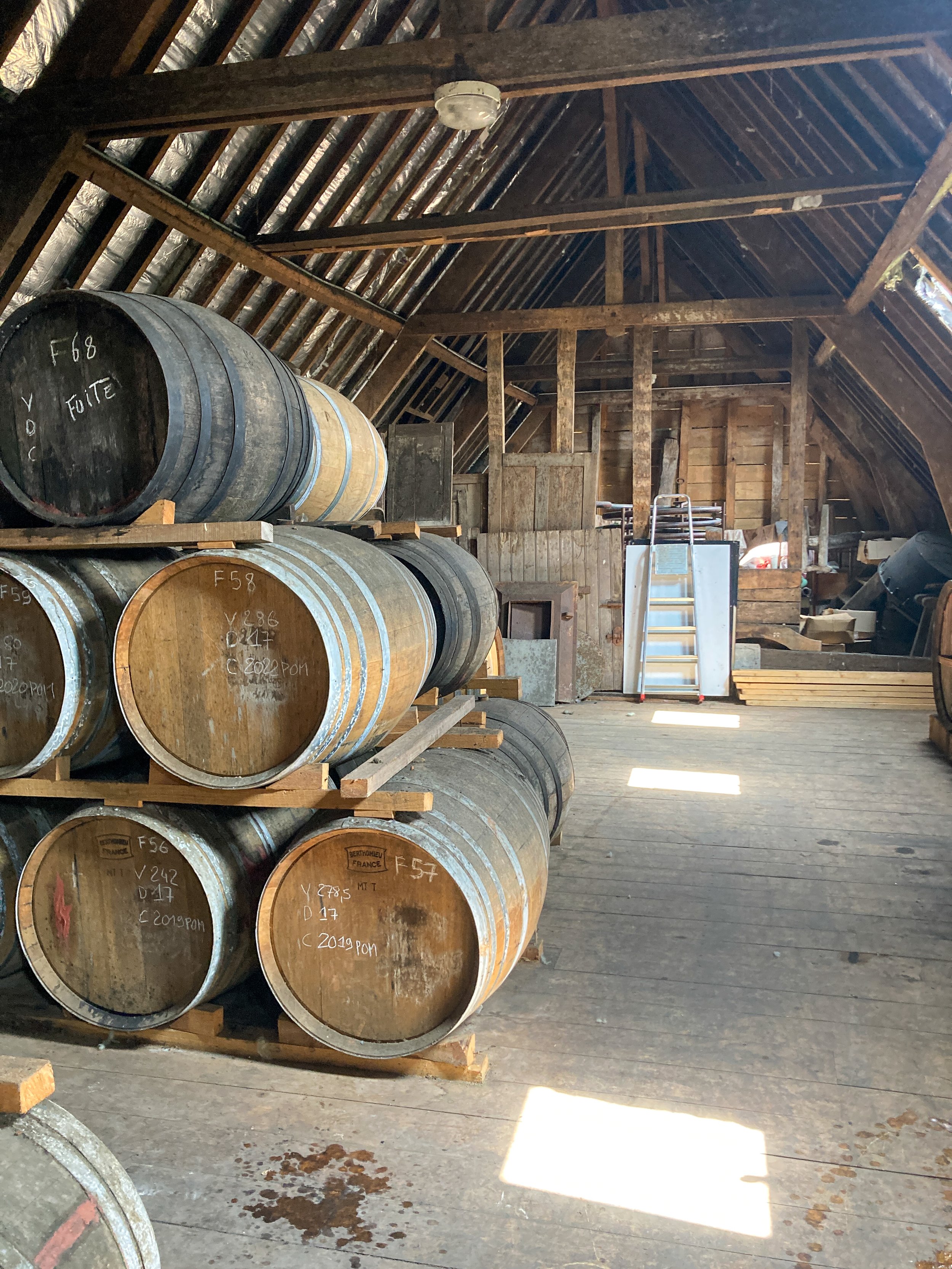
In this third and final piece to Ainsley’s ‘Malternatives’ trilogy, he gives an overview of Calvados and fruit-based Brandies, Eaux-de-Vies, some quality Liqueurs and a surprising Japanese spirit: Shochu. Settle in.
This keeps getting more niche.
This is the third and final instalment in this Malternatives feature series. You can read Part 1 on Rum here, and Part 2 on Cognac & Armagnac here.
This last one is going to be about basically all the other types of spirits I tend to enjoy and, as such, probably won’t be as in depth as our previous instalments, and is therefore intended as an introduction.
Even if whisky is your only lane, consider reading this to digest a little more insight into other distilled spirits. We’re all here for flavour after all, and a little understanding how that comes to be can be very useful.
I personally find occasional step-changes to what I pour not only serves as a perspective shift and a reset, but it enhances the enjoyment of everything.
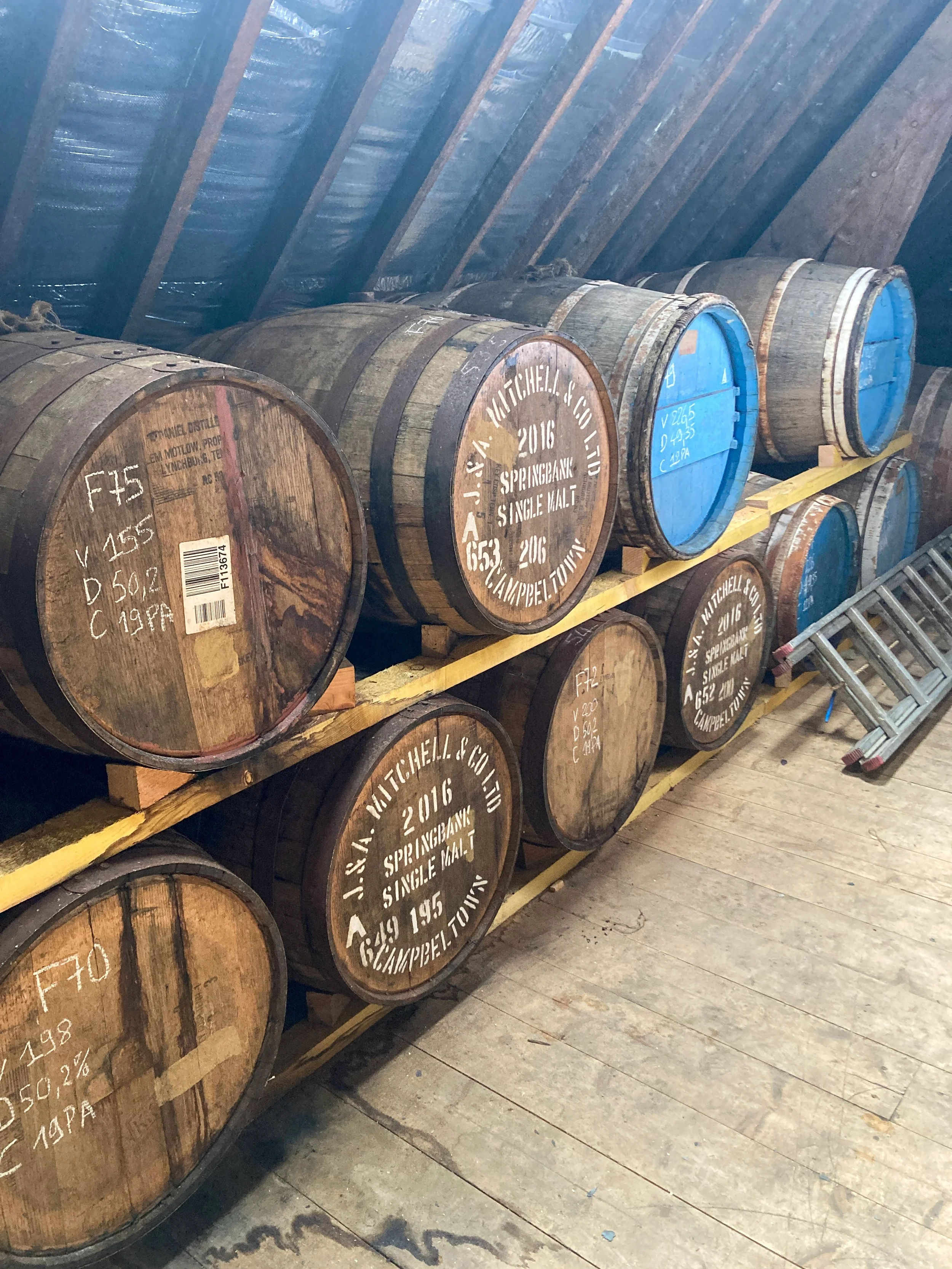
Chapter 1: Calvados; A Normand delight.
I couldn’t do a whole feature on Armagnac and Cognac, and not give a mention to their grassroots spiritual brother: Calvados.
For those of you who have never heard of it, well, firstly your life was a little sadder until right now, and secondly, Calvados - which, by the way, is pronounced just like it’s written, a rare occurrence on this side of the channel - is brandy made in the Normandy region of France. It is distilled from cider (fermented apple and/or pear juice) and aged in wood for a minimum of two years.
Just to clarify, the term ‘Brandy’ does refer to any spirits distilled from fruits. If nothing is specified, Brandy is assumed to be wine-based, but it can indeed be made from apples, pears, plums, apricots or whatever fruit that can be fermented, and is not necessarily aged in wood - more on that later.
As mentioned, Calvados is based either on apples or pears. The vast majority though, is a blend of mainly apples, with a touch of pears. Apple is kind of a catch-all term by the way, as there are different kinds of apples used to make Calvados. You wouldn’t want to eat most of them, as they are ancient, rugged varieties, with higher acidity, tannins or bitterness. They are referred to as cider apples and pears: pommes à cidre and poires à poiré.
These apples fall into four categories:
Douces (sweet): As the name suggests, these are apples which have a relatively high sugar content, and little tannins and acidity. They provide lots of sugar for fermentation, which helps raise the alcohol content.
Douces-amères (Bittersweet): Similar to the previous ones regarding sugar content, but they have a higher tannic potential, which helps provide a bit of structure to the cider.
Amères (Bitter): Again, pretty self-explanatory, apples which have a rather high tannin content, and relatively lower acidity and sugar. They will add structure and aromatic complexity to the cider.
Acidulées (Sour): as you probably guessed, these apples have a high acidity, and quite low sugar and tannin content. They’ll help make a fresh and taut cider.
There are 230 apple and 129 pear varieties allowed for Calvados production. A typical producer will grow at least 20 to 50 different varieties, to help mitigate the spread of various diseases in the orchard, as well as to obtain an aromatically complex cider and distillate. By law, the bitter and bittersweet varieties (also called phenolic varieties) must make for 70% of the trees planted. One thing really important to understand is that contrary to wine, and by extension Armagnac and Cognac production, each individual pear or apple variety isn’t fermented and distilled separately. They are usually grown together, picked when ripe, then pressed and fermented together as well.
There are two types of orchards allowed for Calvados production:
Haute-tige (high stem): This is the traditional Normand orchard. Trees are older, are spaced relatively widely, and have higher branches. Traditionally, farmers would have what is called a pré-verger (orchard-meadow), where cows could graze, helping keep the grass in check, and apples trees would be dotted here and there for cider and eau-de-vie production, with branches high enough so that cows wouldn’t be able to eat the fruits. This is the most qualitative way to grow apples and pears for cider and calvados, as it limits yield and allows for more grass in the orchards, helping biodiversity and the well-being of the trees. These days, cows rarely make it into orchards though, even if some producers still do it, mainly to preserve tradition and to have natural fertilisation with cow manure. There are a maximum of 280 trees per hectare in a haute-tige orchard.
Basse-tige (low stem) : A more modern way of planting orchards, derived from the industrialisation of agriculture in the 1960s and 1970s. Trees enter production at a younger age, are closer together, and allow for greater yield. That means that while the volumes are higher, the quality of the fruit is lower. Nothing is free in this world. The fact that the trees are also smaller and closer to each other - and to the grass - means the pressure from diseases and fungi is higher. Basse-tige orchards are harder to grow organically, and thus tend to use a lot more synthetic herbicides and fungicides. The majority of Calvados producers balance between both types of orchards, but the best ones only use Haute-tige. There are between 280 and 1000 trees per hectare in a basse-tige orchard.
There are also three different AOPs (Appellation d’Origine Protégée) governing Calvados production. Here are the important details to know in order to understand their differences:
Calvados AOP:
The appellation area covers the majority of Basse-Normandie, including ‘Pays d’Auge’ and ‘Domfrontais’ and is the biggest of all three appellations. It is roughly rectangular shaped with the cities of Avranches, Cherbourg, Le Havre and Nogent-le-Rotrou at its corners.
A minimum of 35% of fruits must come from “haute-tige” orchards.
The maximum yield is 950 litres of must per ton of fruit.
After fermentation, the resulting cider must be unpasteurized and have at least 4.5% ABV.
Distillation is conducted either in a pot still or a column (similar to an Armagnac column) and must be carried out at least 21 days after pressing the fruits.
Stills are to be heated with either direct fire or indirect steam.
The resulting distillate must not exceed 72% ABV.
In order to be called ‘Calvados’, the distillate must be aged for at least 24 months in European oak.
Oak vessels smaller than 2000 Litres must compose at least 15% of the total volume of all oak vessels in any ageing cellar.
Obscuration (colouring and slight sweetening) is allowed.
Calvados must be bottled at 40% ABV minimum.
Calvados Pays D’Auge AOP:
The appellation area is roughly triangular shaped between the towns of Caen, Le Havre and Argentan.
A minimum of 45% of fruits must come from ‘haute-tige’ orchards.
No more than 30% of pears can be used.
The maximum yield is 900 litres of must per ton of fruit.
Distillation must be carried out in copper pot stills (similar to Charentais-style pot stills).
The resulting distillate must not exceed 72% ABV.
Ageing regulations are the same as for ‘Calvados’ AOP.
Obscuration (colouring and slight sweetening) is allowed.
Calvados Pays d’Auge must be bottled at 40% ABV minimum.
Calvados Domfrontais AOP:
The appellation area is located in the south-western part of the Normandie region, bordered by towns like Falaise in the North, Mayenne in the South, and Saint-Hilaire-du-Harcouët in the West.
A minimum of 80% of orchards must be of the ‘haute-tige’ kind.
A minimum of 30% of pears must be used.
The maximum yield is 950 litres of must per ton of fruit.
Fermentation must take place naturally, without added yeast.
Distillation must be carried out using a column, at least 30 days after pressing the fruits.
The resulting distillate must not exceed 72% ABV.
Ageing must last at least 3 years. Other than that, ageing regulations are the same as for the two other appellations.
Obscuration (colouring and slight sweetening) is allowed.
Calvados Domfrontais must be bottled at 40% ABV minimum.
Ageing durations similar - but not identical - to Cognac and Armagnac do apply for these three appellations:
VS / Trois étoiles / Trois pommes: a minimum of 2 years (thus non applicable for ‘Domfrontais’)).
Vieux / Réserve: a minimum of 3 years.
VO / Vieille Réserve / VSOP: a minimum of 4 years.
XO / Hors d’Age / Très Vieille Réserve / Très Vieux / Extra / Napoléon: a minimum of 6 years.
Alright, that’s a lot of technical information, but what are the differences between those three AOP in practice?
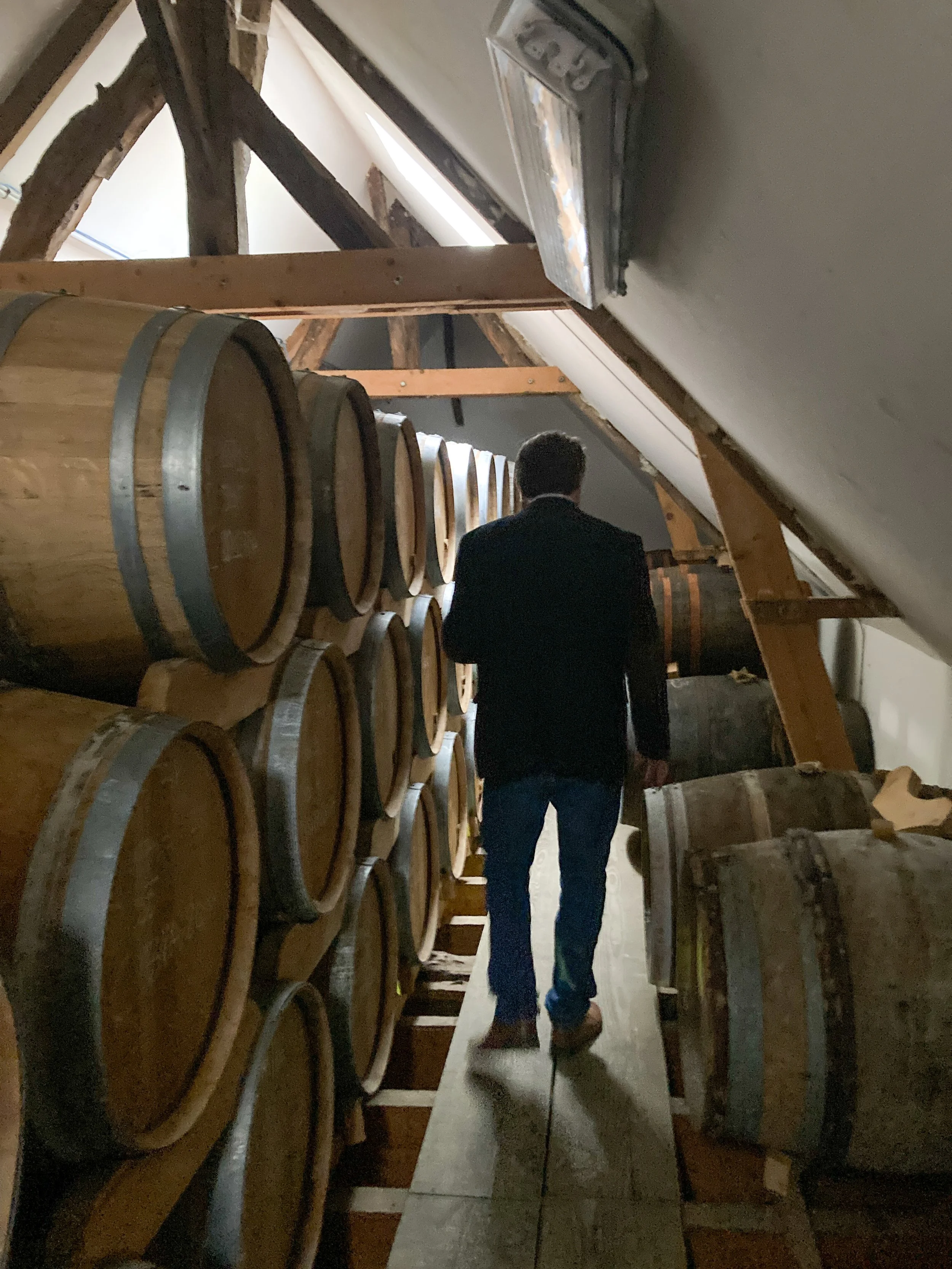
Well, firstly, any calvados is going to taste quite obviously of apples or pears. Pear based calvados are rarer, and tend to be a bit more simple when young, revealing their complexities with age. Apple based examples are more immediately enjoyable young, though they can also age gracefully.
The most revered AOP is surely ‘Calvados Pays d’Auge’. This is where some of the most famous producers are located. ‘Domfrontais’ is quite rare to spot, though it can be tremendously good: the high proportion of ‘haute-tige’ orchards, mandatory use of indigenous yeast, and extended fermentation and ageing time impose an approach oriented towards quality rather than volume.
As a general rule, the tradition states that the wood must have a restrained impact on the final product. The flavour must first and foremost remind of the base fruits. This is of course variable between the different producers, but generally this statement holds true.
Calvados, in my opinion, deserves to be known and enjoyed more outside of its native Normandie. It can offer tremendous value for age, and is a unique spirit. In theory it could be likened to American Applejack but, alas, I’ve never tried Applejack. There are a mix of some very traditional producers along with some who have a more modern approach. Here are my favourites:
Calvados Adrien Camut: The crème de la crème, in my humble opinion. They produce Calvados within the ‘Pays d’Auge’ AOP, and they’re damn good, starting with a 6yo, and also offering some much, MUCH older bottlings. They age their eaux-de-vies in rather large format barrels, thus encouraging oxygen contact and minimising oak influence on the distillate. Everything is bottled without obscuration or chill-filtration, at strengths close to 40%, but achieved through slow and meticulous reduction during ageing.
Calvados 5 Autels: Another one in the Pays d’Auge. Their Calvados are bright and fruity, and very enjoyable when young. They are also certified organic and make great ciders and apple juice. Good value bottlings.
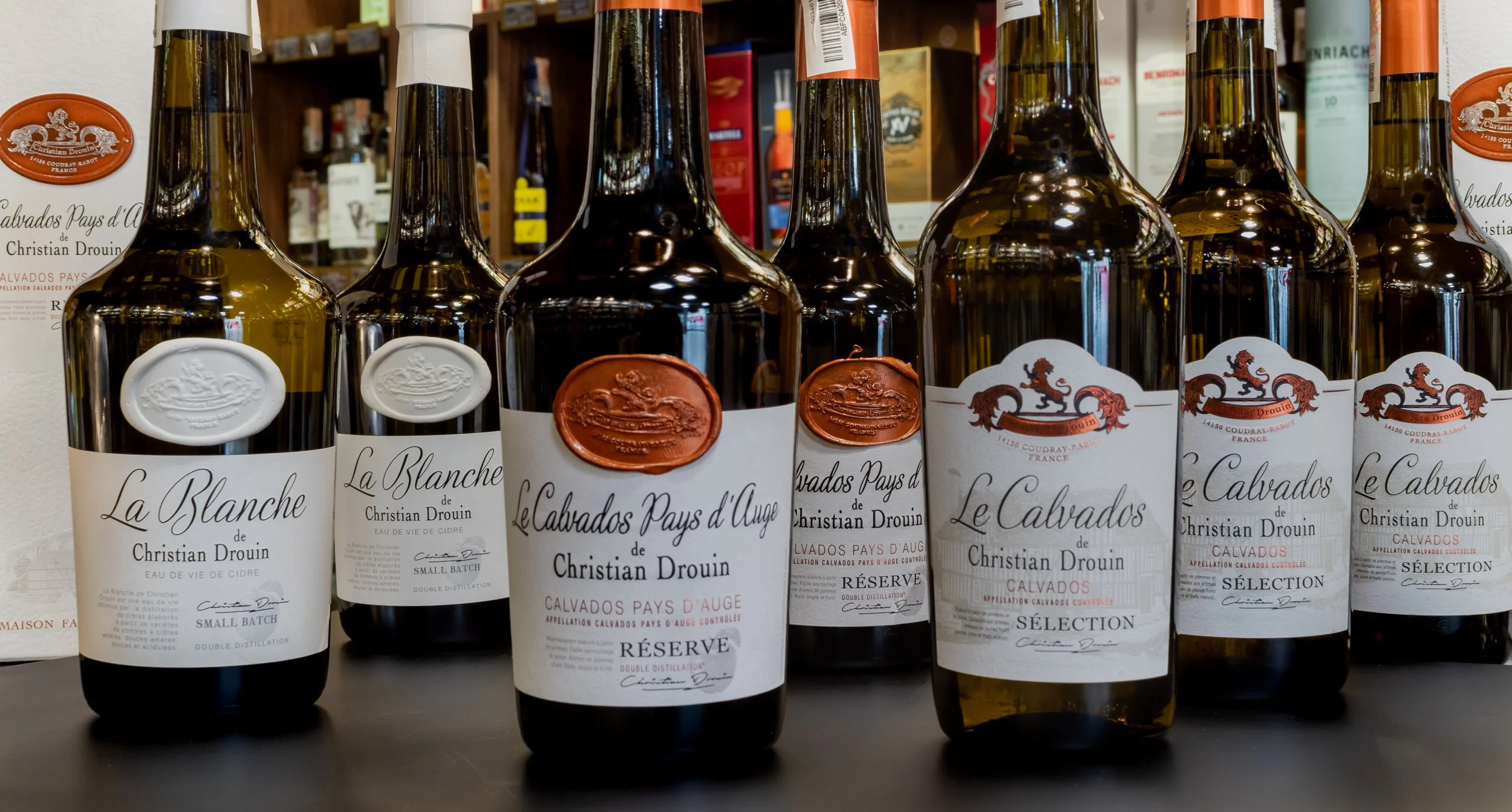
Christian Drouin: Perhaps one of the most famous producers, located in the heart of the Pays d’Auge, near Pont-l’Évêque. You might be able to source bottles more easily thanks to his ties with La Maison du Whisky. I do enjoy their more experimental bottlings like their ‘Angels series’ made in collaboration with other distilleries which send casks for the Calvados to be finished in, but sometimes the wood impact is a bit strong for my liking, including in the more traditional, vintage stated bottlings. Still, a great visit if you’re in the region.
Pacory / Ferme des Grimaux: One of the most famous Domfrontais producers. They offer a wide range of age statements, and some younger and higher ABV offerings too.
Comte Louis de Lauriston: a brand owned by Christian Drouin, focused on Domfrontais, including 100% pear bottlings. With a relatively global market presence as well, this might be your best chance of tasting Domfrontais if you’re not based in France.
There are other great producers of course, I don’t know all of them as my main focuses are whisky and wine. I would advise you to steer clear of big brands like Chateau du Breuil and Busnel, which are in my opinion not as quality oriented as those I mentioned.
It is also worth mentioning that pretty much all of these producers also produce cider, pear ciders and Pommeau de Normandie, an apéritif made by adding Calvados (which must be at least 1yo) to apple juice and ageing the mix for at least 1 year in wood, producing a fortified, sweet and complex apple juice. Delicious with a tarte tatin, or a classic Normand cheese like Camembert or Livarot. By the way - pro cheese tip: when buying a Camembert, make sure it is a ‘Camembert de Normandie AOP’, as that will guarantee the use of raw milk.
Chapter 2: Eaux-De-Vies; the real ‘water of life’.
Another lesser-known but historic spirit produced in France - and to be fair, in most places with access to fruits and stills - is fruit eaux-de-vie. Call them brandy, schnapps, goutte, gnôle, it’s all the same idea: capturing the essence of a fruit in distilled form.
The production of eaux-de-vie is also historically linked to wine producing regions, as distillers have always been needed for distilling the lees (the cloudy liquid left at the bottom of the tank - a mix of wine, yeast and grape particles, which is called a fine when distilled) or the pomace (which when distilled is called Marc in France or Grappa in Italy). During the off-season, these distillers, often itinerant, would make a living distilling fermented fruits. In France, this practice is still especially prominent in Alsace, thanks to the strong winemaking industry there and the proximity to Germany, another traditionally important brandy producer. There is also a celebrated brandy culture in Italy, particularly in the North of the country.
Production can differ depending on the fruit.
In the best-case scenario, you chose a fruit like prune, pear, or apricot. These have a high enough sugar content on their own, and importantly, these sugars are fermentable. You then just proceed by making a sort of fruit wine and distilling it as you would normally.
There are fruits with which you cannot do that, however. Raspberry for example, doesn’t have a high enough sugar content to be able to ferment reliably. What you have to do then is to macerate those fruits in neutral alcohol, and then redistill the result to obtain a clear eau-de-vie. This process is also helpful for producers seeking to make plant, spice or flower-flavoured brandies.
The stills used can vary tremendously depending on the regional traditions and the different producers, but there is a tendency to use bain-marie - hot water jacket/bath - as a heating method. It is said to be the most ‘gentle’ way of heating a still, thus preserving the fragile aromas of the base materials. I’m no distillation expert, but I like to learn about it; so if anyone has a detailed article about still-heating methods in fruit brandy production in Alsace during the winter of 1937, I’d love to see it!
There are some geographical indications (GI’s) recognised in France, like Eau-de-vie de Cidre de Bretagne, Quetsch d’Alsace or Kirsch de Fougerolles, but you’ll likely never spot them in the wild so I won’t bother you with those.
I personally love fruit brandies for their freshness and purity. I’m in Paris, and it’s quite a popular way to end a meal around here. My grandfather used to contract itinerant distillers to make some eau-de-vie back in the day. He still has two demijohns of pear and prune eau-de-vie distilled in 2008, and I regularly come to fill my own bottles from them, especially the pear, which is gorgeous.
On the digestive virtues of fruit brandies, research has shown no massive correlation, and I’m not one to invent my own medical or nutritional truths and serve them as fact, but let me share a story:
Around two years ago, with all my work colleagues, we went to Bourgogne for a few days to meet winemakers. One cold night, we bought enough cheese to feed an army, and proceeded to eat a fondue: stale bread dipped into Swiss cheese (as in cheese from Switzerland, not the American abomination) melted with white wine. We were pretty full and couldn’t eat anything more, but we had also planned a raclette. Yes, the fondue was just a starter. Yes we are mad. Anyway, eating more melted cheese on top of potatoes seemed impossible. Yet, after a game of cards and a sip of ‘pear from pops’, we devoured the raclette and had some space left for dessert. A magical feat indeed.
Ageing fruit brandies is relatively rare, but it can happen, especially when they’re made with prune. ‘Vieille prune’ can refer to a prune eau-de-vie aged in wood or in inert containers. It is said that like white rum or pisco, ageing in inert containers - whilst it doesn’t add any flavour - can round out the alcohol sensation. Most high-quality producers will ‘age’ all of their brandies in demi johns for a few months and sometimes up to a few years.
Marcs/Grappa and wine based clear (or sometimes aged) brandies do exist, but I’m not overly familiar with them as it is not something I usually enjoy drinking that much. There are some which are truly worth checking though, so do try them if you happen across them.
Here are some brandy / Eau-de-vie producers which I particularly enjoy:
Gianni Capovilla: Our Italian Dramface resident Hughie can attest, Old grandpa Gianni does it best. His fruit brandies are simply stunning due to an impressive knowledge in distillation and, according to the man himself, most importantly a drastic fruit selection. Bottles are pricey, but once you try them, you can’t go back.
Metté: A famous Alsatian producer. Quite high quality as well. They produce a wide - and I mean wide - range of eaux-de-vie, including spices, flowers and herbs: bear garlic or turmeric brandy anyone? But I do tend to enjoy the classics more: raspberry, pear, and even the Marc de Gewurztraminer.
Brana: Probably the best French eau-de-vie producer, with stunningly preserved freshness, but quite expensive unfortunately. You need to try them though, especially the raspberry and the Clémentine de Corse.
Christian Drouin: More famous for their Calvados obviously, but they do produce a clear apple brandy, called La Blanche - Amphora, bottled at 60%, which is extremely tasty.
Pircher: A lesser-known distiller, based in Northern Italy in the Alto Adige, producing some very tasty and quite affordable fruit eaux-de-vie.
Hagmeyer: Another classic Alsatian producer, usually good value.
Chapter 3: Liqueurs and Crèmes; for those of a sweet tooth.
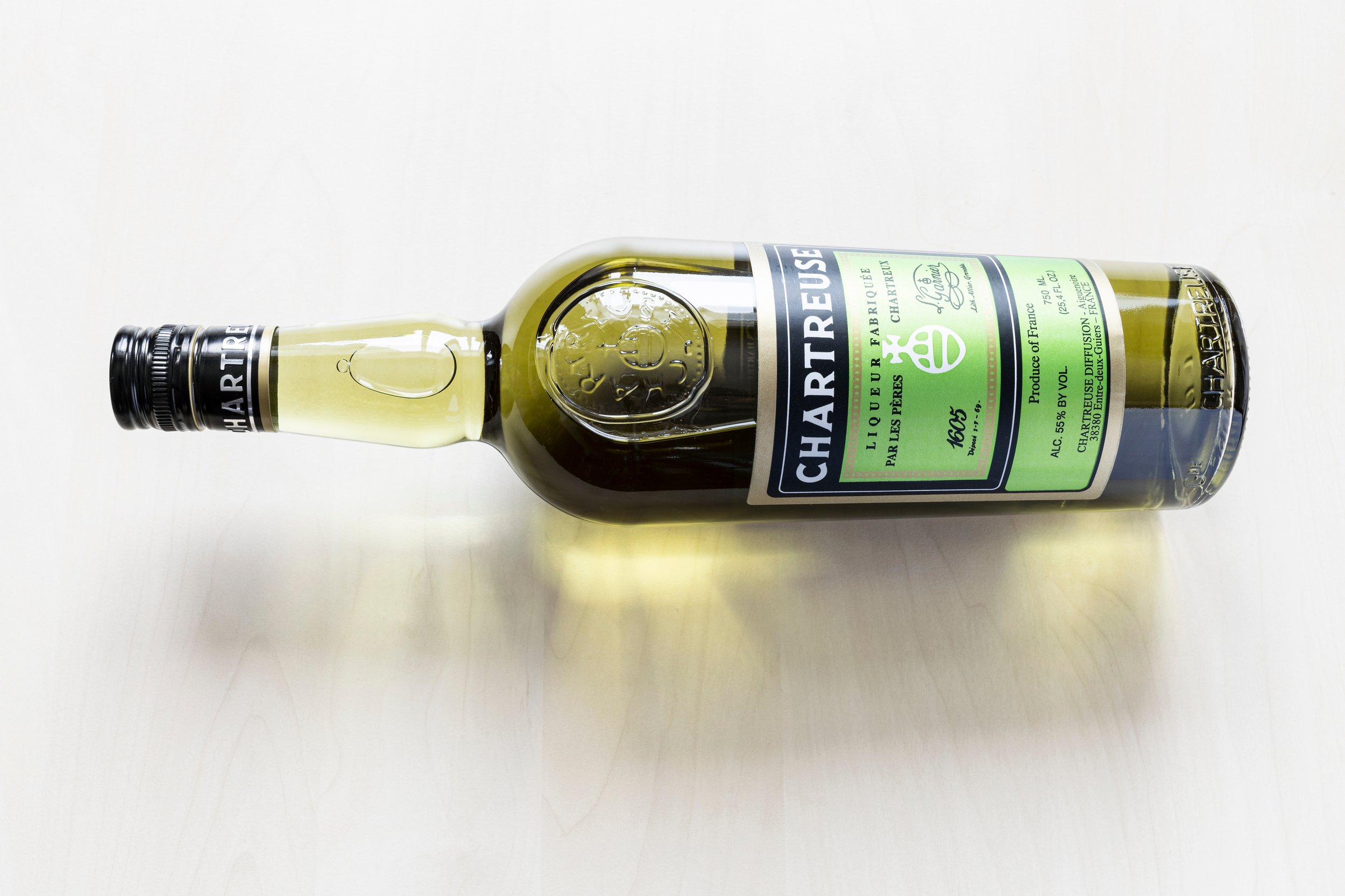
Liqueurs are making a comeback, and I’m all for it. For the longest time, liqueurs had to be cheap, and were solely destined to appear in cocktails. Not unlike rum, the cocktail renaissance of the early 2000s has skyrocketed the popularity of a few quality brands, and now, at least in France, basically every new, craft distillery produces at least one. Liqueurs are no longer a grandma’s drink or a neon blue ingredient for night club cocktails.
We (the French) are a people with a lot of history of making and drinking liqueurs. Back when distilled alcohol wasn’t of the best quality, a few centuries ago, flavouring and sweetening it surely made it more palatable. Herbal liqueurs were also often presented as a cure-all medicine rather than a tipple, their growing popularity helping in transforming their mode of consumption. A lot of brands which are still around today gained public appraisal a while ago, especially during the 19th century. Think of brands like Chartreuse, Cointreau, Giffard, Combier and Grand Marnier.
You might at some point have wondered what the difference between a ‘crème’ and a ‘liqueur’ was. Simply put, it’s the sugar content. Liqueurs contain between 100 and 250 grams of sugar per litre, while crèmes contain a minimum of 250g/L. Crème de cassis (blackcurrant) must legally contain upwards of 450g/L of sugar.
There are different, unofficial ‘families’ of liqueurs:
Fruit / floral liqueurs: This is what many will think of first; Crème de cassis, Chambord (raspberry), Saint Germain (Elderflower), crème de mûre (blackberry), Limoncello (lemon), Violet liqueur... The possibilities are only limited by the distillers’ imagination. They tend to be a little one dimensional, as only based around one or two fruits steeped in neutral alcohol, but are delicious when well made.
Herbal liqueurs: The champion in this category is undeniably the famous Chartreuse, the ‘queen of liqueurs’ as we call it here in ‘Frankreich’. There are a lot of good ones, from the craft versions to the ubiquitous Bénédictine, which is sweetened with honey.
Bitter liqueurs: I made up this category to include a few different things: Italian bitters (think Campari), Italian amari (Montenegro, Nonino…), French gentian liqueurs (Suze, Salers…). If you like bitterness, this is where you want to look.
Orange liqueurs: There are a few types of orange liqueurs and they’re really their own thing. If you’ve ever wondered what the hell a ‘triple sec’ or a ‘curaçao’ was, it’s basically an orange liqueur. Triple secs tend to be based on neutral alcohol, thus a bit brighter in taste (Cointreau, Combier…), while historically Curaçaos are based on brandy like Cognac or Armagnac (Pierre Ferrand Dry, Grand Marnier…). They’re popular for their use in cocktails such as the Margarita or the Mai Tai, but some do taste great on their own.
Other liqueurs: One can make a liqueur with pretty much anything these days. Just steep your ingredients in any alcohol you like, optionally distil them, add water and some form of sweetener, and voilà! There are the spice liqueurs used in Tiki cocktails like Falernum or Allspice dram, Chocolate liqueurs… I personally love the walnut and fennel liqueurs from the Denoix distillery, and I’ve even come across Roquefort cheese and baguette liqueurs, or a cream liqueur made with goat’s milk! Anything goes…
A few quality producers - definitely a non-exhaustive list:
Gabriel Boudier: An ancient producer based in Dijon, Bourgogne, they produce a lot of fruit liqueurs and make the best crème de cassis. Hands down.
Chartreuse: The Springbank of the liqueur world. Specialised only in herbal liqueurs, with some recipes said to date from the 17th century.
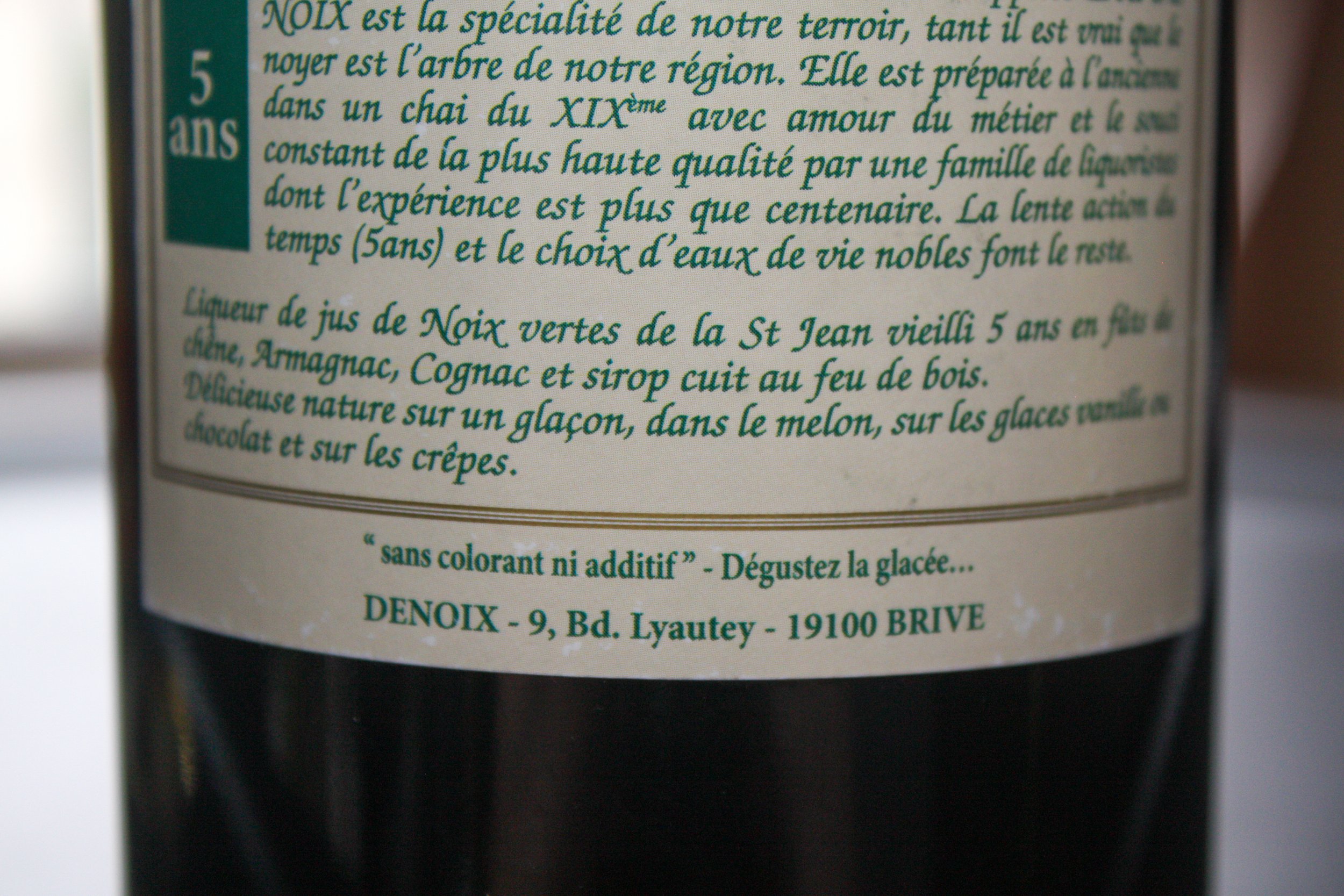
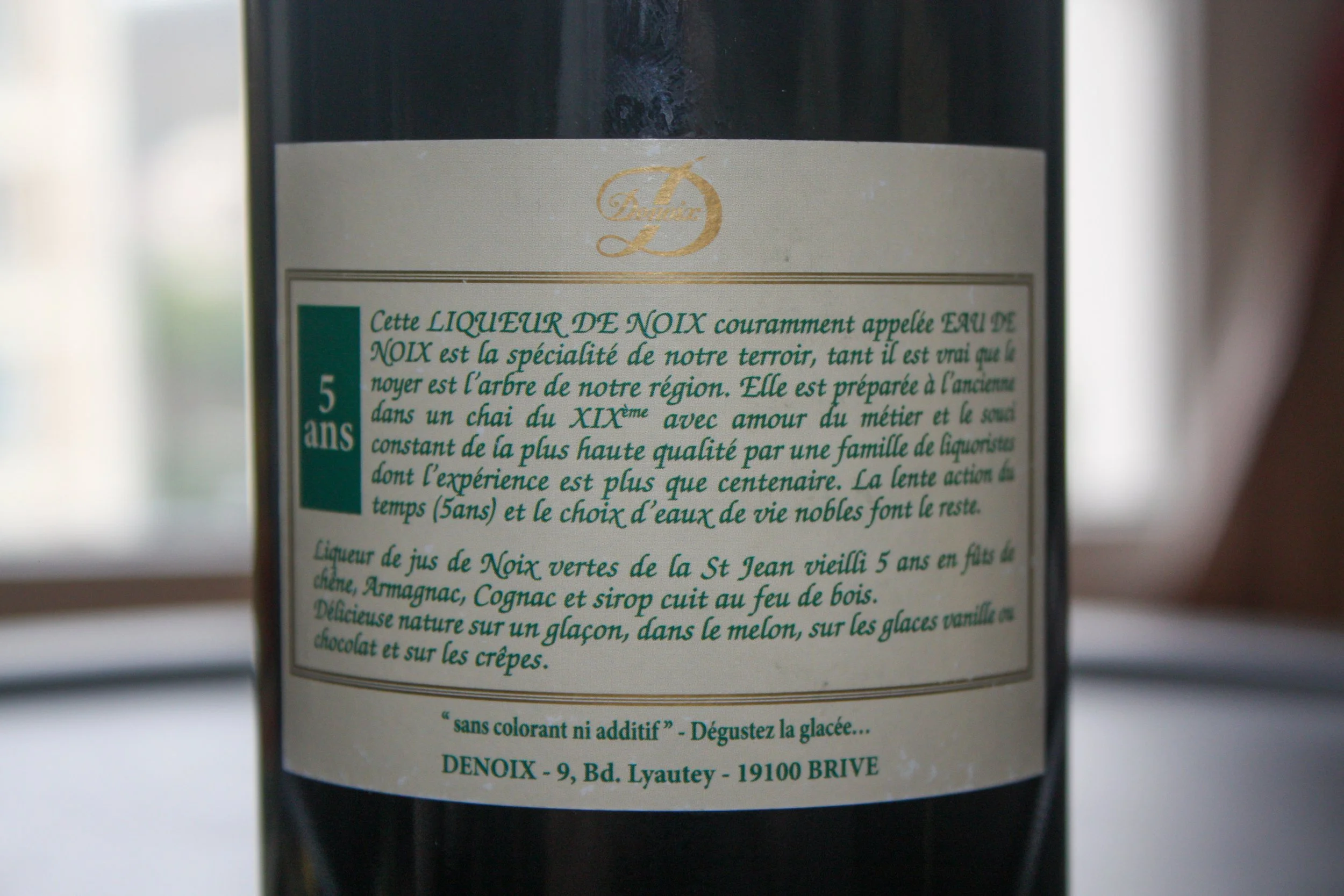
Denoix: A lesser-known producer based in Brive-la-Gaillarde, a town known only to rugby fans, which I love dearly for their very traditional approach to things and unusual and complex liqueurs. Owned by the same family since the creation in the late 1800’s.
Grosperrin : You might remember them from the Cognac & Armagnac feature. They also produce an absurdly good orange liqueur.
Chapter 4: Japanese Shochu; when you take flavour exploration seriously.
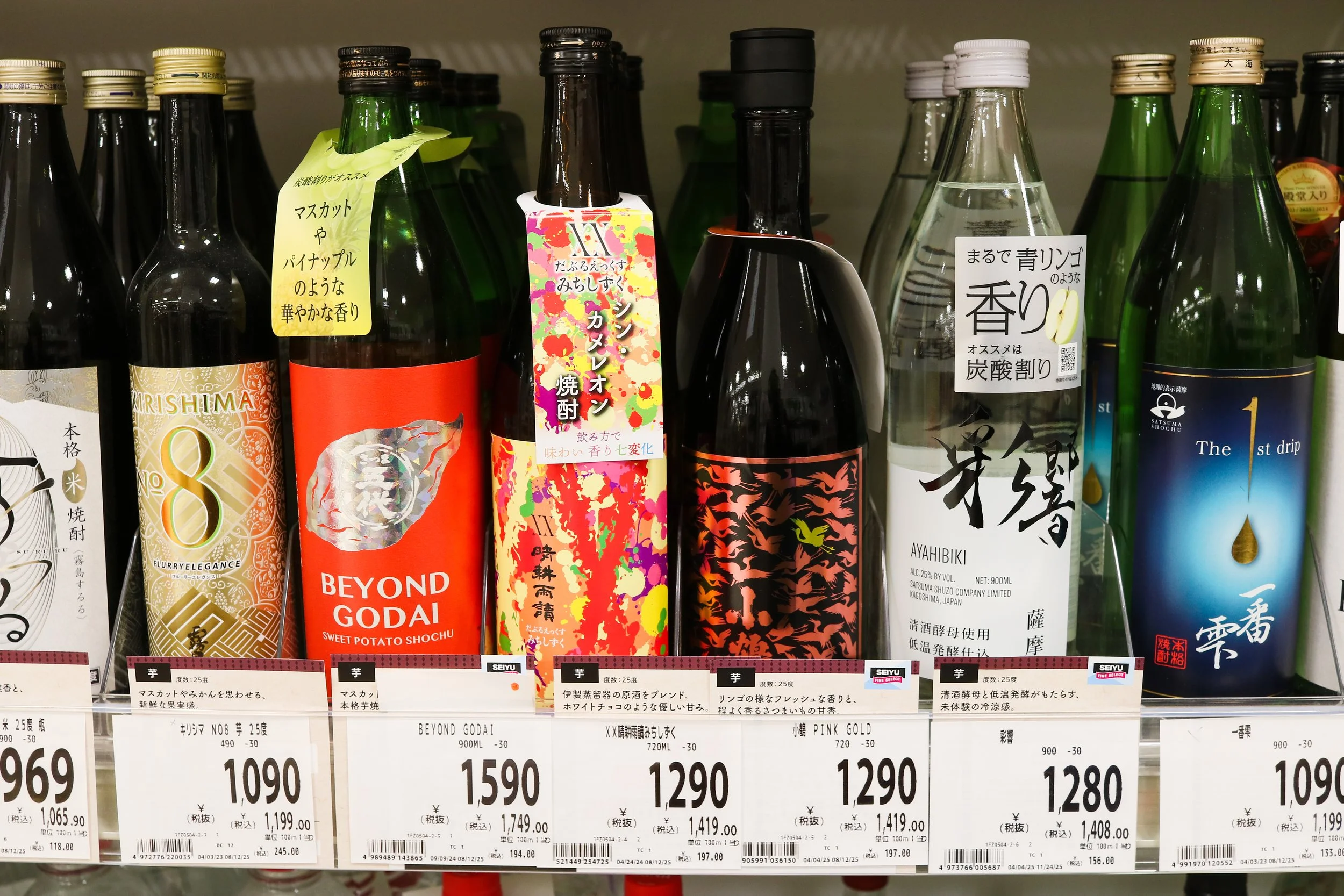
Now, this could be a beverage that some here may never have heard of.
I’m by no means an expert on it, but I still think it’s quite interesting to try when stumbling upon good ones. Shochu is traditionally made in the Southern part of Japan, and refers to basically anything that’s distilled. The Koreans have Baiju, the Chinese Soju, which are quite similar on paper, but having never tried those, I won't mention them further.
Shochu appeared in the South of Japan due to a necessity: conservation of food. The climate in Southern Japan can be quite tropical, thus making it harder to preserve crops and food than in the more temperate part of the country. Specifically, sweet potatoes. That’s right, we’re talking about sweet potato booze, though you can find Shochus made with loads of different ingredients, such as rice, fruits or even barley. Distillation naturally evolved as a way to avoid waste.
The first particularity of Shochu is its fermentation. Koji, the local fungi used notably in sake production, is used to convert the starch in the base ingredients into fermentable sugars. that also gives a unique, often umami signature to the final spirit. For example, barley based Shochu will taste wildly different from any malt whisky you can think of.
Secondly, it is more often than not distilled in a pot still, but in a single pass, producing a spirit that’s at most around 50% ABV. That spirit is almost always reduced to a drinking strength of around 25 to 35%. That’s right, it’s quite low. But it can still be tasty. In fact, I’ve been able to try Shochus made by the same distilleries, some bottled at ‘high’ strength for the European market, and some at 25% - and most of the time, I preferred the lower bottling strength examples. Those that are good quality are not chill filtered, so they retain aromatic intensity and precision in spite of a drinking strength that is certainly unusual to the average whisky drinker. Over in Japan, Shochu is rarely consumed neat, rather drunk in highballs with water, seltzer or even fruit juices, over the course of a meal. The lower bottling strength is explained this way, allowing for an easier pairing with delicate Japanese cuisine.
Lastly, Shochu aged in wooden barrels is still very much a novelty. Some are even marketed as whisky! Traditional Shochu is often matured, but not unlike European fruit Eaux-de-vie, the vessels used are traditionally inert: Enamel tanks, stainless steel, clay amphoras etc.
It’s a category of spirits which is rather new to me, and thus I won’t dwell on it as much, but let me encourage you to give it a try if you do come across it.
Reviews
Final considerations before some tasting notes:
Congratulations, you’ve made it to the end of the final malternatives instalment!
I hope these have been useful, or at least interesting, and I tried hard to make sure that no mistakes made their way into them. They’ll remain here on Dramface for your future reference.
This last one was, as I mentioned at the beginning, perhaps not as in-depth as the previous two, but I wrote it more as an eye opener than a real technical ‘cheat sheet’.
There are countless other spirits and drinks I could have talked about: Mezcal, Tequila & Raicillia, Sotol, Absinthe & Pastis, Grappa, Gin, Pisco… The list goes on. Alas, all good things must come to an end, and as said previously, I don’t feel knowledgeable or confident enough to speak about those. Yet. I do enjoy an Absinthe from time to time though!
There’ll be no interview this time around. I toyed with the idea of having a few, but couldn’t find a single angle that satisfied me. I hope you’ll forgive such laziness.
I’ll leave you for now, but not before giving you the obligatory handful of tasting notes. Take these with a grain of salt: I’m far more comfortable analytically tasting whisky, so don’t be surprised if these appear a bit more succinct, or not as precise, as my usual tasting notes.
Same considerations regarding the scores: I enjoy all of these bottles, and the scores reflect my level of enjoyment rather than the objective qualities of the liquid. This is true of any review on this website, but even more so here. Think of these tasting notes as my reward for finishing this feature series.
Review 1/6: Calvados
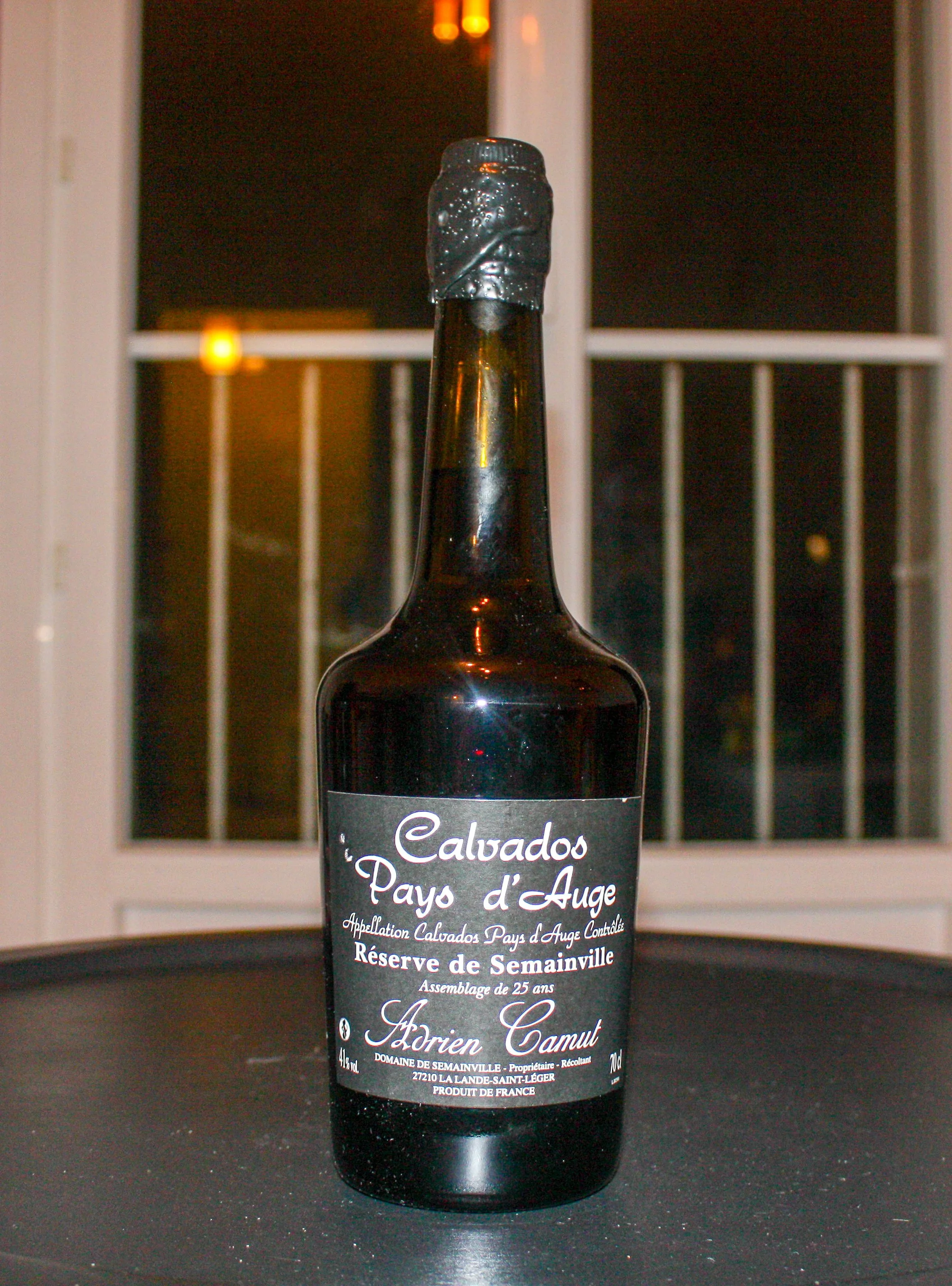
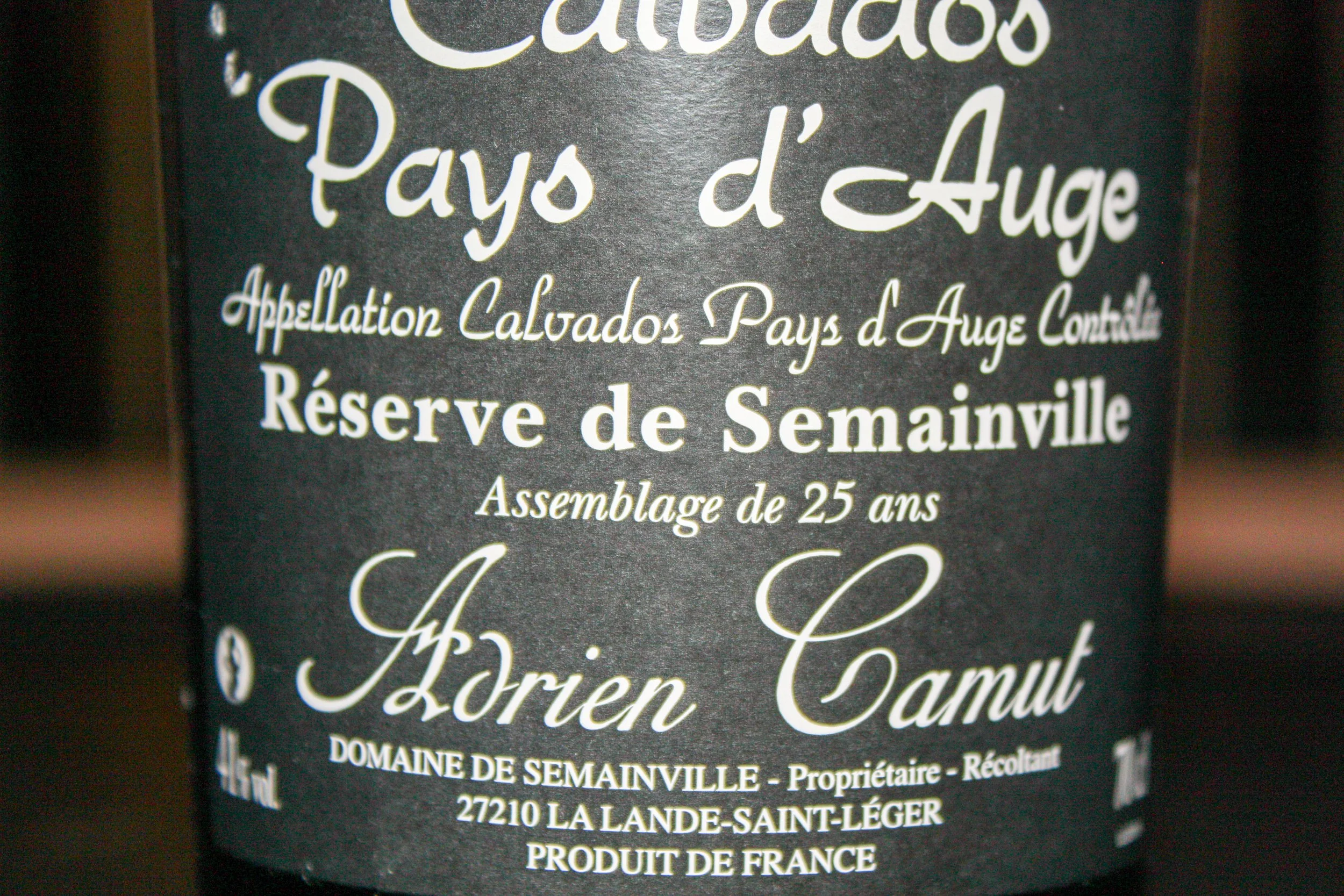
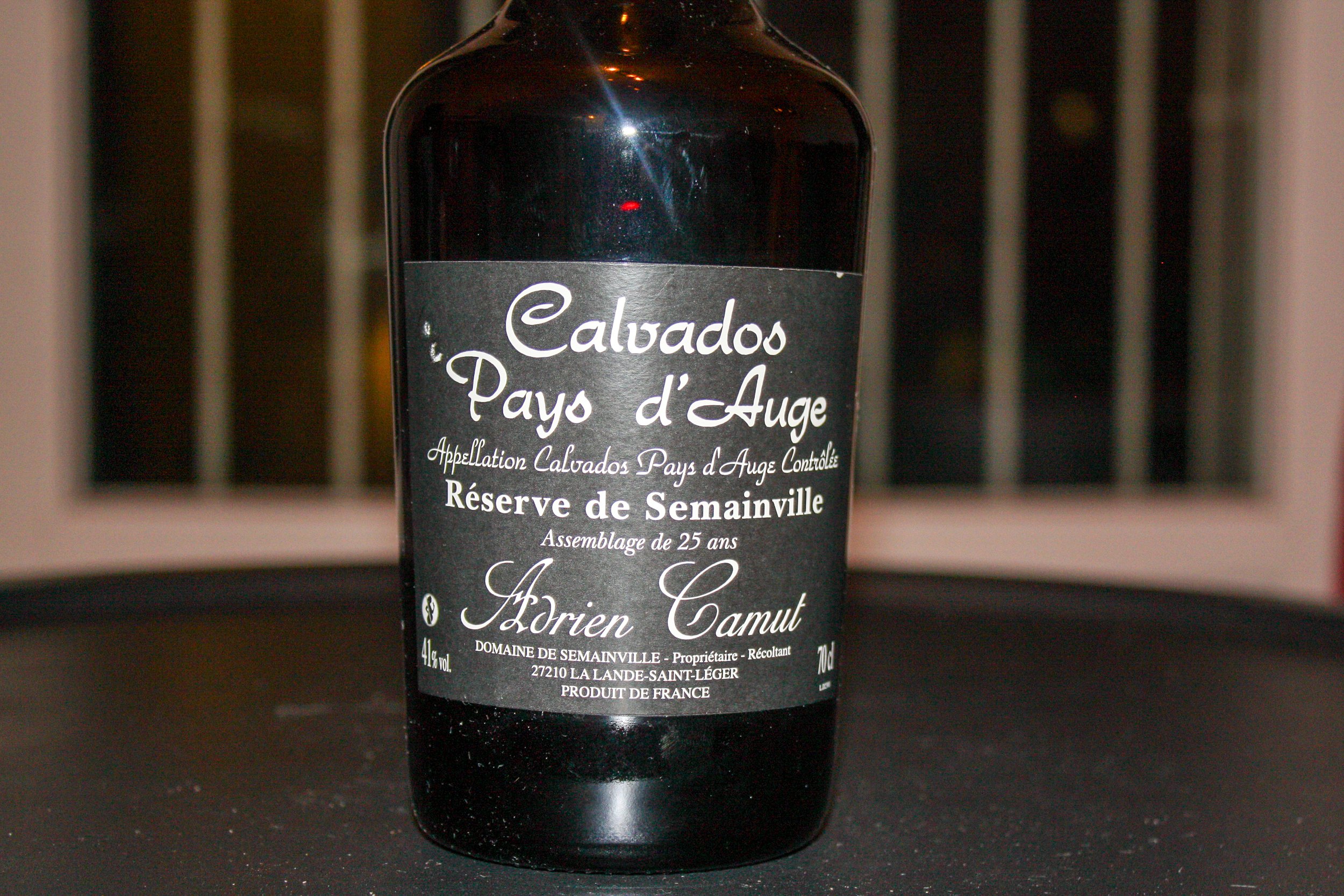
Adrien Camut, Réserve de Semainville 25 ans, Calvados Pays d’Auge, 41% ABV
£128 paid, small batch, spotty availability
This is one of the higher age statements produced by the house Adrien Camut. As mentioned earlier, they probably are amongst the most highly regarded Calvados producers. Don’t let the low bottling strength fool you, this hasn’t been fiddled with.
Score: 8/10
Something special.
TL;DR
This is what wise people drink. Exceptional, venerable, old spirit
Nose
Cider apples, tarte tatin, noble balsamic vinegar. Farmyard-y. Driftwood. Some hints of dried flowers as well. It really smells old and refined, yet still unmistakably showcases apples at the core. Dunnage warehouse.
Palate
Delicate, refined, elegantly salty. Craft funky cider, farmyard, soft wood spices. The spicy notes carry onto the finish.
The Dregs
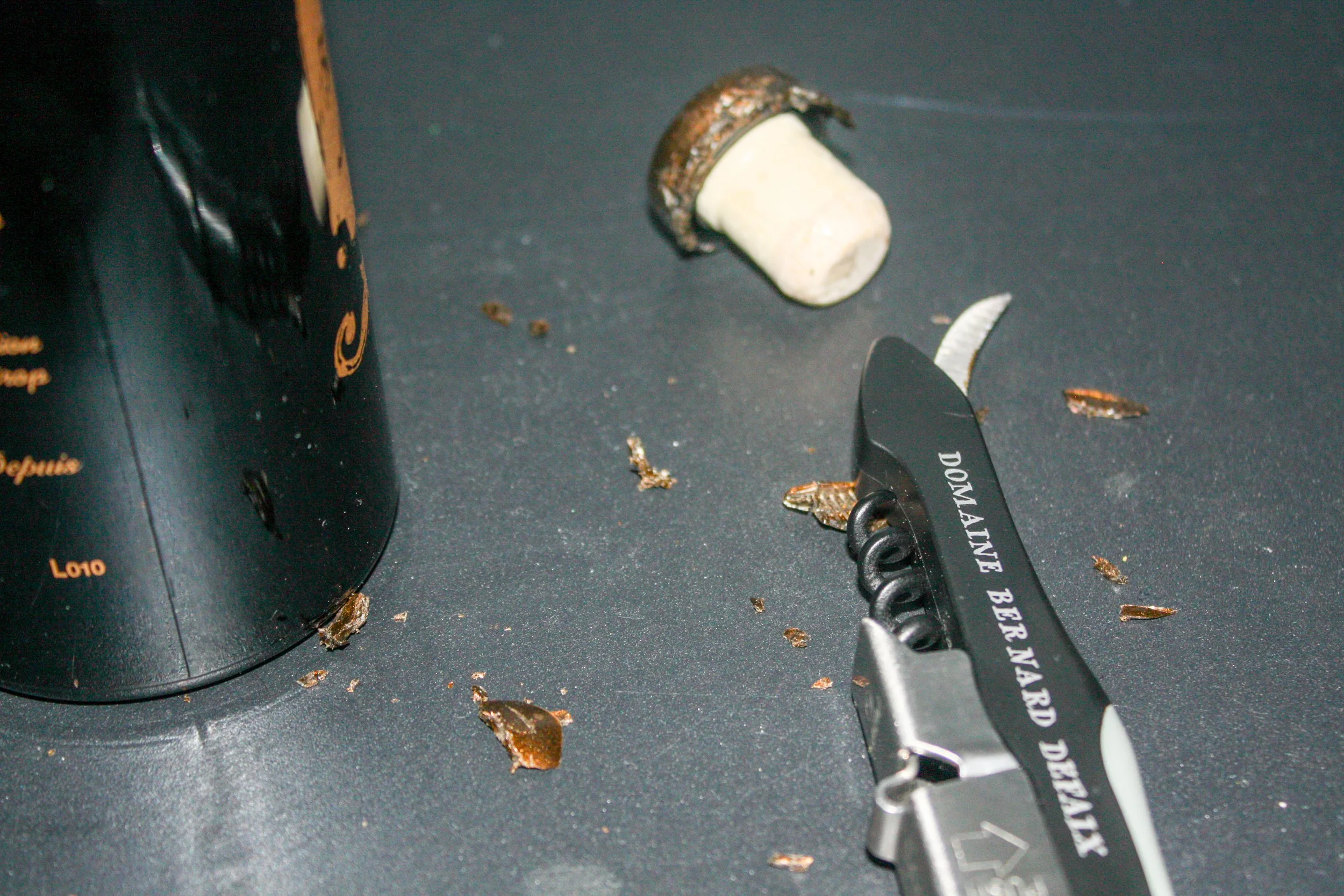
Don’t let my notes underplay the perfectness of this venerable old spirit. It is of exceptional quality.
Score: 8/10
Review 2/6: Shochu
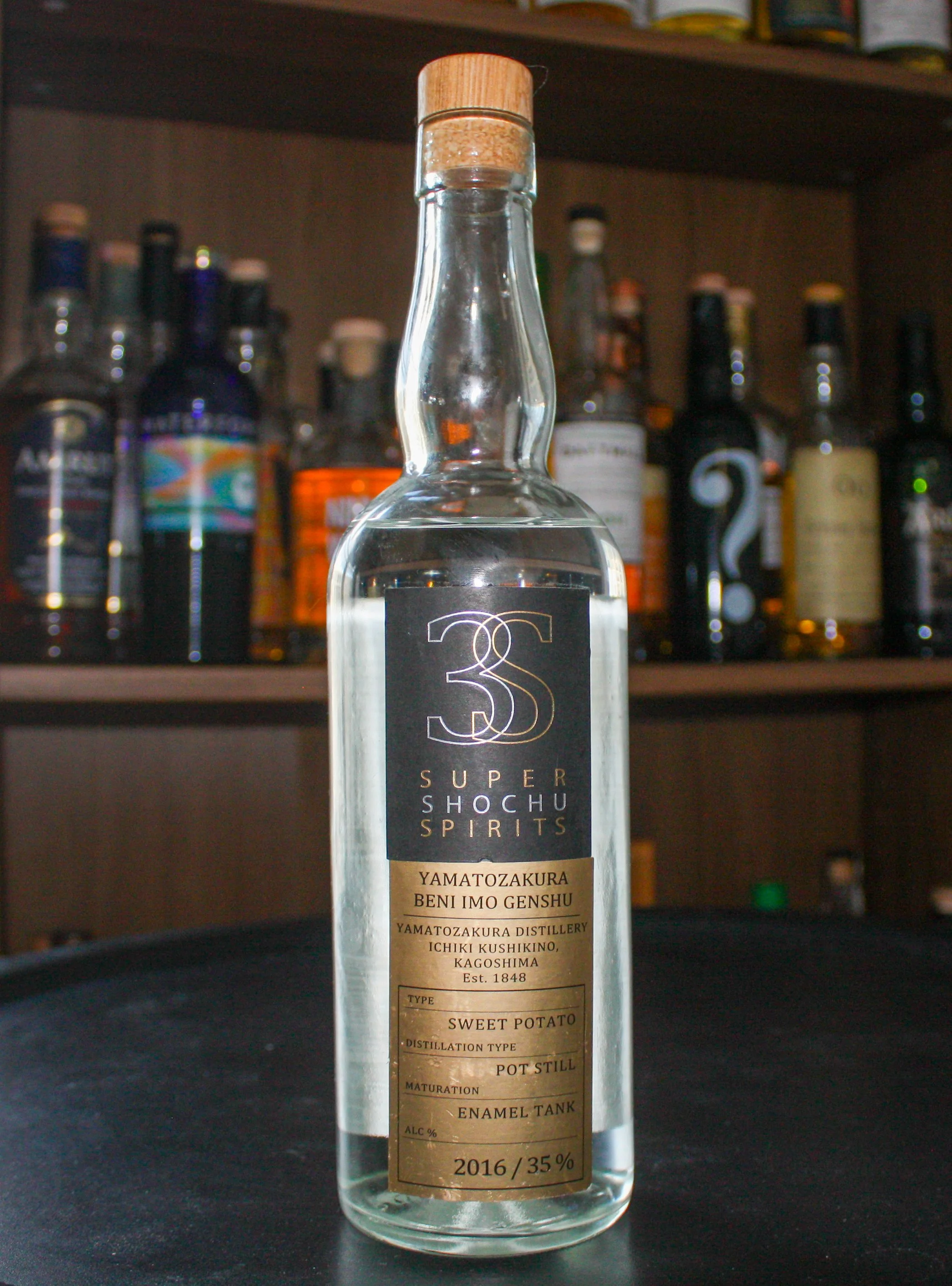
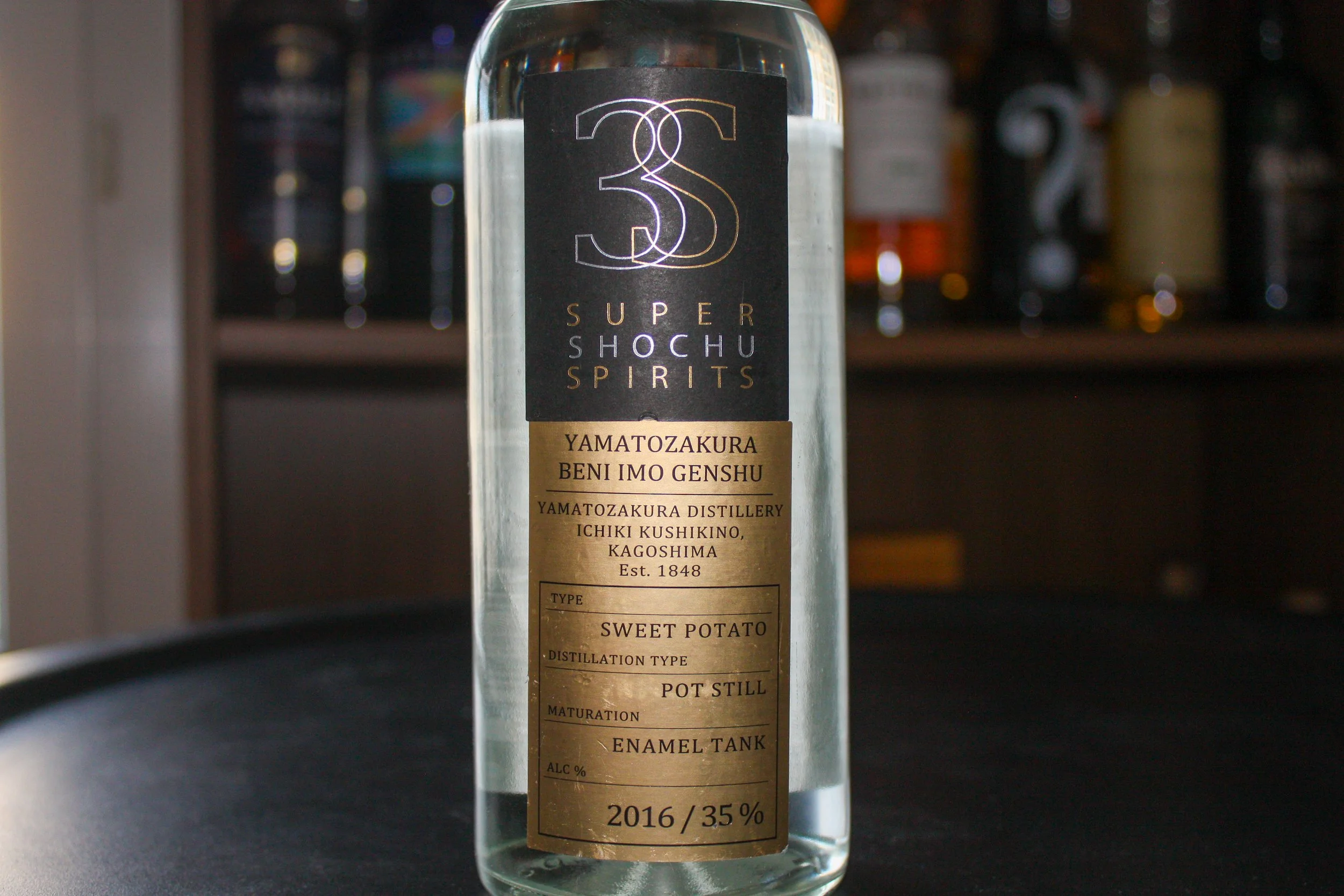
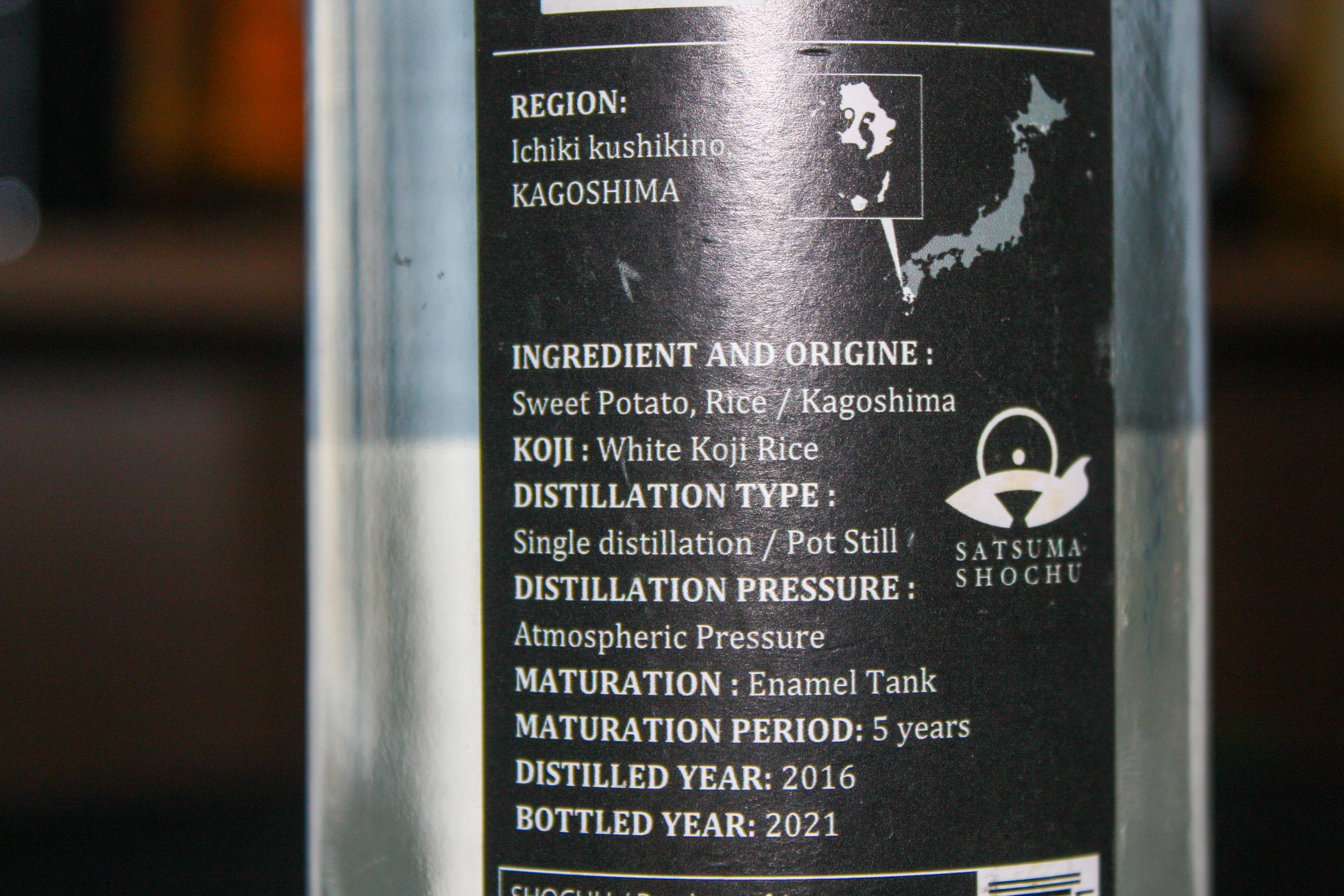
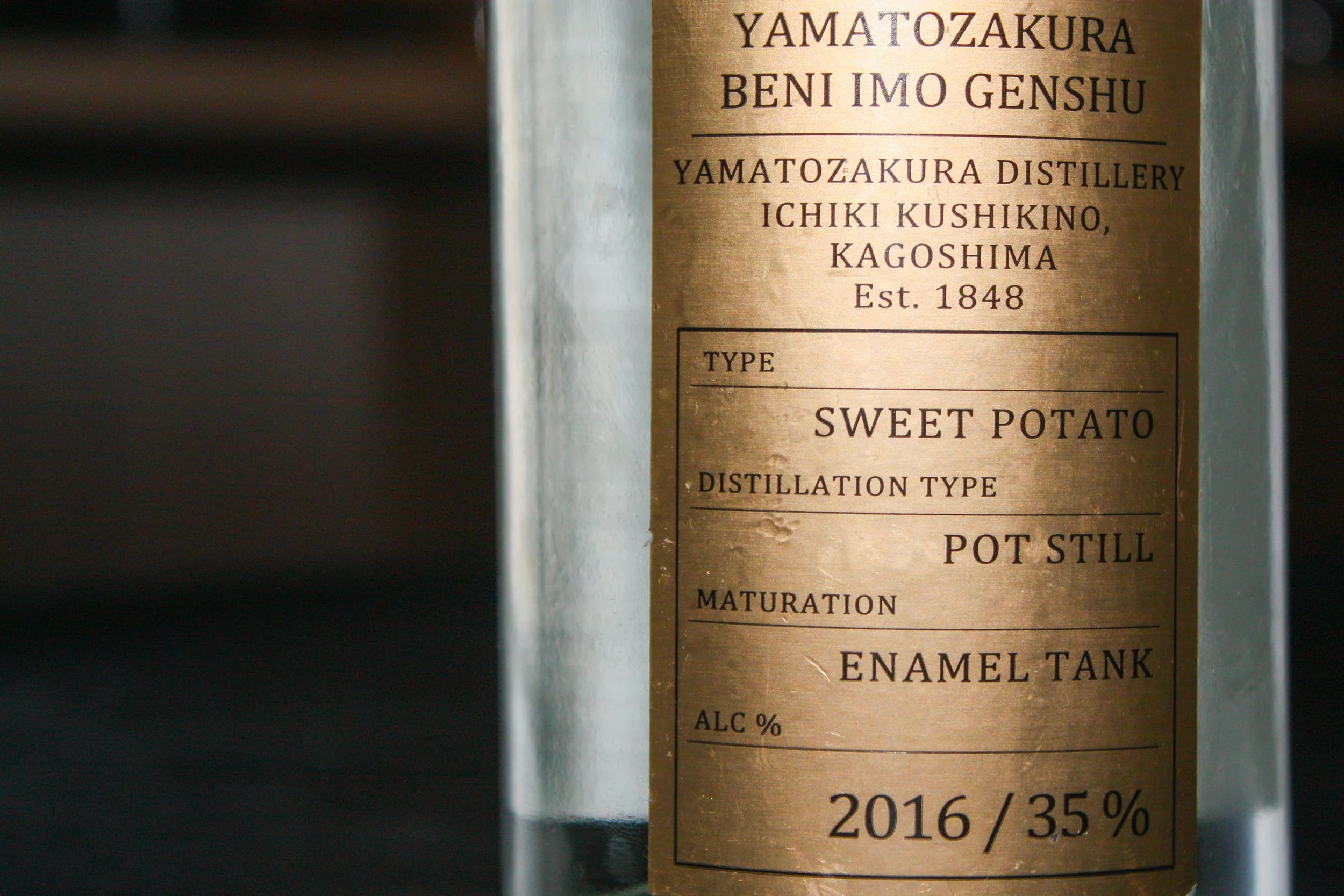
Beni Imo Genshu, Yamatozakura Distillery, bottled by 3S, Japanese Shochu, Sweet Potato based, distilled 2016, bottled 2021, matured in enamel tank, single pot distillation at atmospheric pressure, 35% ABV
Small batch, spotty availability
A sweet potato-based Shochu, produced by the Yamatozakura distillery in Southern Japan. The 35% bottling strength and independent bottler level of detail on the label is typical of a product destined for export, domestic products tend to be bottled at 25%.
Score: 7/10
Very good indeed.
TL;DR
Weird but yummy. Unlike anything we’re accustomed to in the West
Nose
Grassy and creamy. Roasted veggies. Black pepper sauce. Broccoli. Turmeric, paprika. Bouillon cubes and rye bread.
Palate
Quite oily and powerful considering the ABV. Again, creamy, grassy and vegetal. Celery and yoghurt. Rye spices and turmeric.
The Dregs
Well, if you need a change of pace, this is certainly for you! It is unique, complex, and unlike anything that we’re accustomed to in the Western world. A great bottle, representing an exciting category of spirits.
Score: 7/10
Review 3/6: Chartreuse
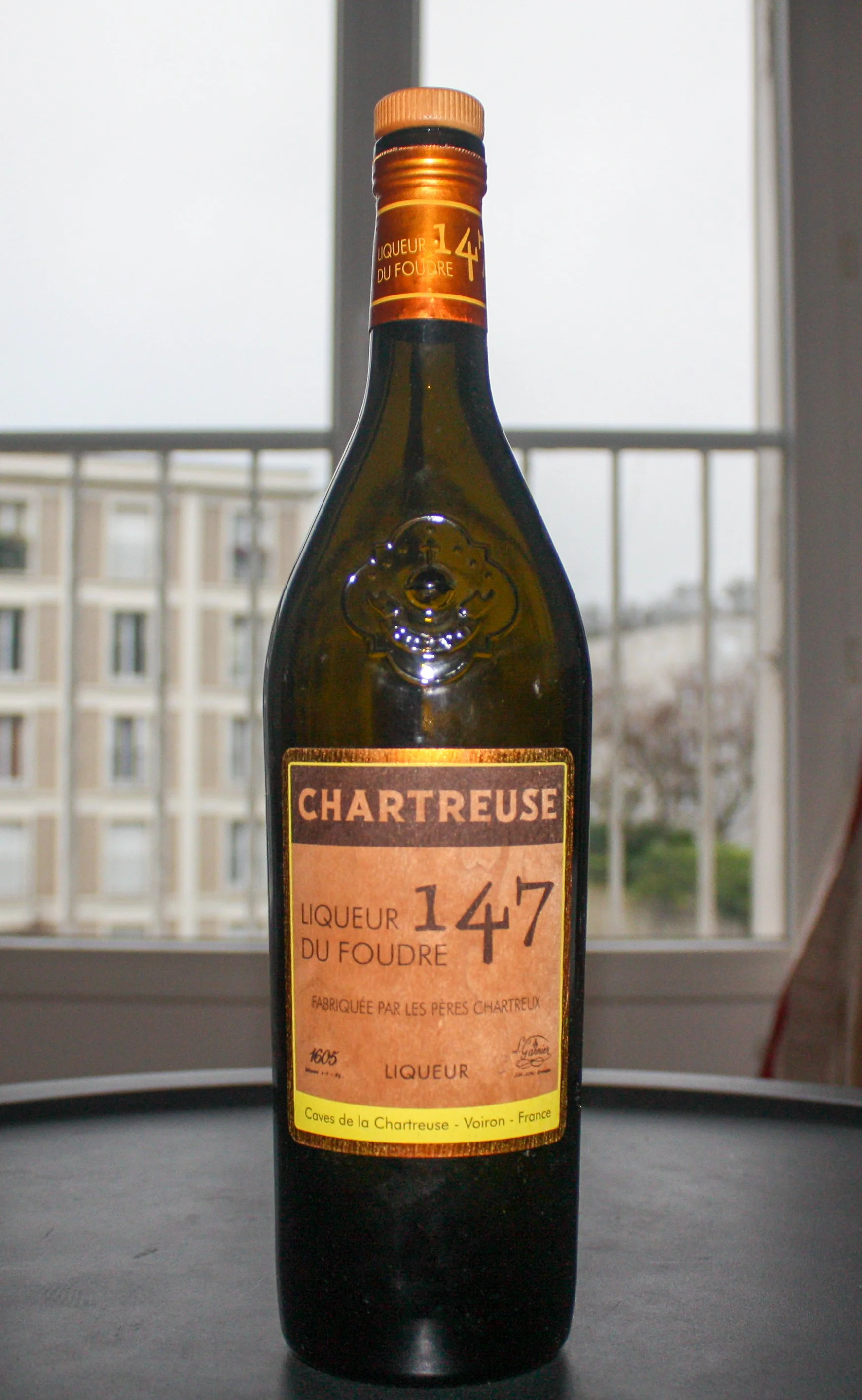
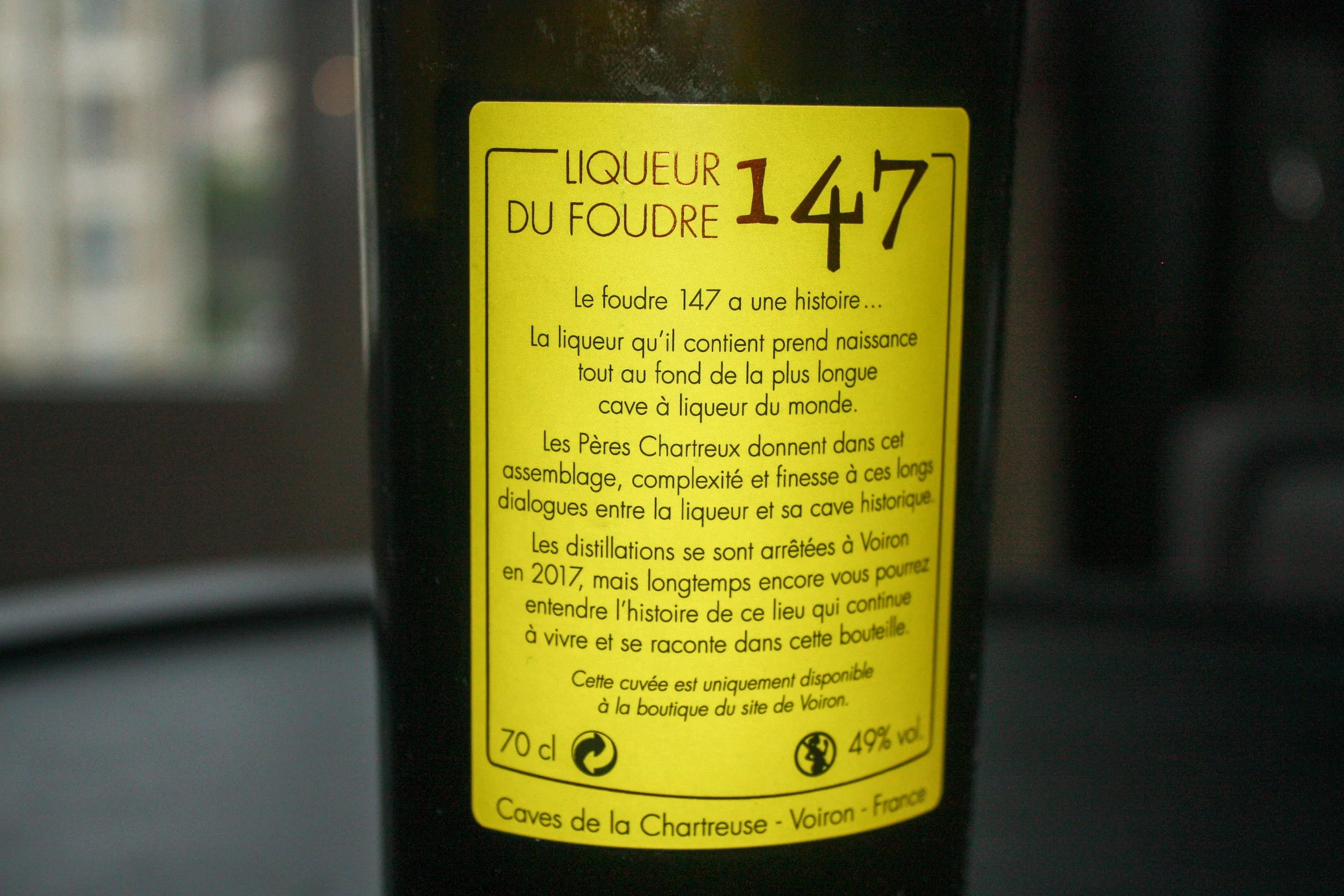
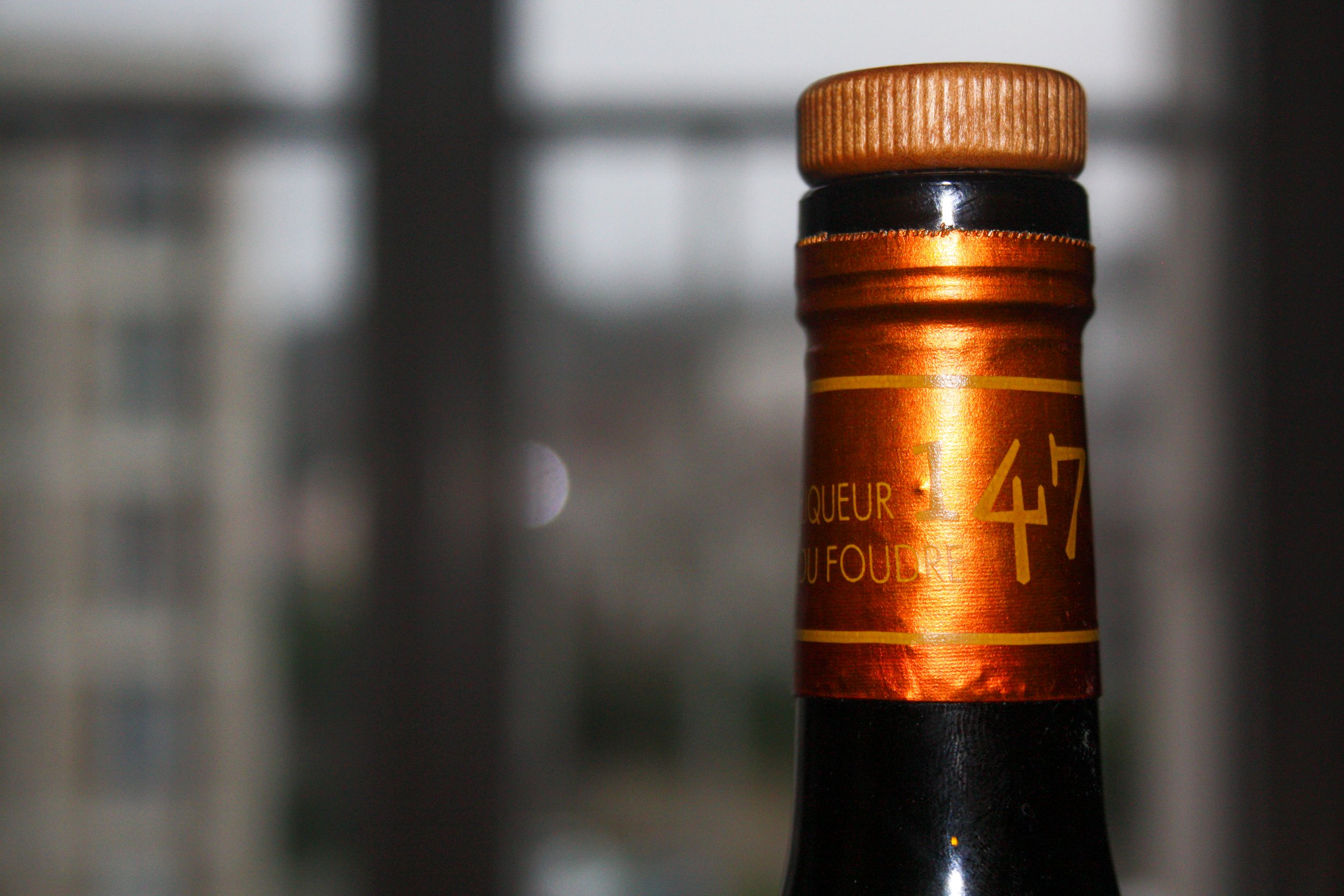
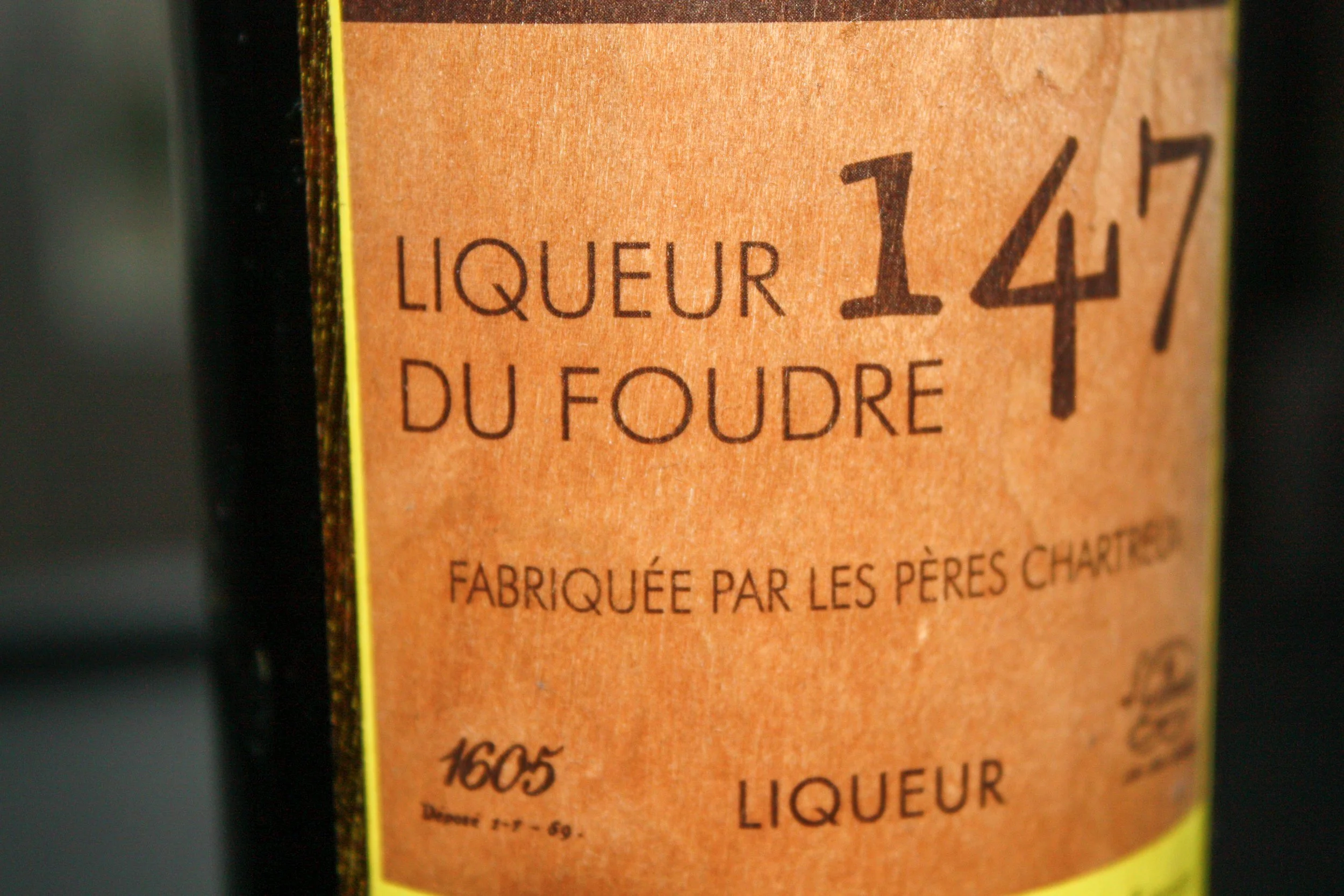
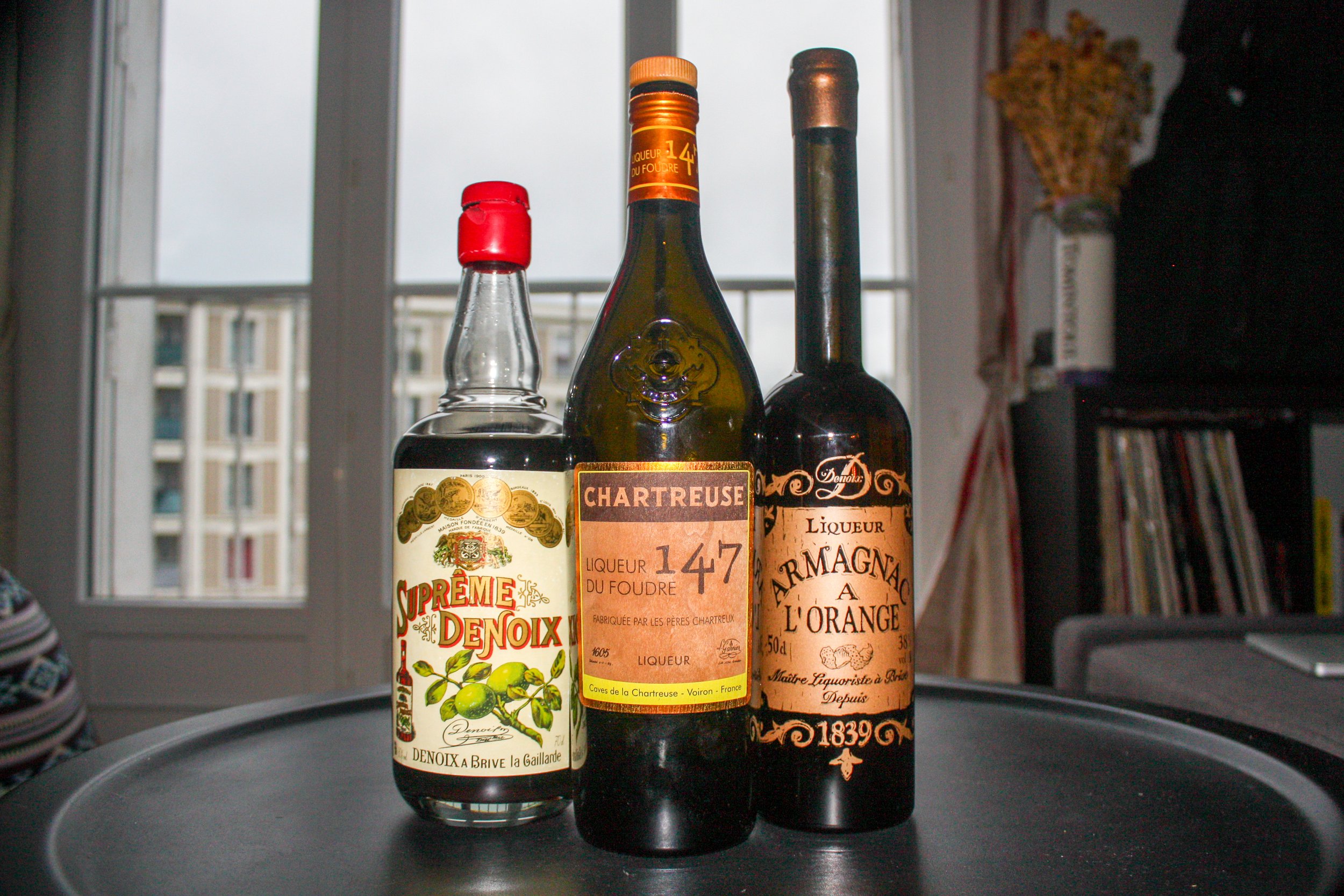
Chartreuse Liqueur du foudre 147, 49% ABV
€70-ish, (I think!) Only available at the Chartreuse shop in Voiron
A bottling only available in Voiron at the Chartreuse visitor centre, where they distilled until 2017. It is said to come from the foudre numbered 147, hence the name. A foudre is really just a big cask, at least 1000 Litres, but often much more.
Score: 8/10
Something special.
TL;DR
Like the liqueur version of a Springbank Cage bottle
Nose
Herbal, menthol, fresh herbs of all kinds. A little medicinal but not too much. Honeyed sweetness. Some floral hints as well.
Palate
Good body, and despite the sugar level, it feels rather dry and herbal. There is a very pleasant vegetal bitterness throughout the tasting, and it feels rounded out by ageing, with a slightly woody backbone.
The Dregs
Who said ageing was reserved for whisky, brandies and rums? While the oak influence is light, it feels like a more polished, rounded out experience compared to the classic Chartreuse bottlings.
Score: 8/10
Review 4/6: Chartreuse
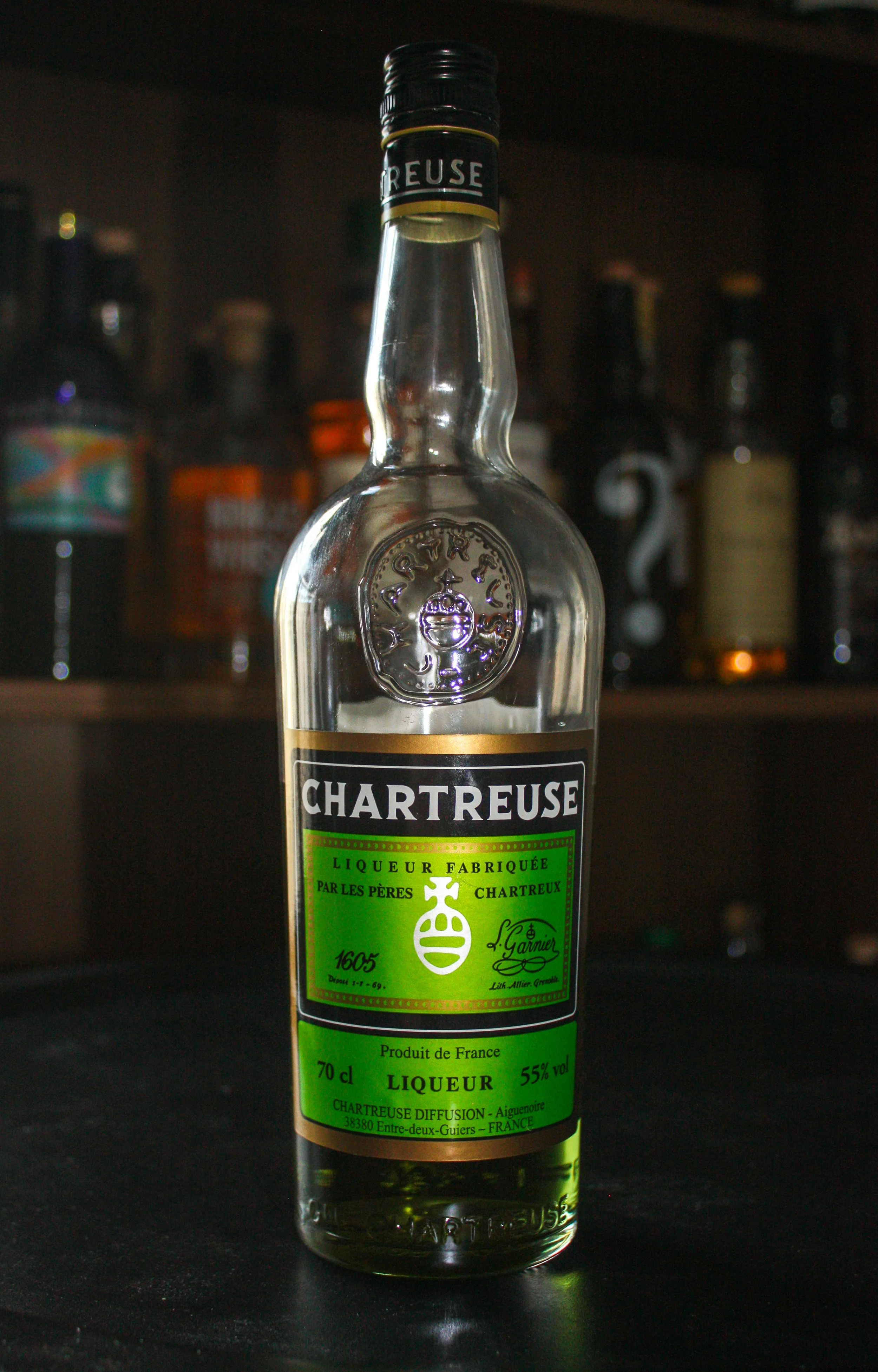
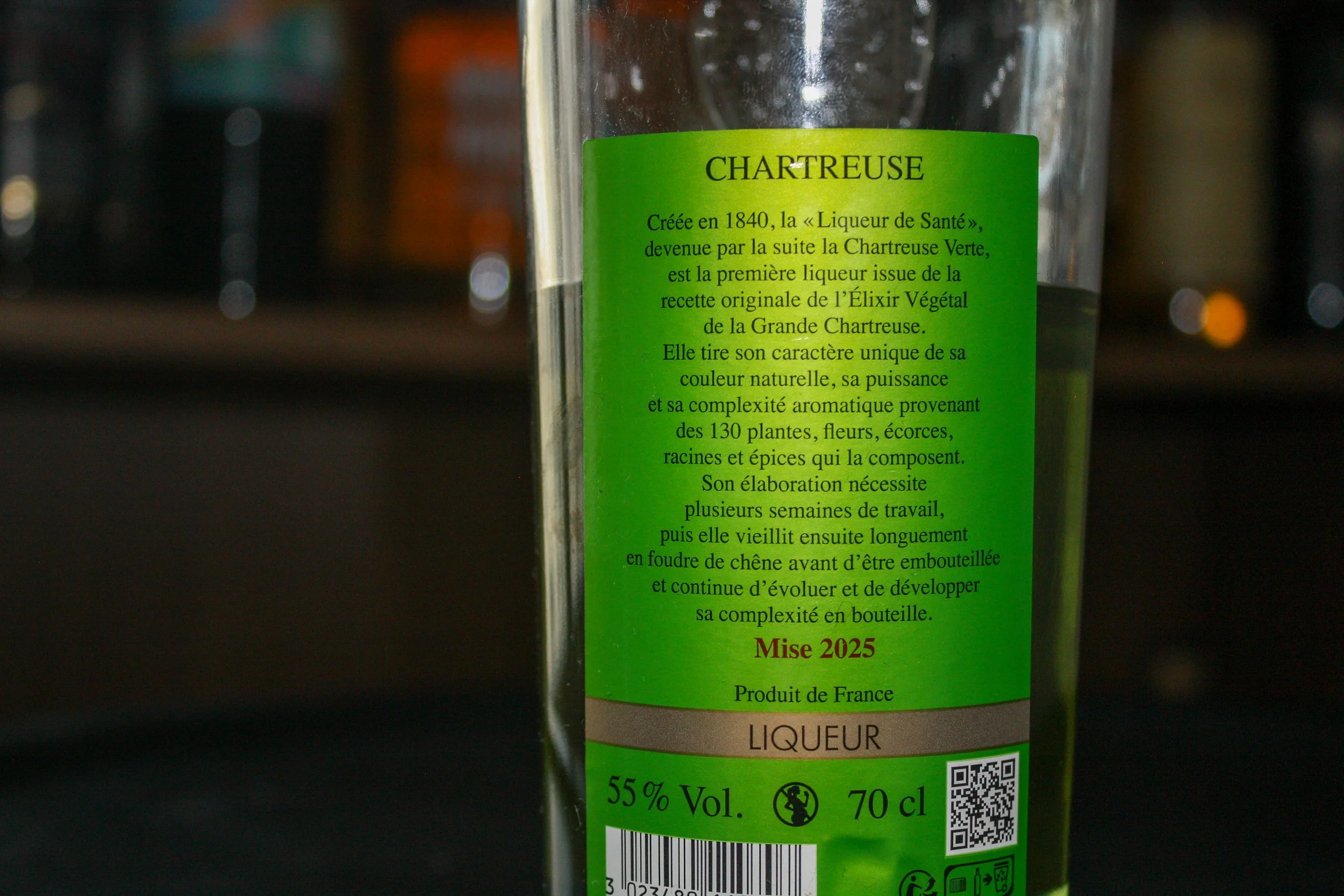
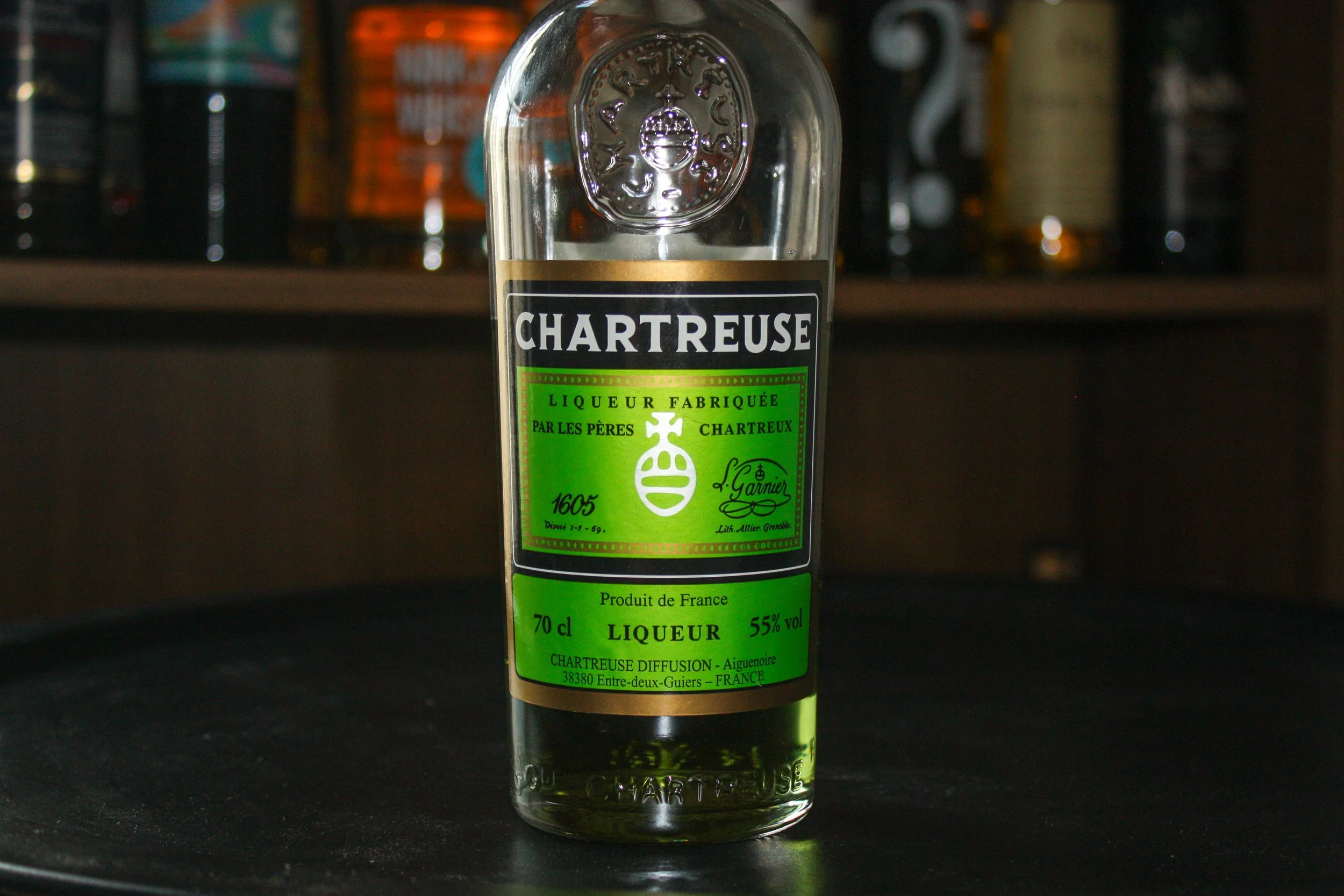
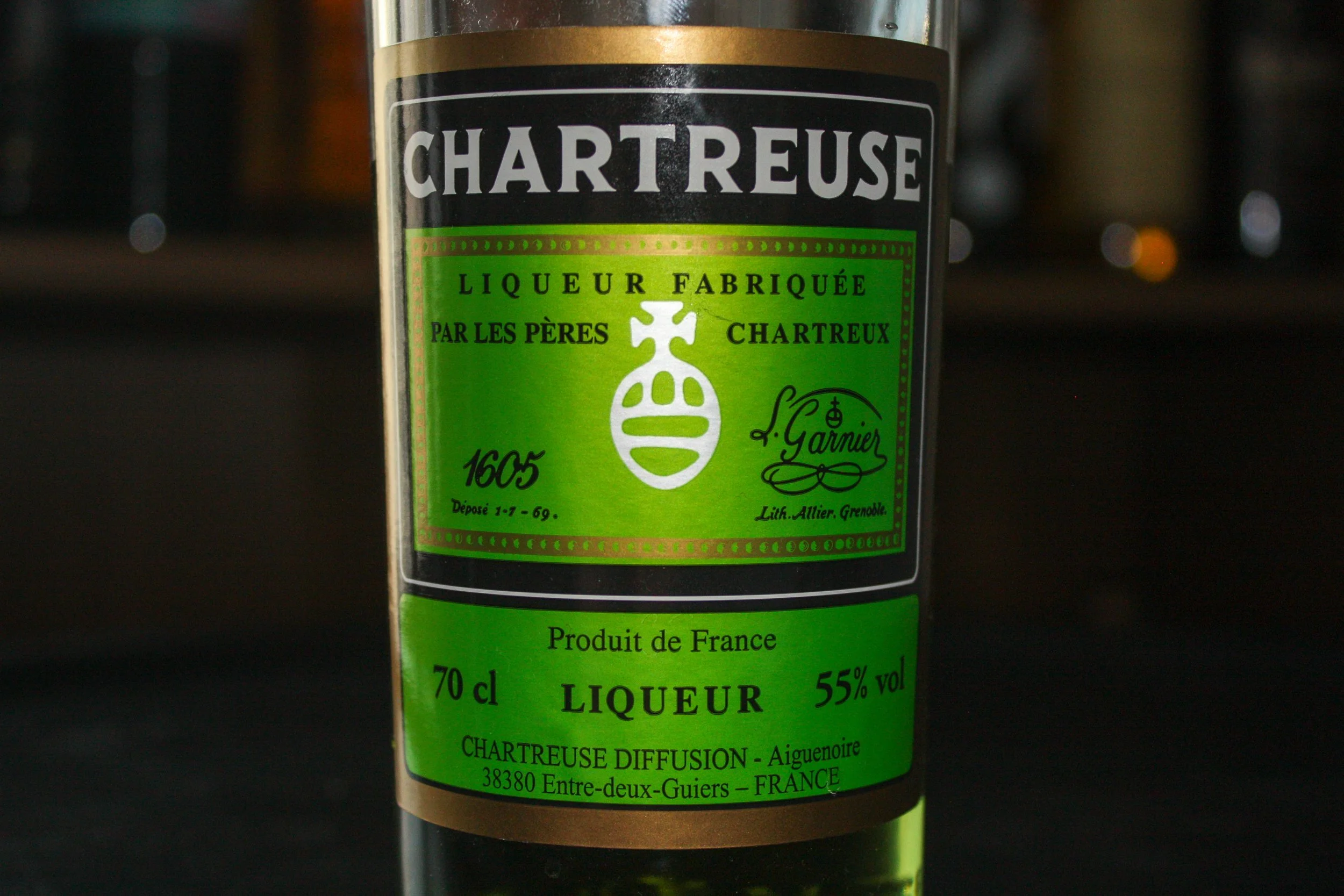
Chartreuse Verte (green), mise 2025, 55% ABV
€50, depending on where you are, it’s either widely available or impossible to find.
The OG. One of the most famous liqueurs in the world. Not unlike some whiskies, the Chartreuse brand has suffered an absurd rise in value on the secondary market, especially for the limited bottlings, due to limited stocks and rising demand, particularly in the USA. They have implemented allocation on all liqueurs they produce. They are also rumoured to benefit greatly from bottle ageing. As such, it’s not rare to see 1940’s bottlings of Chartreuse, for example, go for several thousand euros.
This Chartreuse Verte (green Chartreuse) is their most famous and most widely ‘available’ bottling. Relatively easy to get in France via the independent retailer market, but an absolute unicorn in some parts of the world.
Score: 7/10
Very good indeed.
TL;DR
The Queen of Liqueurs for a reason
Nose
Spicier and grassier than the previous one. Not as mentholy either. Dried herbs, with a more medicinal kick to it, and marjoram.
Palate
Hot, spicy, and complex, with a medley of roots, hay and herbs. Fresh cut grass. Bitterness is toned down as well compared to the ‘147’. It feels a bit more jaggy and vibrant, either due to less ageing in wood or the 6% increase in ABV.
The Dregs
A must have in anyone’s home bar. The perfect way to end a meal and feel like you’re doing your body a favour with all of these medicinal plants, when in fact you are not really. But it feels good, and sometimes that’s all that counts.
I will have a bottle of this at home until the day I die.
Score: 7/10
Review 5/6: Liqueur d’Armagnac
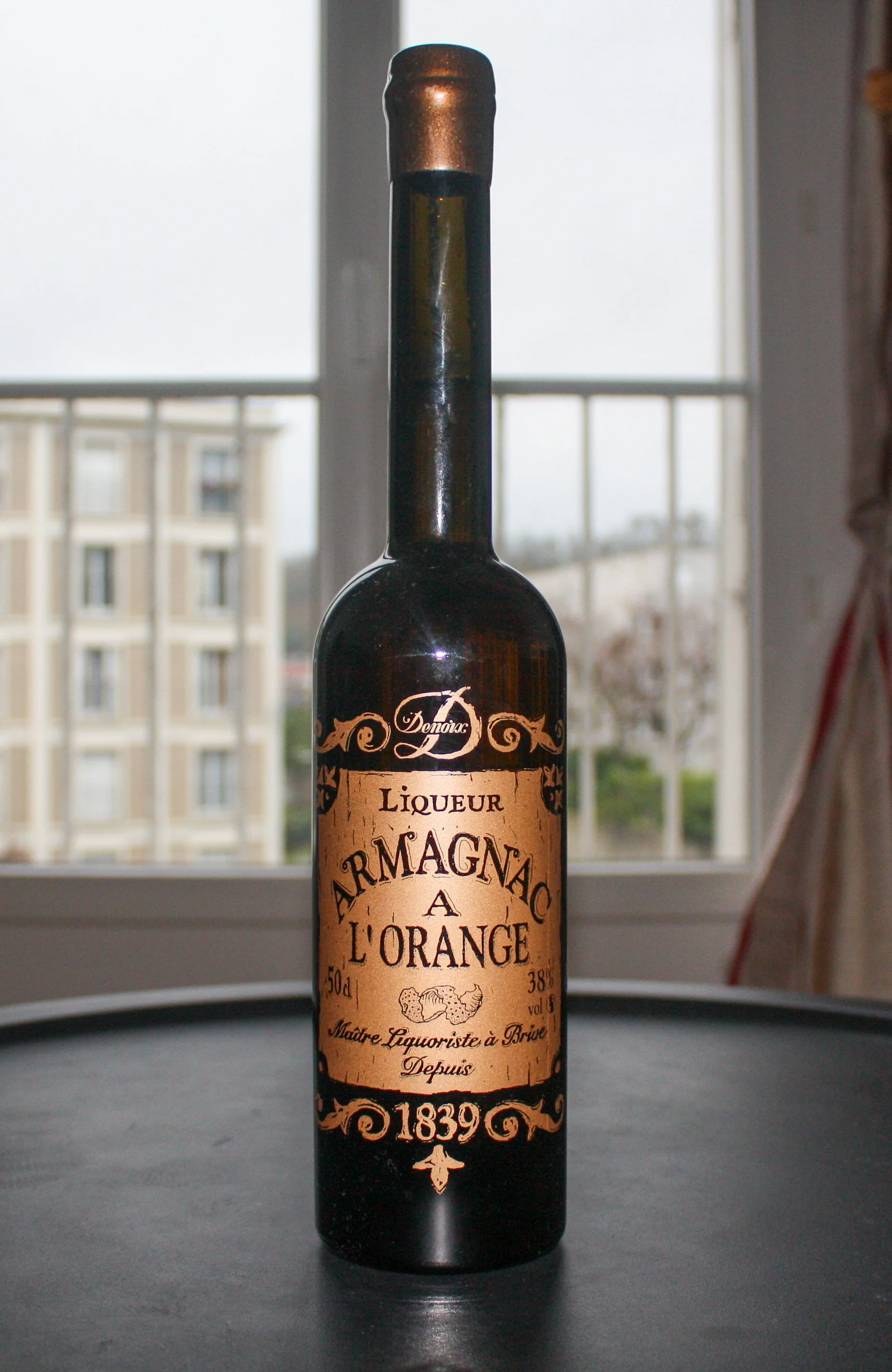
Denoix, Liqueur d’Armagnac à l’orange, orange liqueur, 38% ABV
£28, small batch with spotty availability
I love the Denoix distillery. They’re located in Brive-la-Gaillarde, in the Corrèze region, not far from the Dordogne river region that so many Brits invade every summer - rightfully so. The Denoix distillery works in a very traditional way, even making their own syrup in a copper pan on an open fire, just like 150 years ago.
This is an orange liqueur made with Armagnac as the base spirit. One could classify it as some kind of a Curaçao.
Score: 6/10
Good stuff.
TL;DR
Forget Grand Marnier, get this
Nose
It smells like the little chocolates with a piece of orange peel inside that your Gran would give you. That’s basically it. Very simple yet evocative nose.
Palate
Round, sweet chocolate, and the citrusy and deliciously bitter tang of orange oil and peel. It carries on for a while after swallowing.
The Dregs
An orange liqueur that isn’t only about oranges. It’s not the sweet orange flavour often used in candies and stuff; this is purely derived from the peel of the fruit. The Armagnac base darkens it and rounds out the whole experience.
Score: 6/10
Review 6/6: Walnut Liqueur
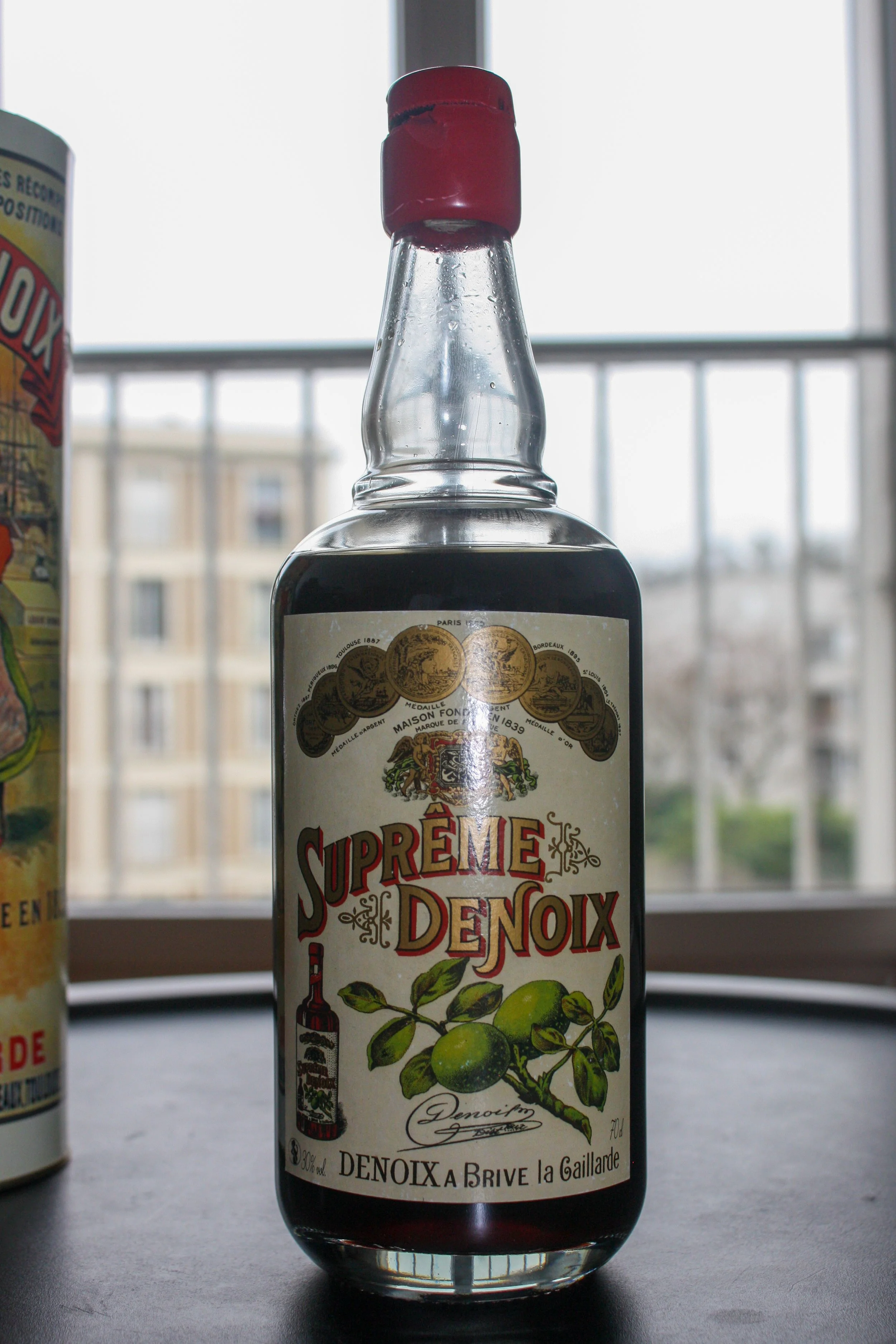
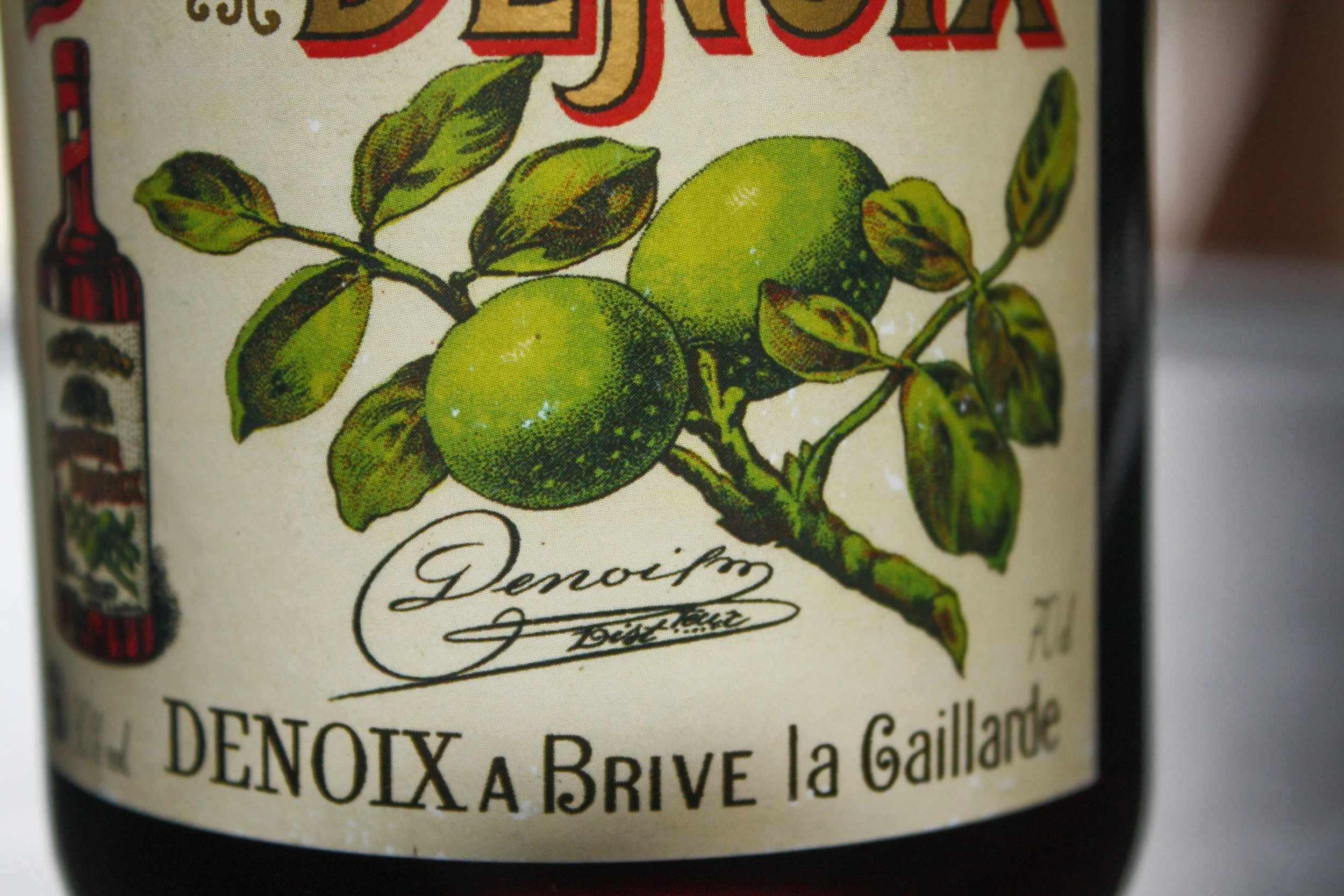
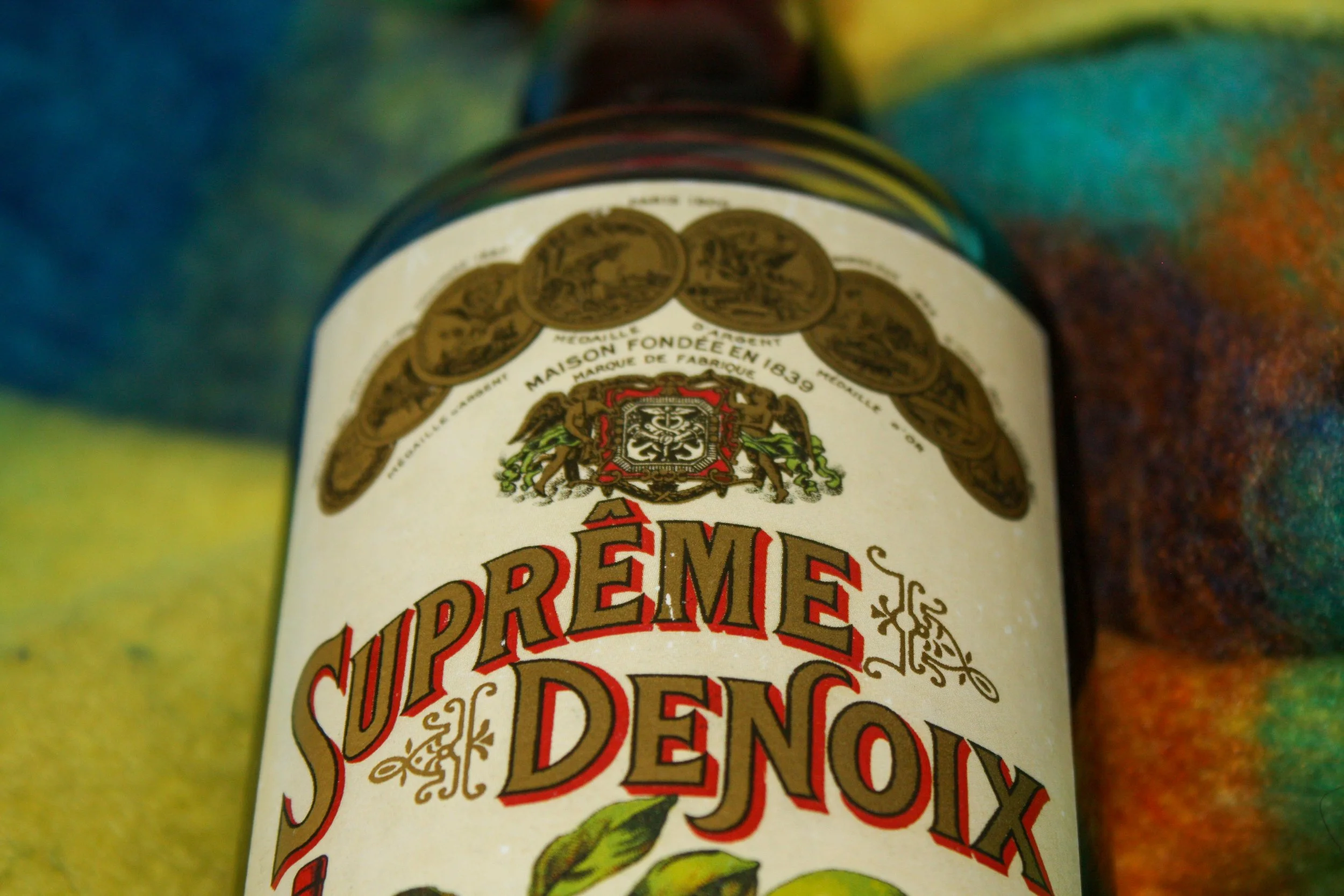
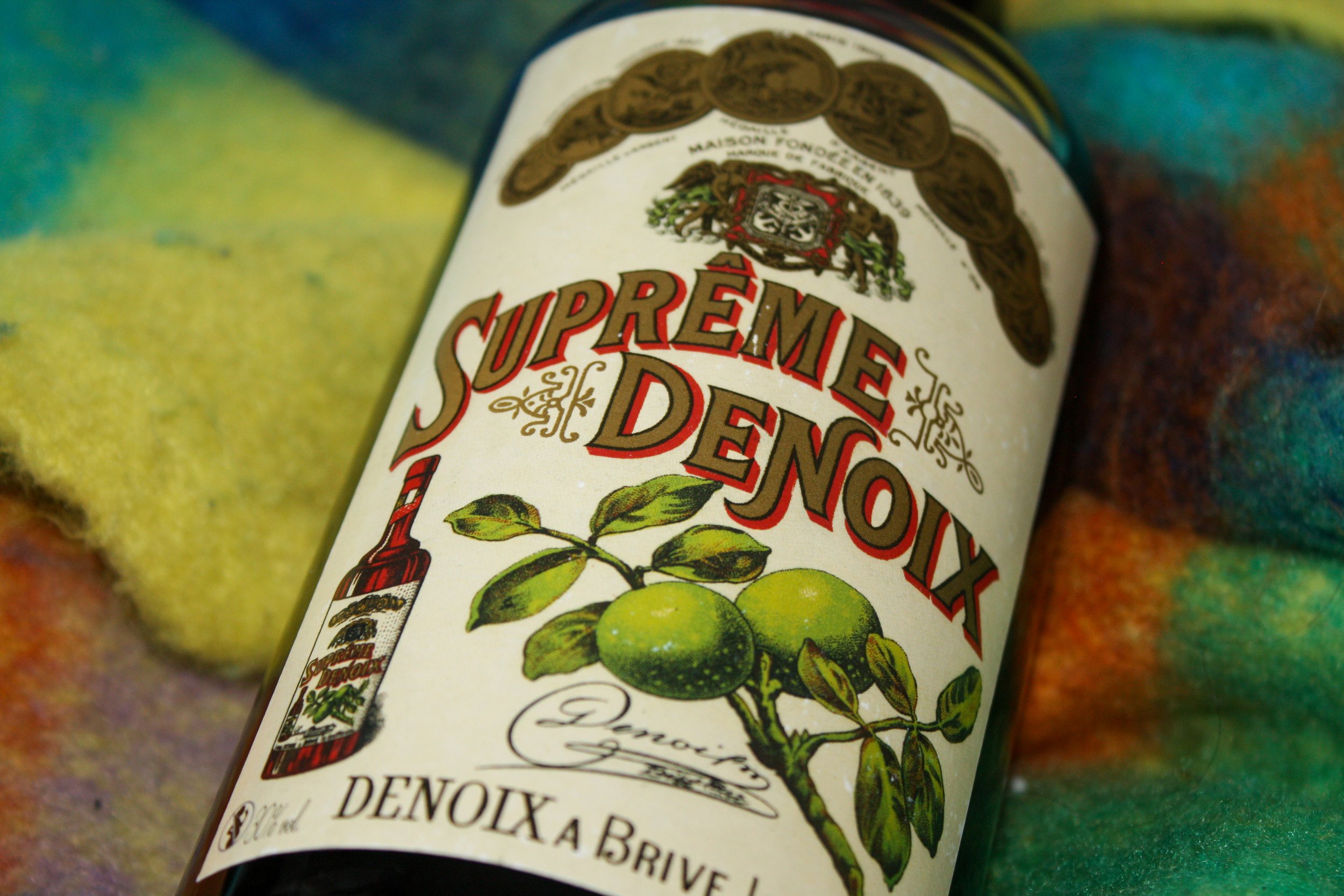
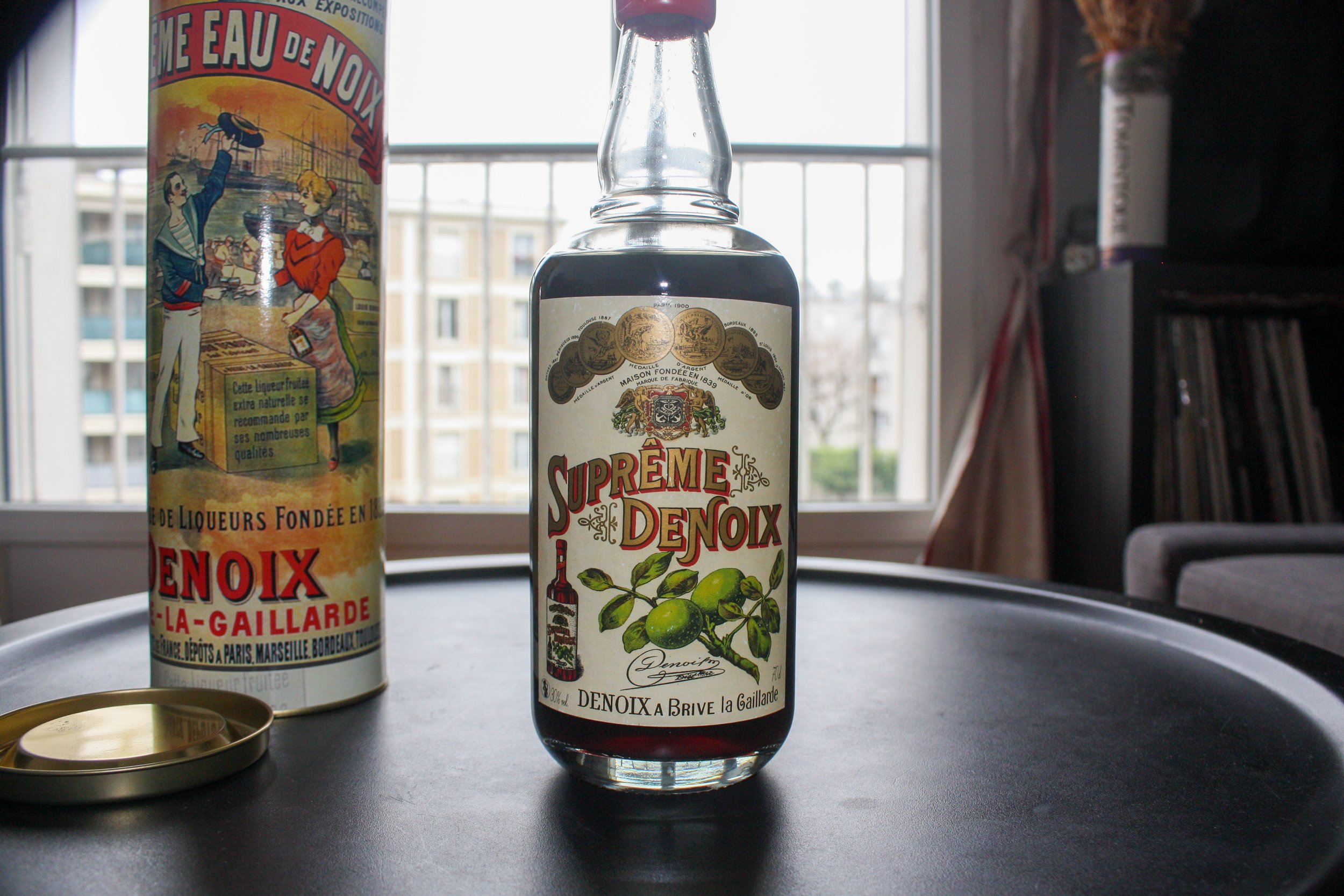
Denoix, Suprême de noix, Walnut liqueur, 30% ABV
£35, small batch with spotty availability
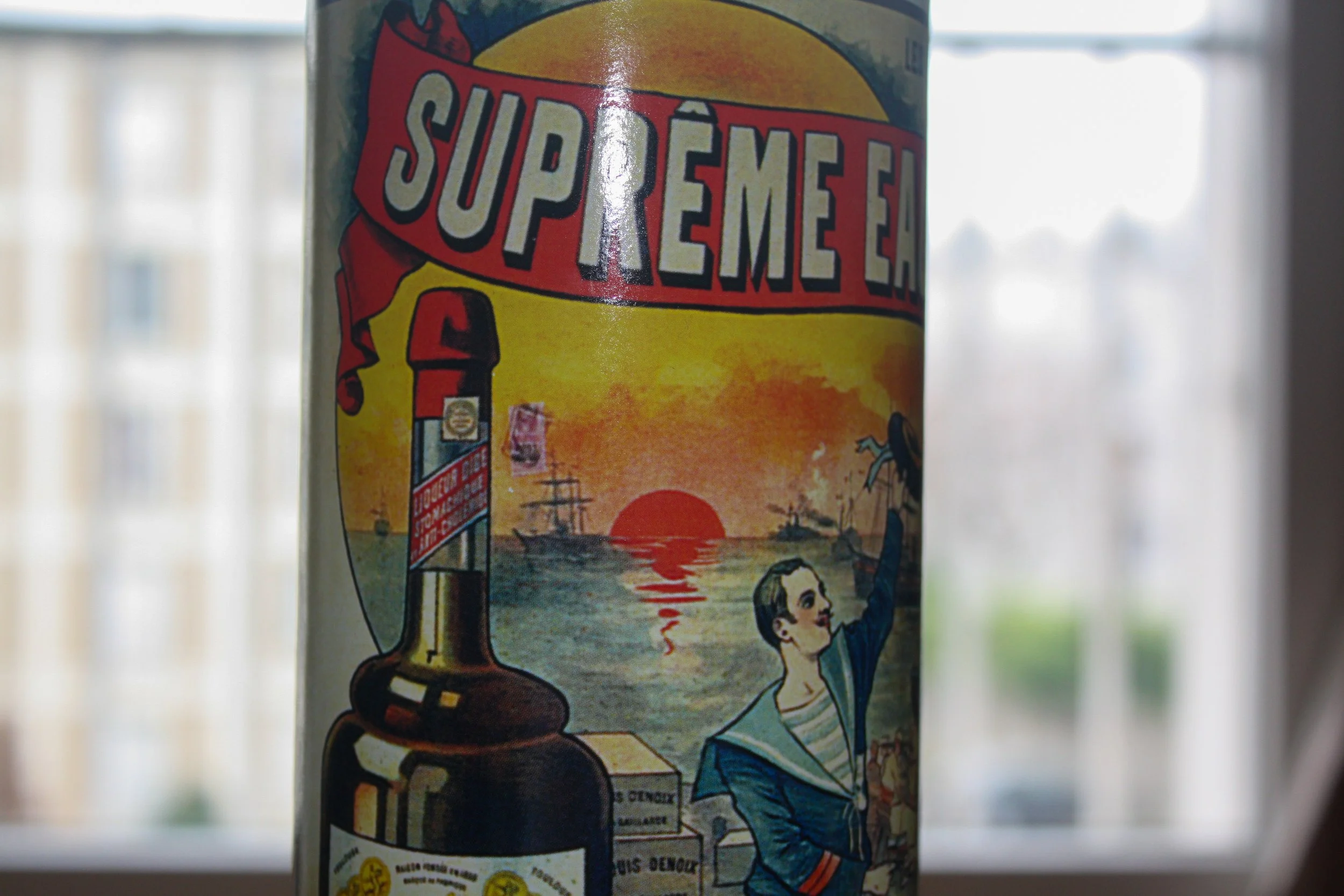
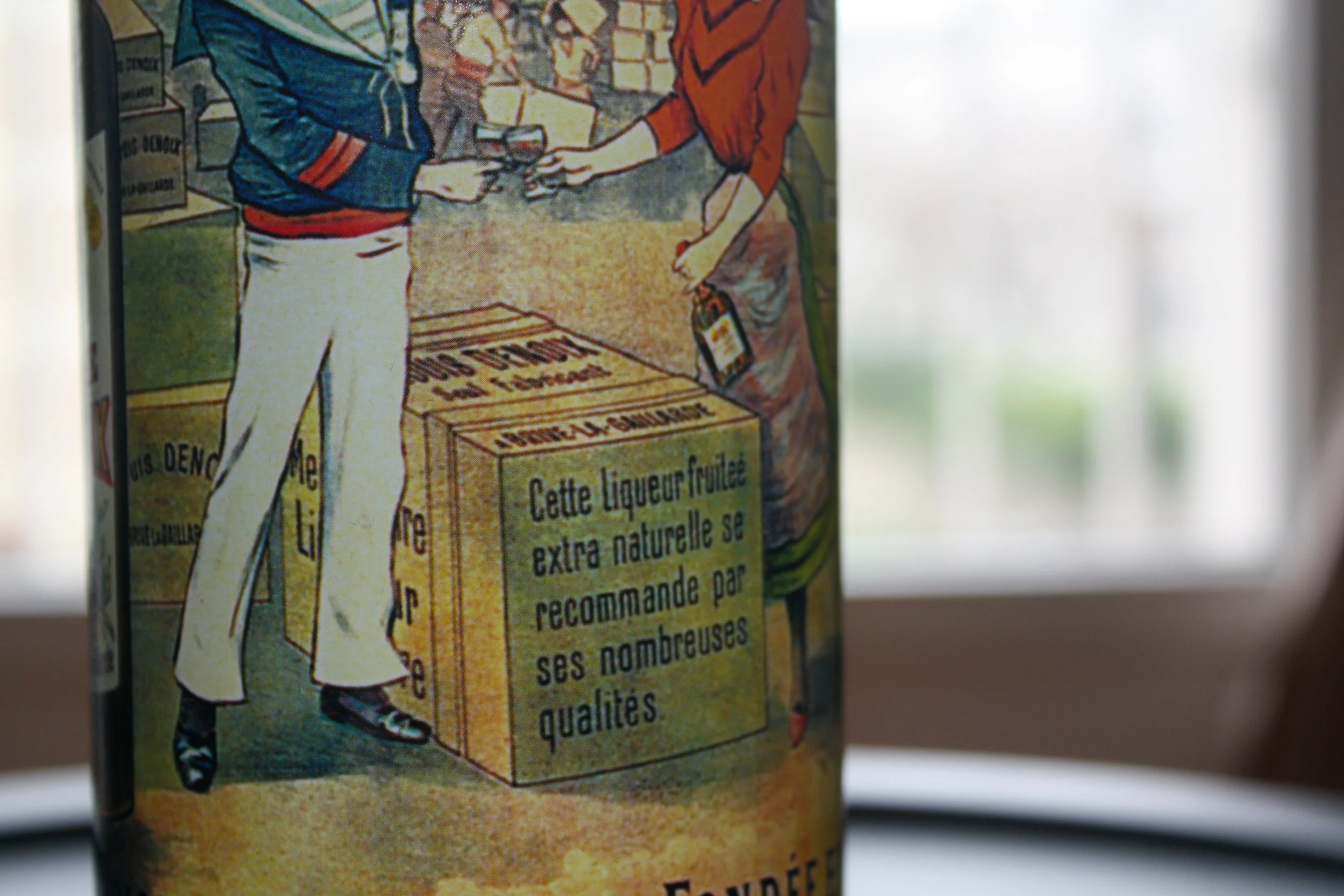
The area around the Denoix distillery is famed for its walnut production, and as such it is no surprise to learn that this was the first liqueur produced by the Denoix family. By the way, in French, Walnut is spelled ‘Noix’. That’s right, this walnut liqueur is made by the ‘Of Walnut’ family distillery. Can you imagine if a guy named McBarley made whisky? Talk about destiny.
Score: 9/10
Exceptional.
TL;DR
One of my favourite things when I crave something sweet
Nose
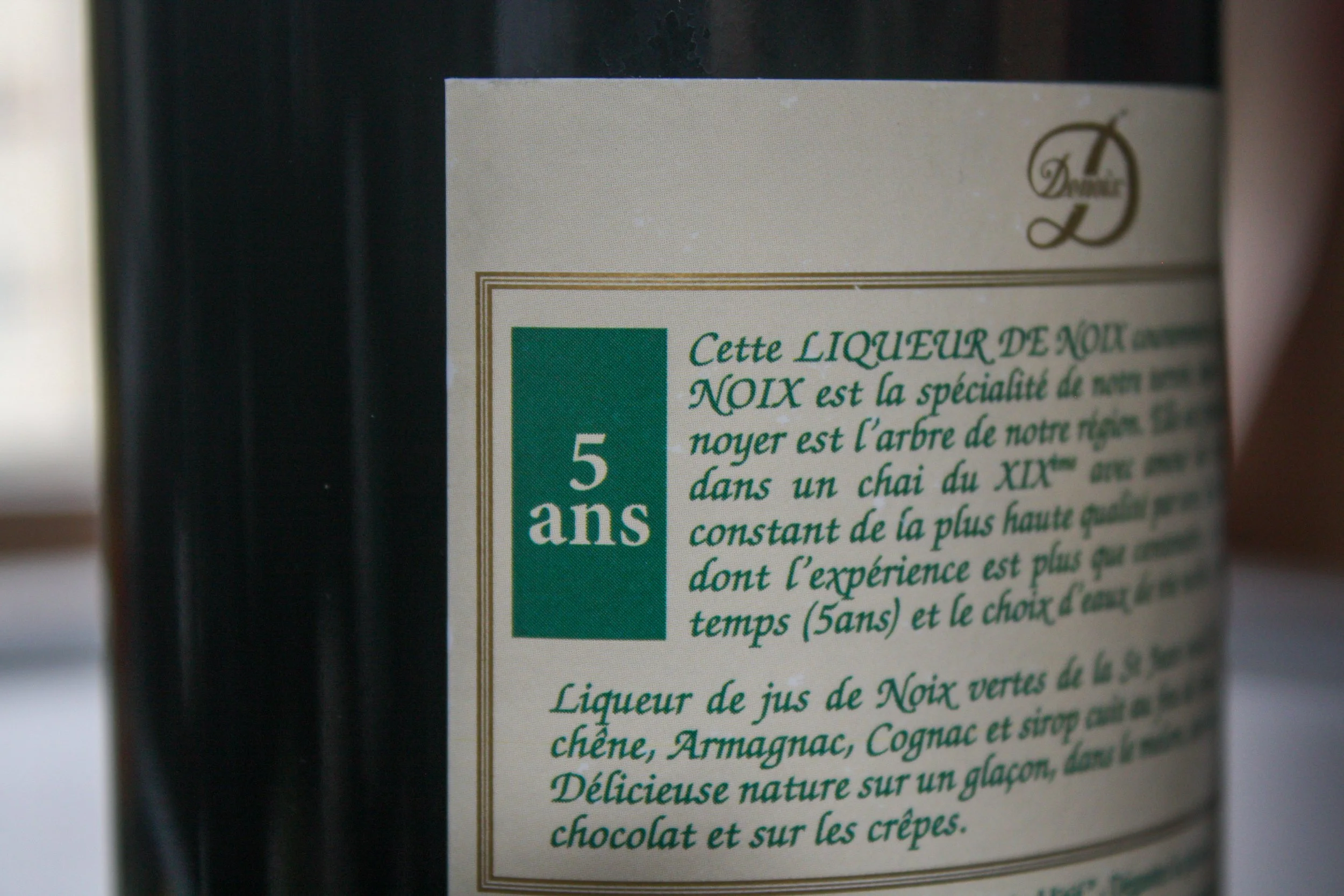
Walnut ice cream. The Cognac and Armagnac base is present, bringing much complexity. They steep the walnut in the brandy and age the mixture in oak for 5 years before blending in their homemade syrup.
Syrupy glazed walnuts and hazelnuts. A light hint of leather. Dark and broody.
Palate
Rich, with walnuts at the core, but all sorts of wood spices and aromas derived from the base spirits: figs, dates, raisins… Decadent, eminently old school, and most importantly, bloody delicious.
The Dregs
I’m a sucker for this bottle. I hope the Denoix distillery will continue producing this the same way for generations to come. This is the type of stuff that is so good it could end wars, and I think we need that at the moment.
Score: 9/10
Thanks for taking the time over the three ‘Malternative’ instalments. Please let me know if these have been useful!
Your man in Paris - AF
Slàinte!
AF
-
Dramface is free.
Its fierce independence and community-focused content is funded by that same community. We don’t do ads, sponsorships or paid-for content. If you like what we do you can support us by becoming a Dramface member for the price of a magazine.
However, if you’ve found a particular article valuable, you also have the option to make a direct donation to the writer, here: buy me a dram - you’d make their day. Thank you.
For more on Dramface and our funding read our about page here.