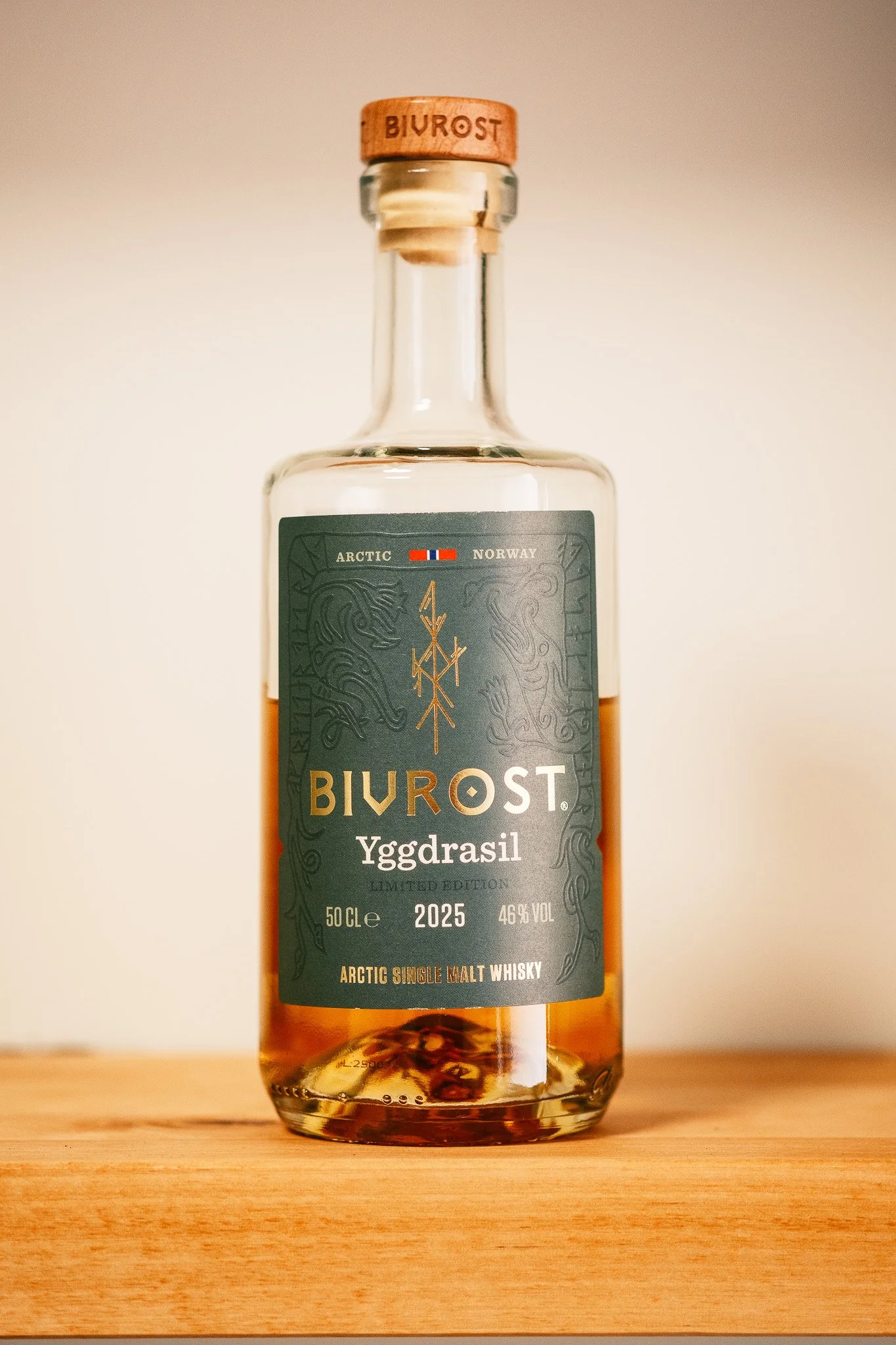
Bivrost Yggdrasil Arctic Single Malt
Aurora Norwegian Whisky | 46% ABV
Score: 6/10
Good stuff.
TL;DR
Don’t judge, everything is better than you might suggest
Happenstance
Going back to a portion of my roots. By pure luck to boot.
A good friend’s parents just so happened to be going on a family pilgrimage back to Norway eighteen months ago.
There is a shared Nordic background between us where we hailed from Norway; our roots are similar. My Danish gramma (born in early 1930s) was an Army nurse in World War II who, following that significant period in our global history, decided to take the leap and relocate to Canada; not just to a major center, but a rural outpost. Talk about guts, wrapped in a feisty five foot two inch tall package.
The other side of my family had a slightly more convoluted path, moving from Norway in the late 1800’s to Minnesota, USA, before moving northwest to the prairies of Canada. I guess the Americana never stuck because they settled in central Alberta in the 1930s and are still farming there, coming up on a centennial farm marker soon. There wasn’t a distinct familial root aspect in my childhood but it was more subliminal, usually centered around food and major celebrations.
The Nordic aspects have always been part of my family traditions, from gjetost to krumkake and lefse being featured on the family dining tables. I personally never really jived with gjetost (“yay-toast”), a funky looking semi-firm creamy brown colored goat cheese. That being said, it’s been a fair while since I’ve dabbled and it’s likely that my tastes have evolved and I could appreciate it more now.
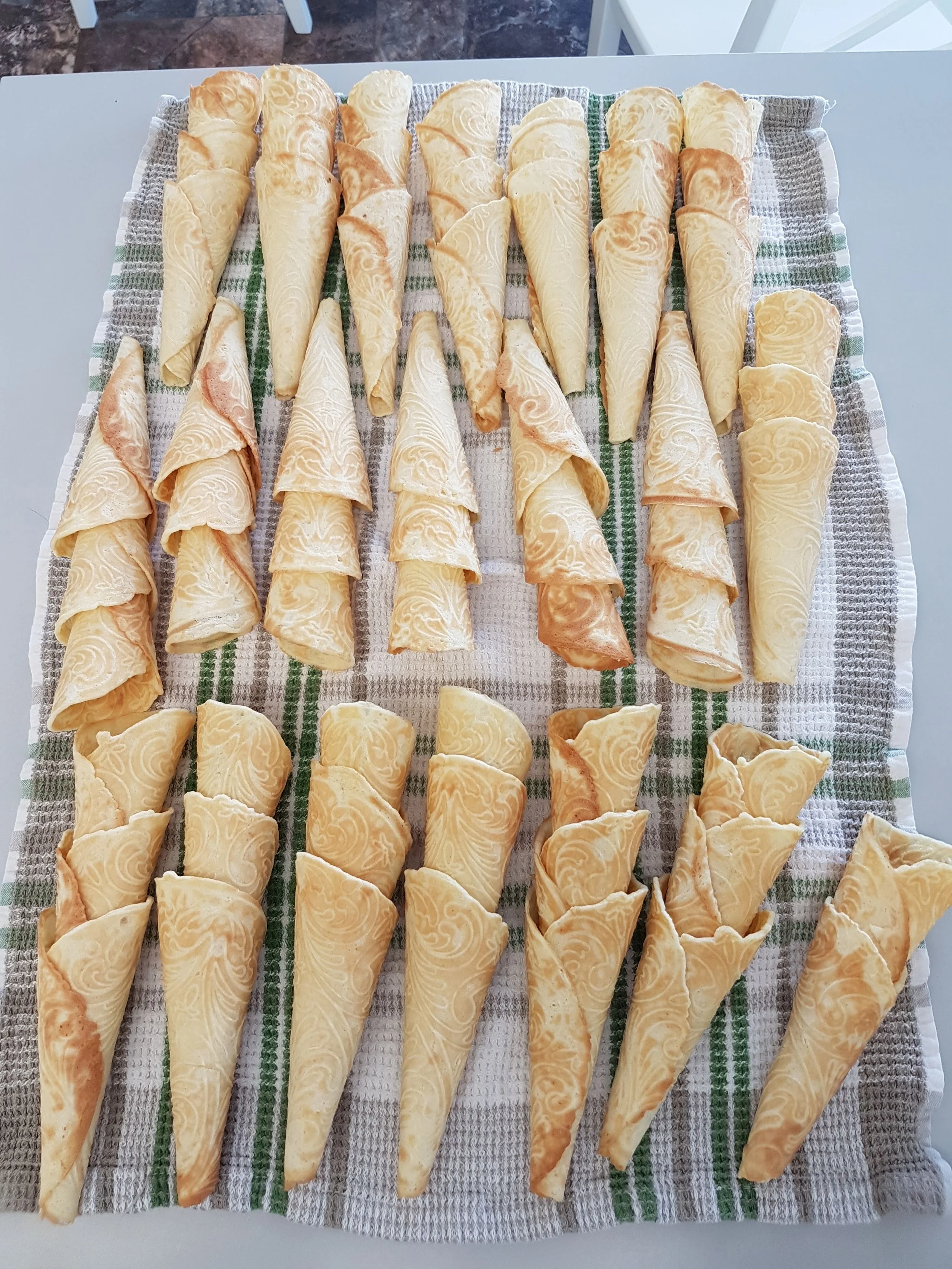
I’ve always loved krumkake (“kroom-kaak-ah” or thereabouts) since I was a kid, and I’ve even got a krumkake iron now (courtesy of my mom) and make them once a year or so. Those delicate, crispy, and lightly sweet scrolls, or curved cake, are incredible and are beautifully decorated. Think of them as a much better version of an ice cream cone or waffle cone. Fill them with whipped cream, fresh fruit, chocolate or caramel drizzle, or just eat them on their own and you’ll be reaching for another. And another. And a third, because why not. If you don’t know what I’m talking about, here’s a pic from a batch made by yours truly. They are stacked together to hold their round shape while they finish cooling.
Growing up, we always made mega batches of lefse (“leff-sah”) at Christmas time, using up garden potatoes that were starting to get soft and we had lots of time once school was out. These thin, moist, and lightly golden-brown potato pancakes or potato crepes (they are about ~1mm thick) are made from boiled rice and potatoes, flour, and cream before being thinly rolled out with a special rolling pin with rows of small square protrusions, creating a gentle waffle-like pattern. Cooked on a very hot 20” skillet for a minute or two, they are removed and piled, steaming themselves into fluffy goodness. While warm, slather these with butter and sprinkle some sugar on top before rolling up and shoving in your facehole. Such a delicious treat that anyone would like. I don’t have a picture of lefse I’ve made, but think of a lightly toasted, soft, big-ass crepe and you get the idea.
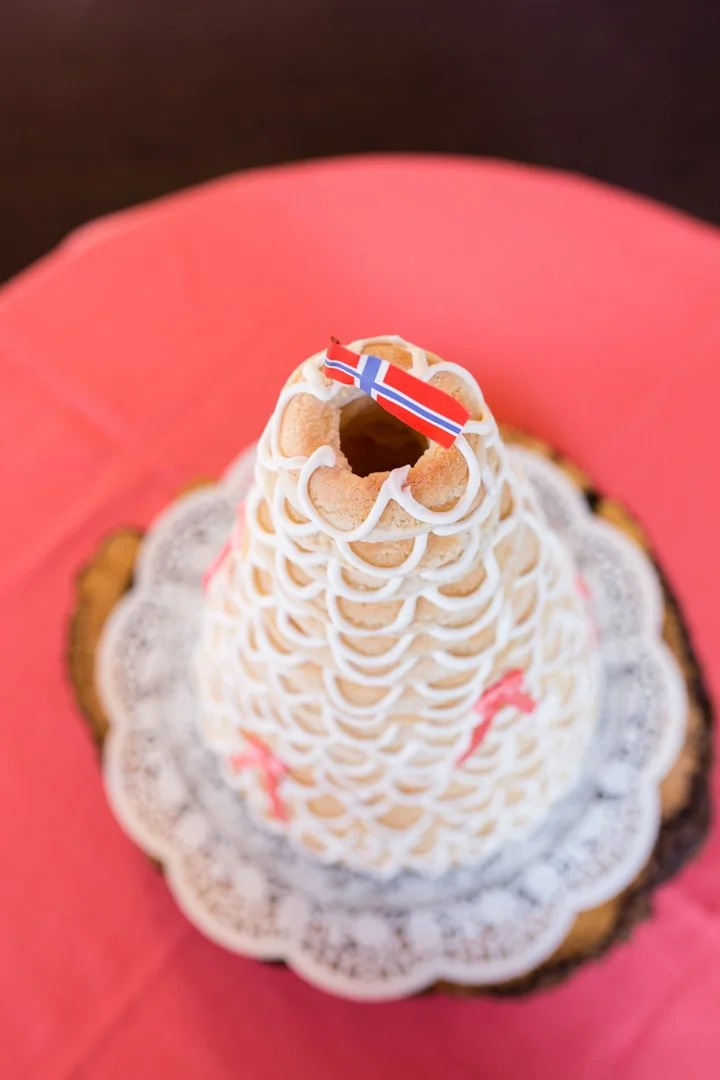
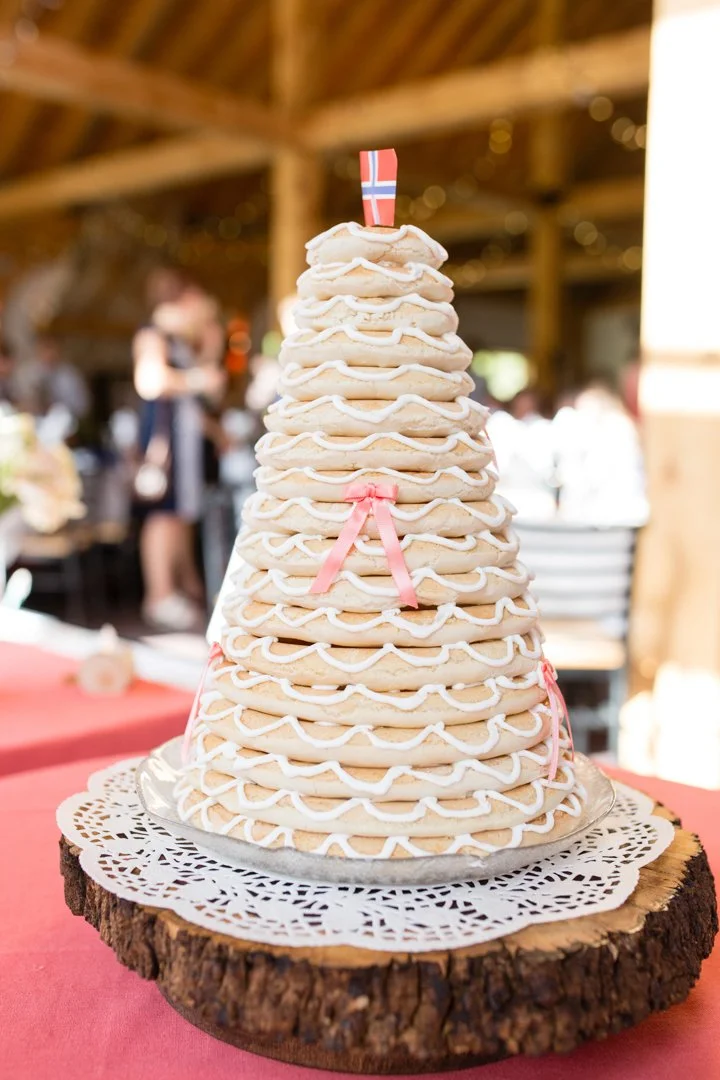
Lastly, we’ve got kransekake (“krans-i-kaak-ah”), a multi-layer ringed almond-flavoured cookie structure. Think of almond biscotti, rolled into small diameter rings, and stacked on top of each other in successively shrinking diameter, creating a towering “wreath” cake that is usually eighteen rings tall. Each layer is stuck together with a sugar and egg white mixture, potentially creating a concrete-like glue that is strategic. Why strategic? Well, this cake is usually made at large celebrations such as weddings. The bride and groom will grab the top ring together and lift and how many rings they pull up dictates how many kids they will have. It’s a fun little game, but when you have an aunt who likes a bit of a laugh and was worried that the kransekake would crumble in transport and therefore used lots of the sugar and egg-white icing (super glue), you can end up lifting all eighteen layers and the plate upon which it was stacked. Ask me how I know.
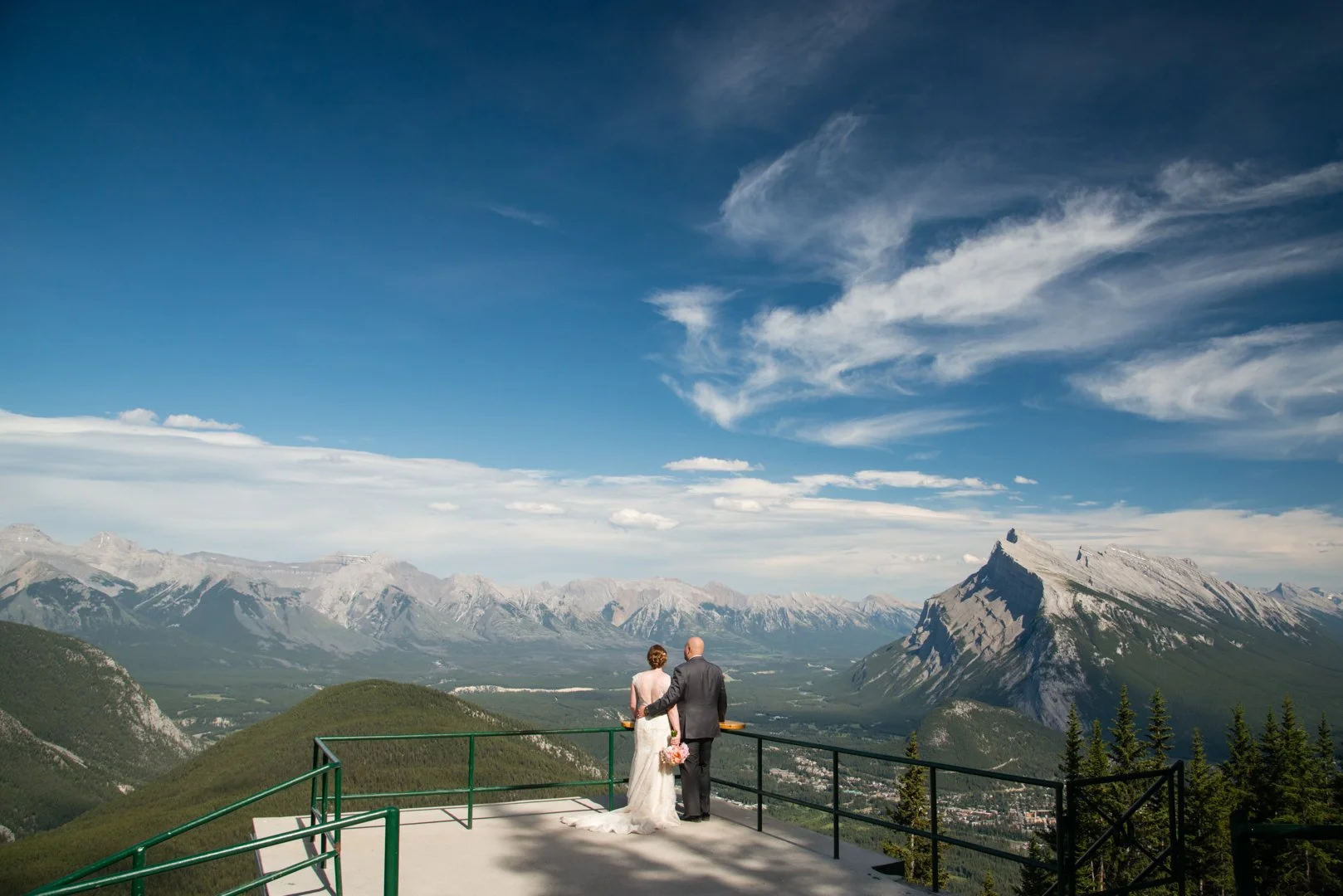
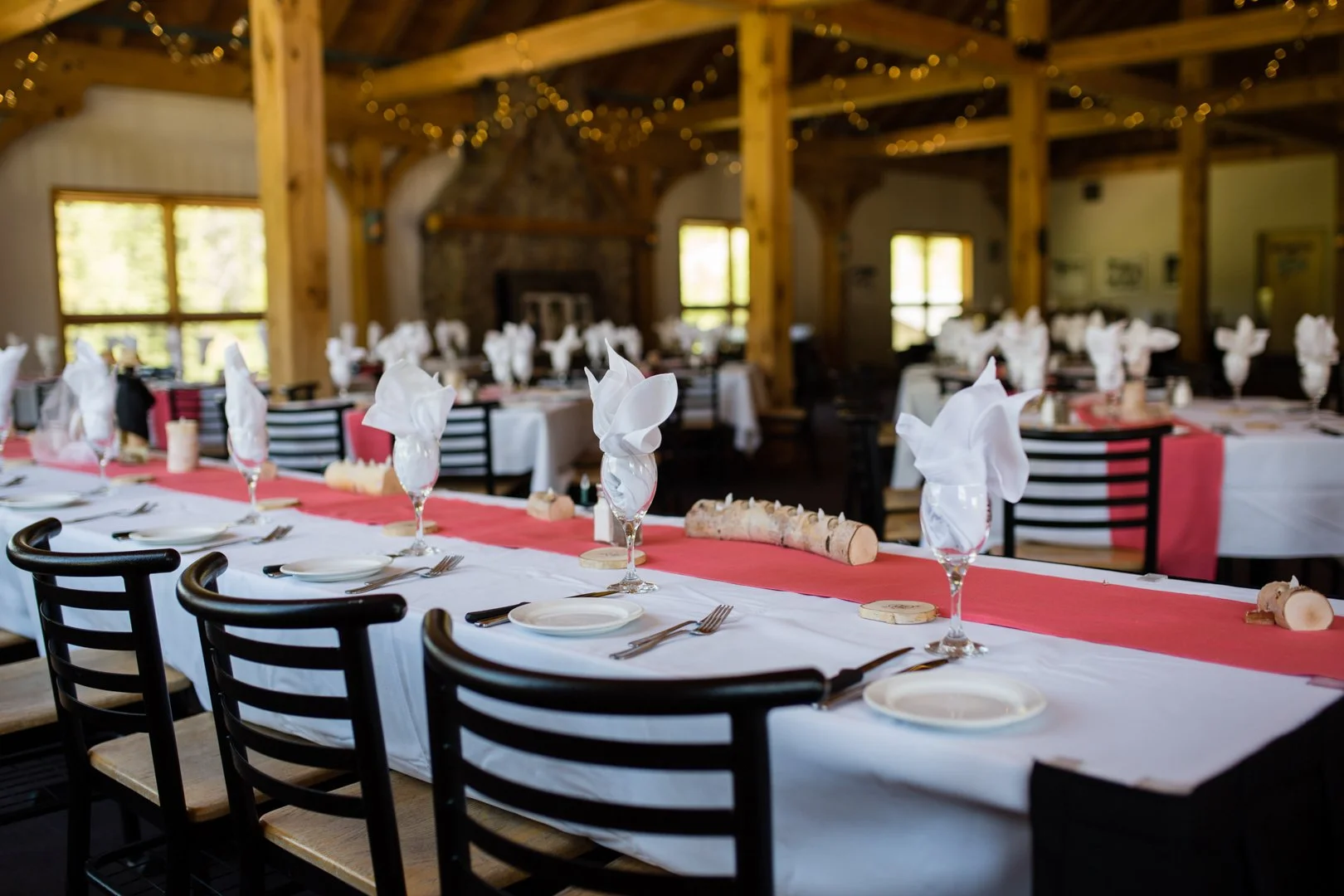
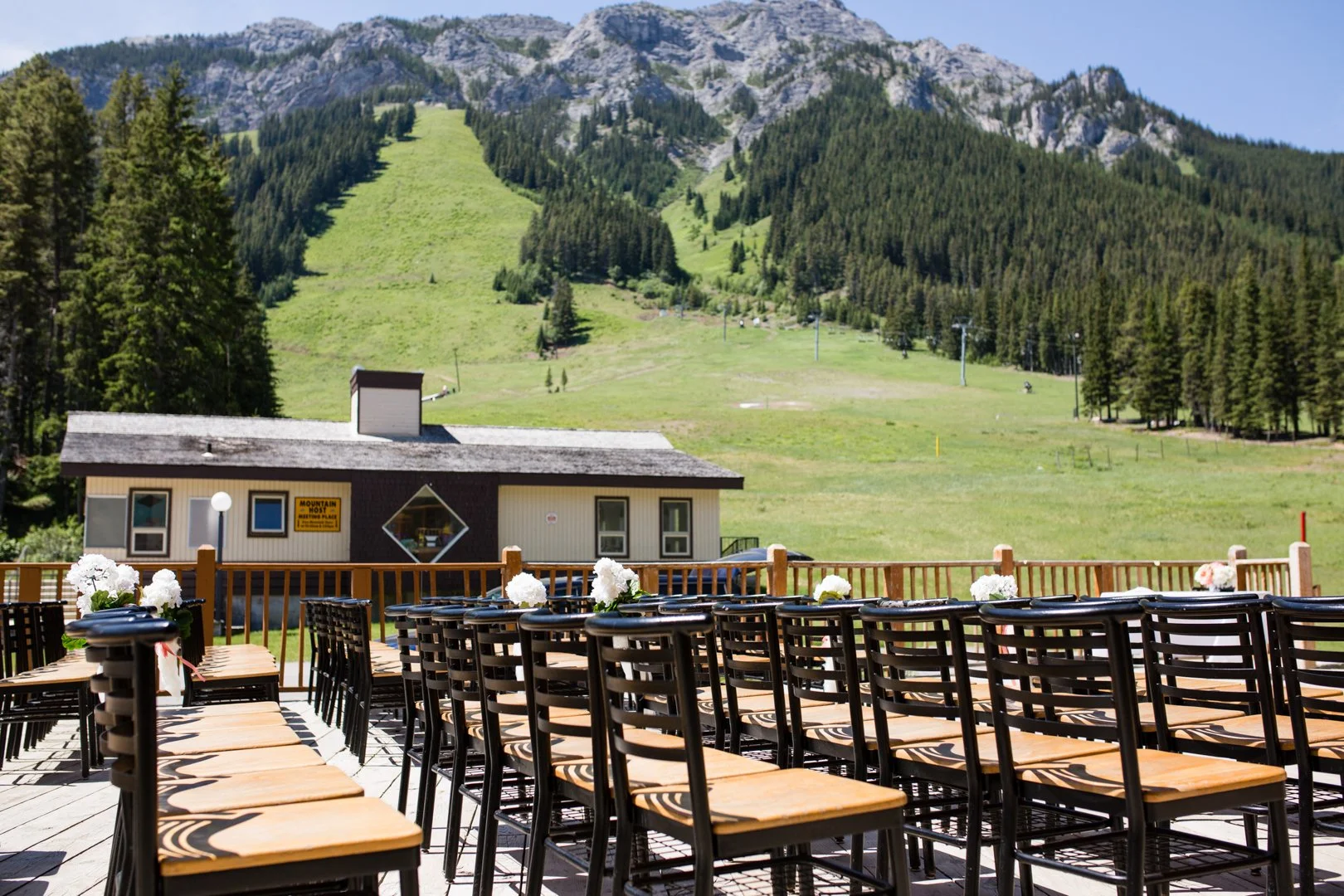
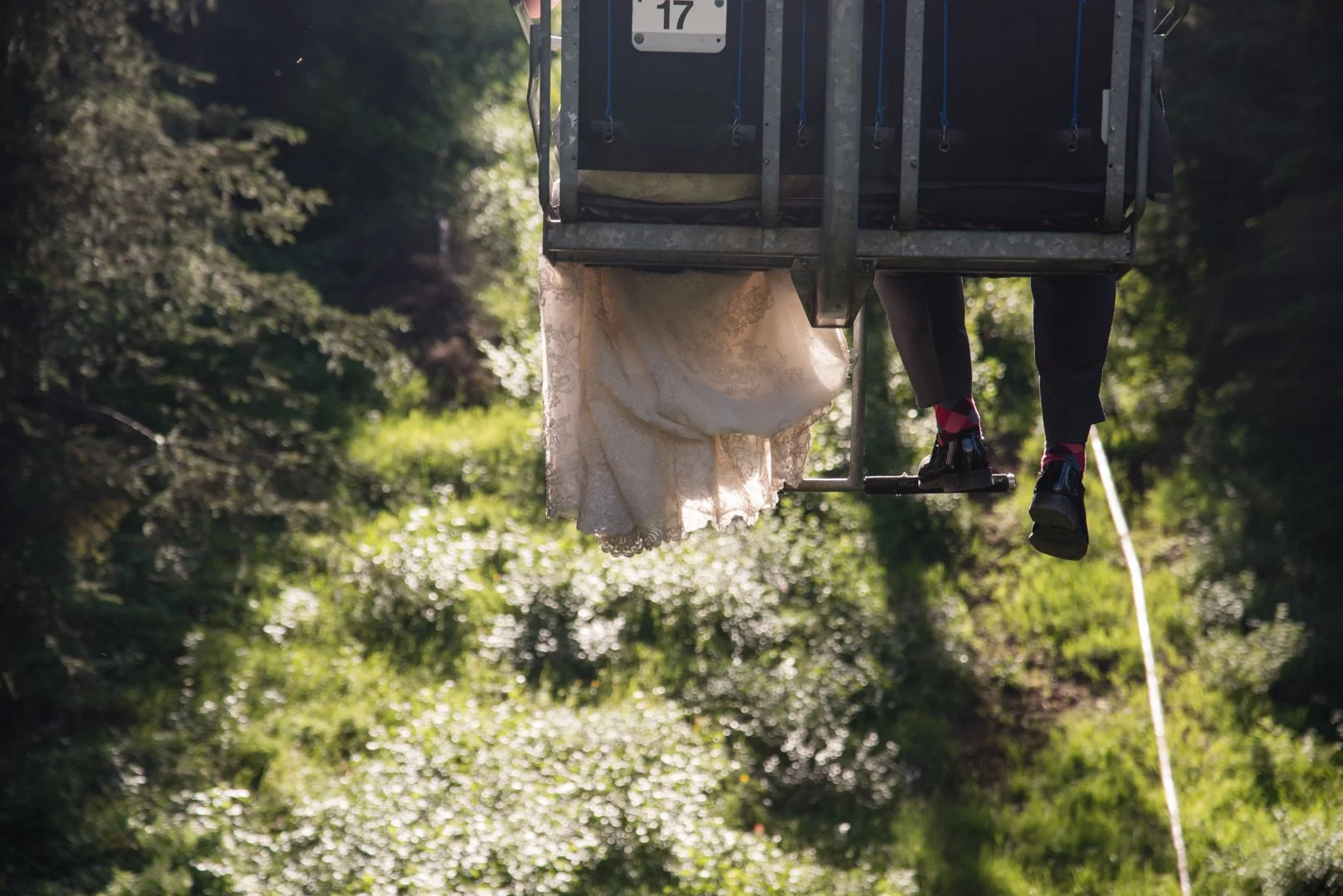
To give you a better idea of what I’m talking about, here’s some pics from my wedding kransekake. And for funsies, I’ve tossed in some pictures from said wedding, because it’s the Canadian rockies and why not.
So while I’ve given you a peek inside some Nordic food traditions, we should probably get back to the whisky content eh?
Review
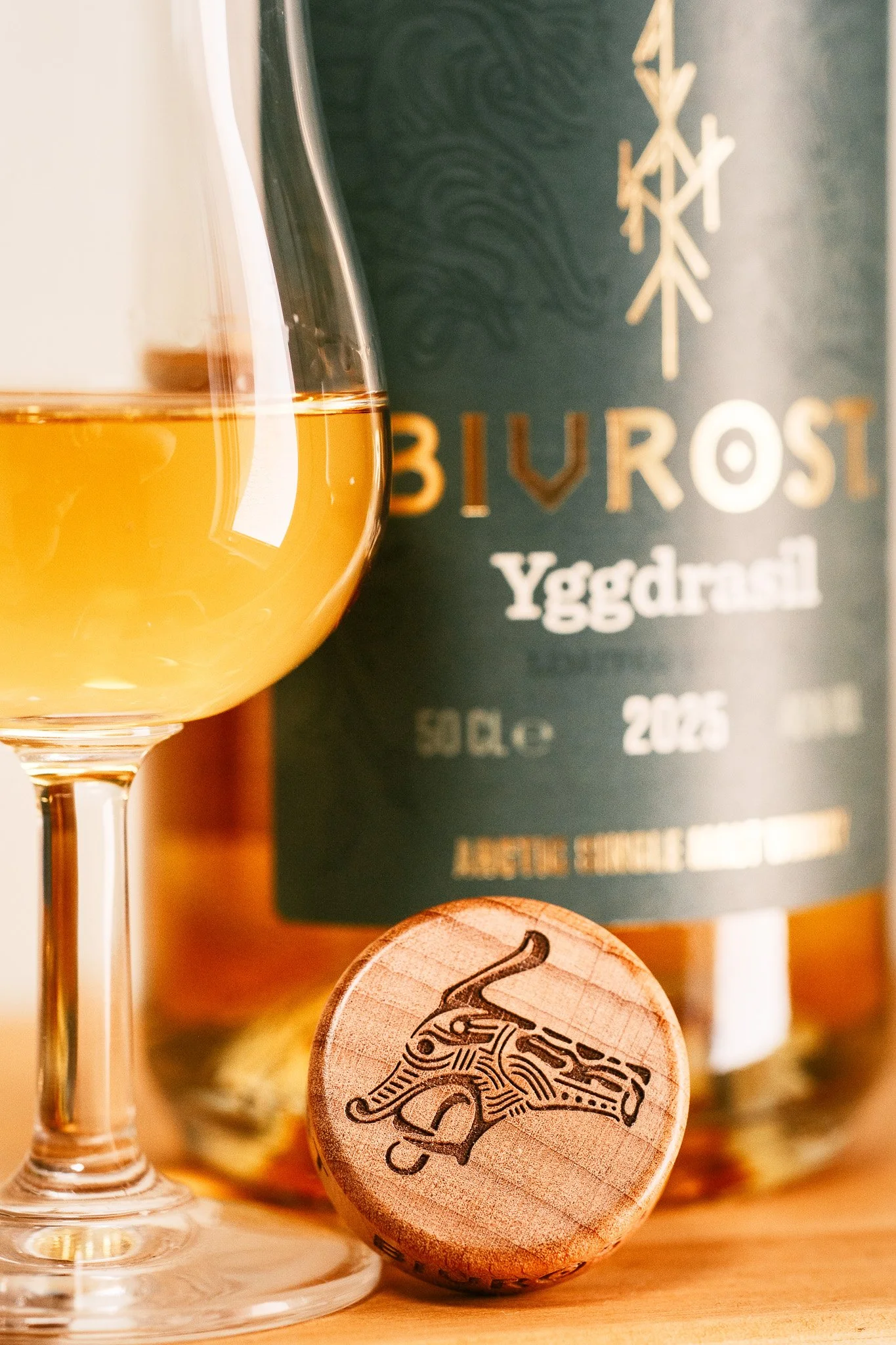
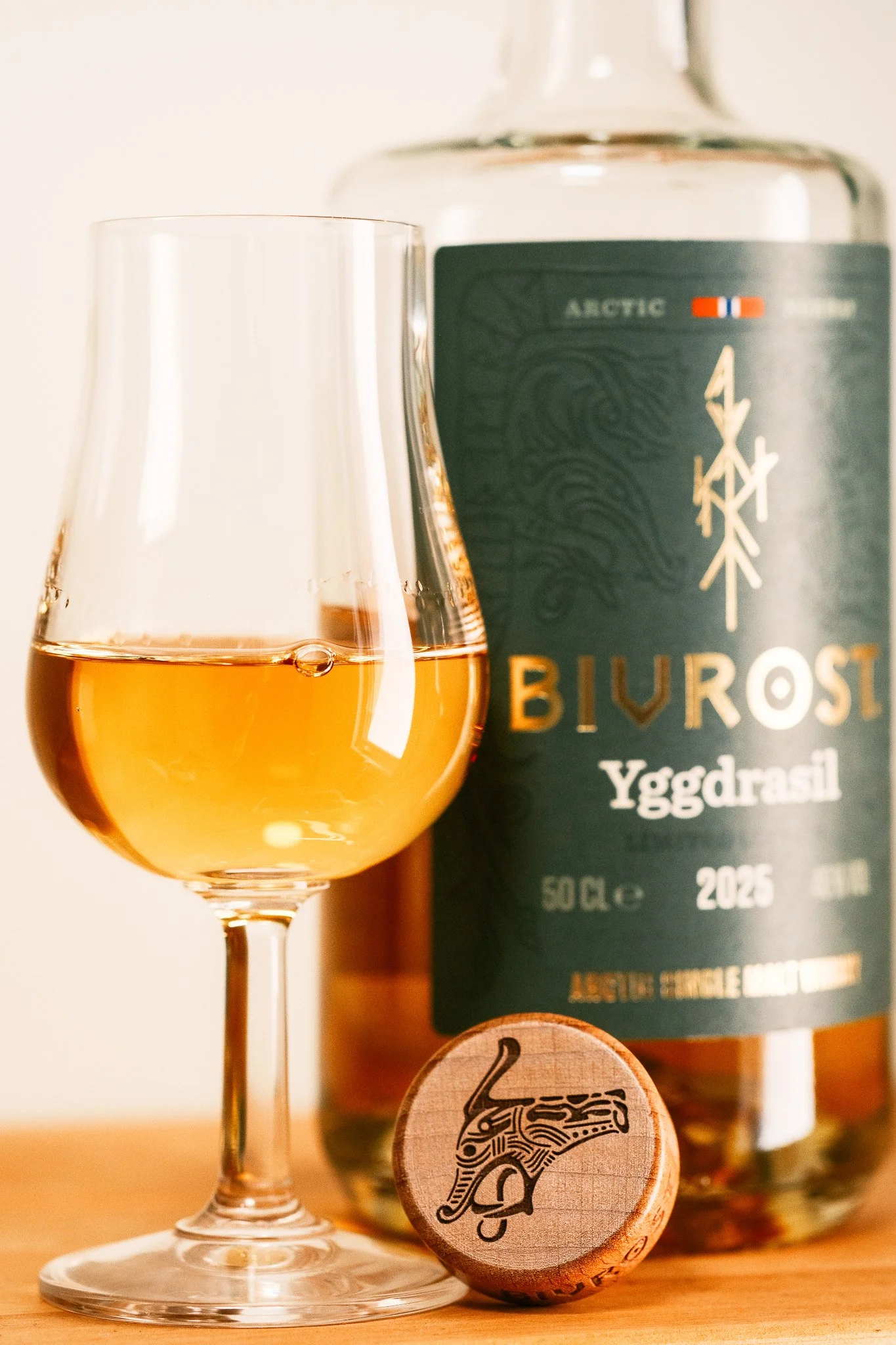
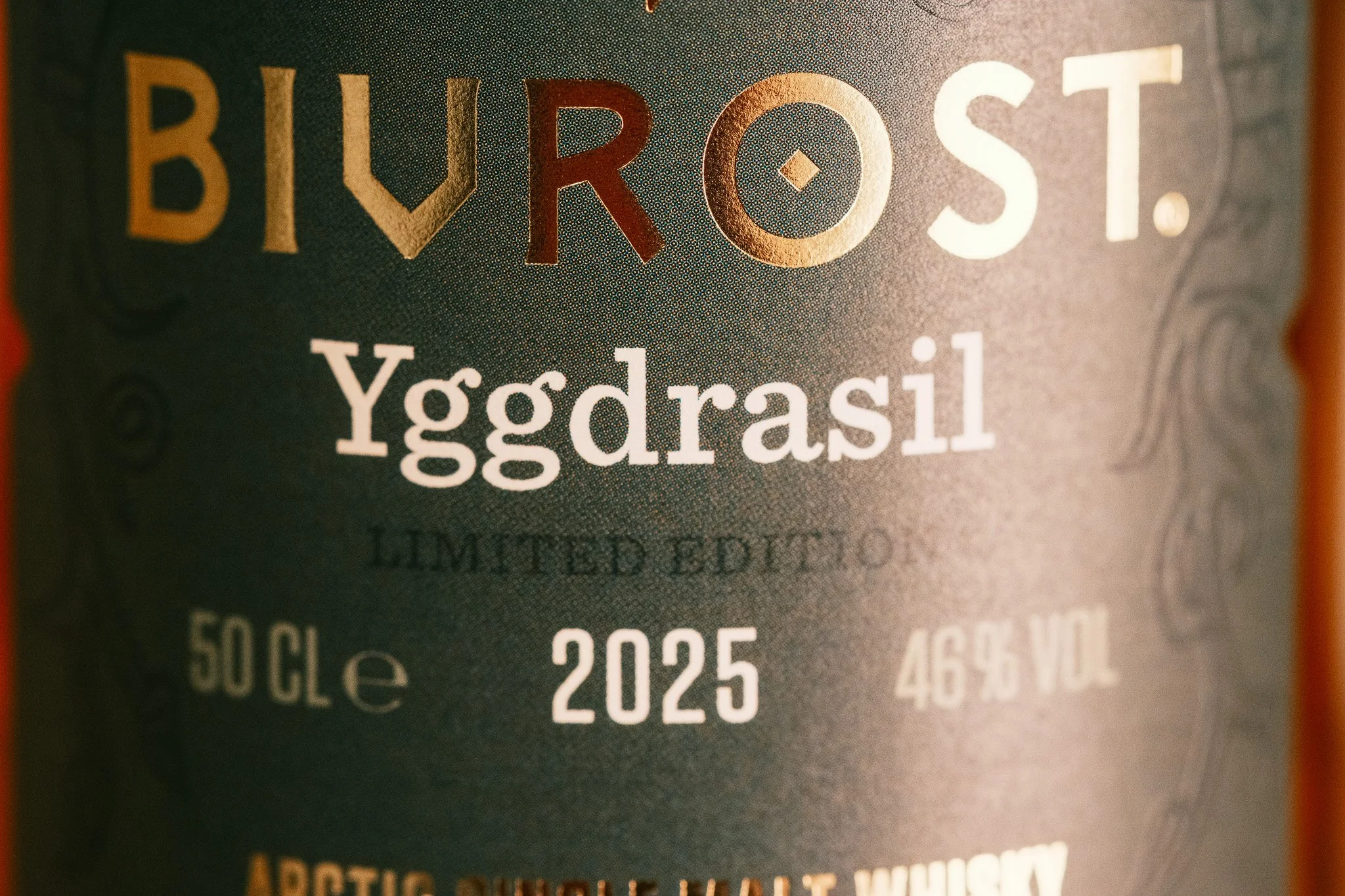
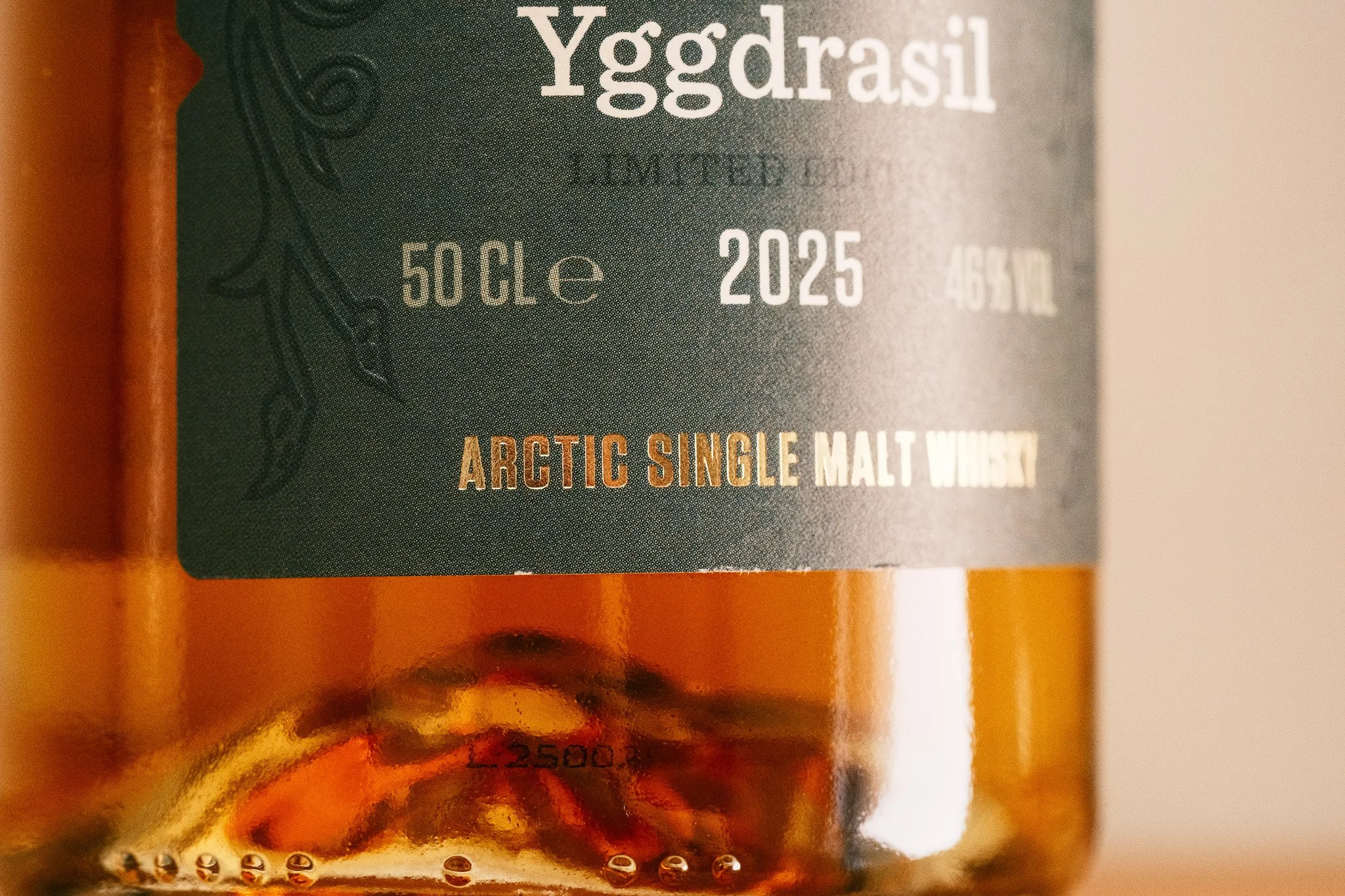
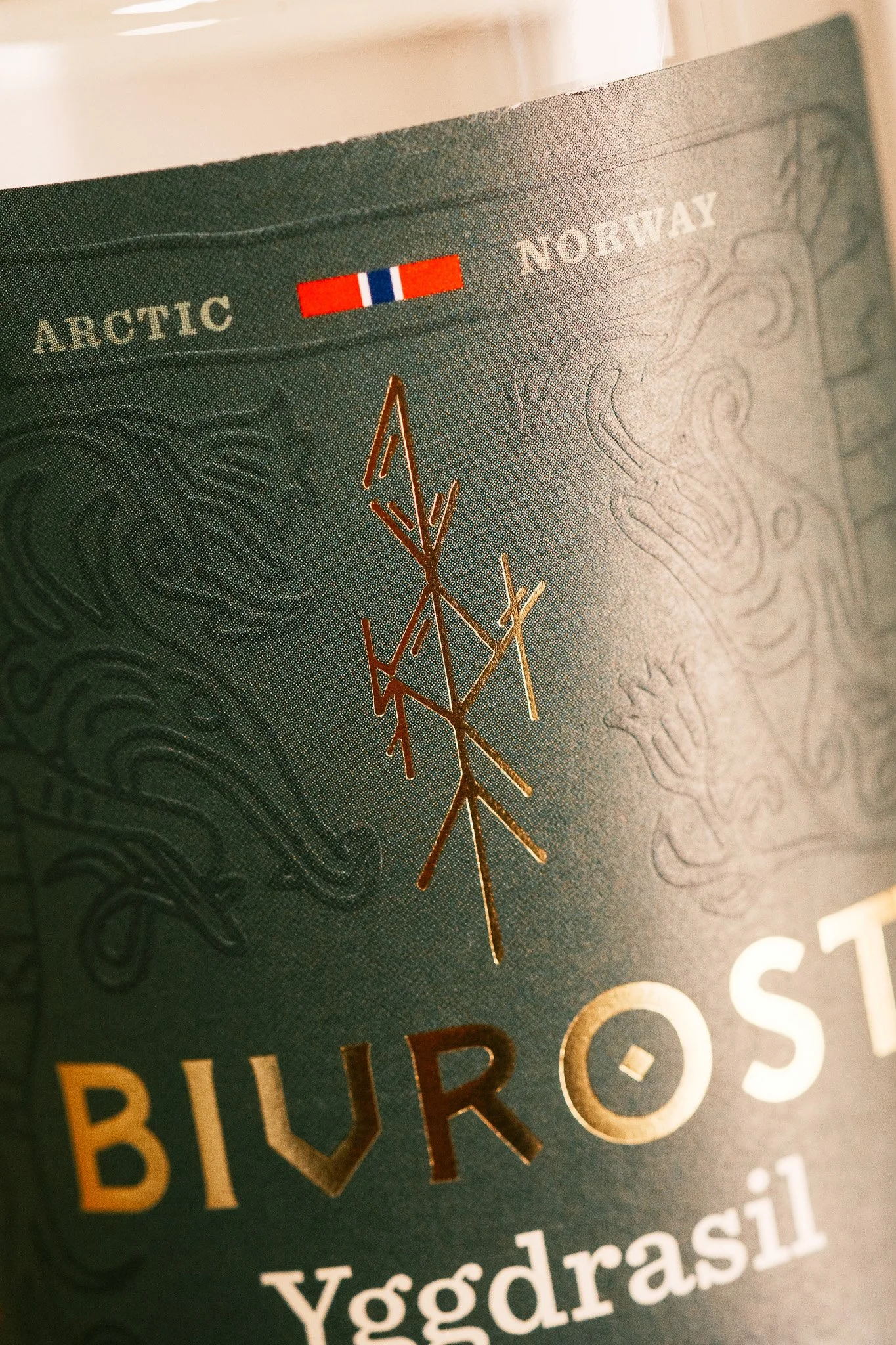
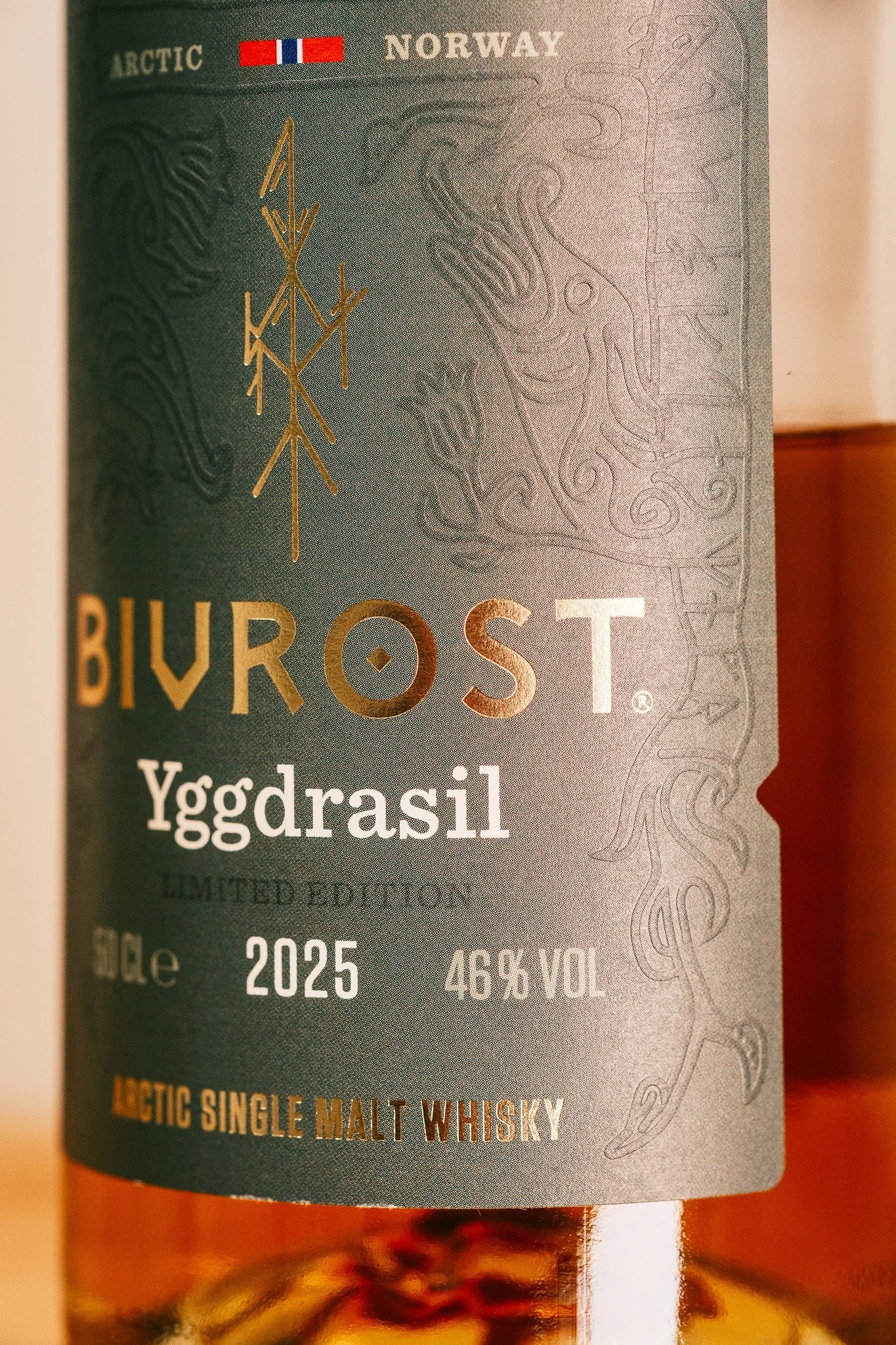
Aurora Spirit Distillery Bivrost Yggdrasil, Norwegian Arctic Single Malt Whisky, 2025 edition, 50cl, 46% ABV
£ n/a - gifted
This isn’t the first time I’ve tried this whisky. My friend snuck it into our annual blind whisky advent calendar, featured on Day 18. Blind, and working with a small-ish sample, I gave this a 5/10 and the collective rankings of other participants was ever so slightly above average as well. At the time, I thought this was “a high-rye bourbon. Got the spices and virgin oak thing going on. It’s a good average whisky with enjoyable flavours.”
Now with the bottle in hand, and some more time and liquid volume available, I’m diving in again.
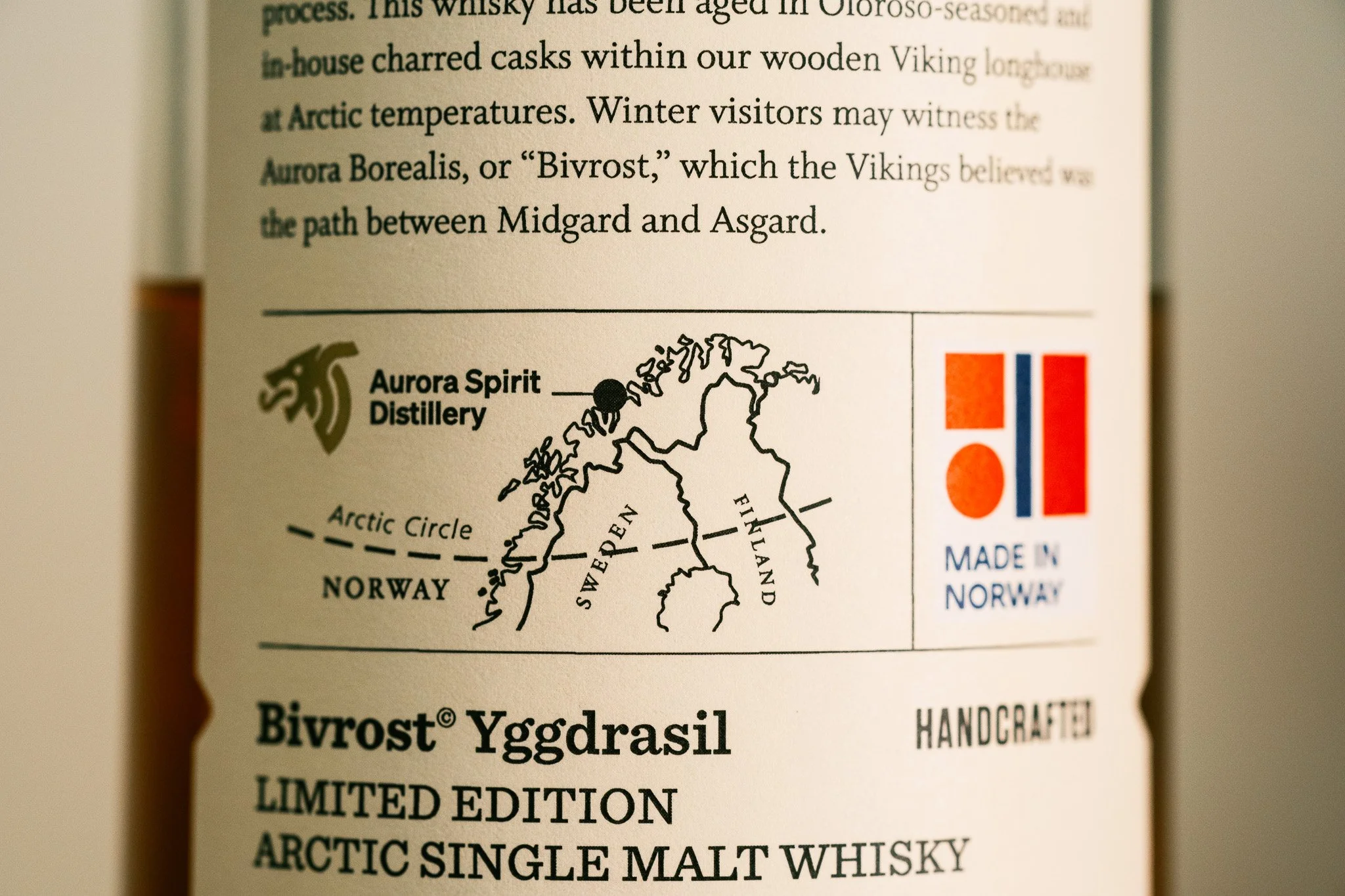
While I could attempt a regurgitation of the official website, I’ve elected to do the ole copy-paste maneuver: “Yggdrasil is a product of the world’s northernmost distillery in Arctic Norway. It is made with Nordic malted barley, glacial meltwater, and a complex fermentation process. This whisky has been aged in Oloroso-seasoned and in-house charred casks within our wooden Viking longhouse at Arctic temperatures. Bivrost® Yggdrasil is the first “core Whisky” from the World's northernmost distillery. Arctic temperature variations impact its maturation, with an average yearly temperature of 0.6°C.”
YEAST: Lager yeast (Saccharomyces pastorianus) & Old English ale yeast (Saccharomyces cerevisiae).
MALT: Pilsener Malt, made from Planet and Popino Nordic barley. & Peated Distillers Malt (55 p.p.m).
WATER: Water sourced from Elvejordvannet, which receives melted glacier water from the Lyngen alpine range.
DISTILLED: Distilled in 2018 – 2021, with two active plates in our copper pot/column still. Average distillation time ranges between 8 – 10 hours, average strength heart collected of undiluted new make is around ~75% abv.
CASK HANDLING: Yggdrasil was matured in Oloroso seasoned and in-house charred casks. Maturation age varies between 4 to 6 years.
Score: 6/10
Good stuff.
TL;DR
Don’t judge, everything is better than you might suggest
Nose
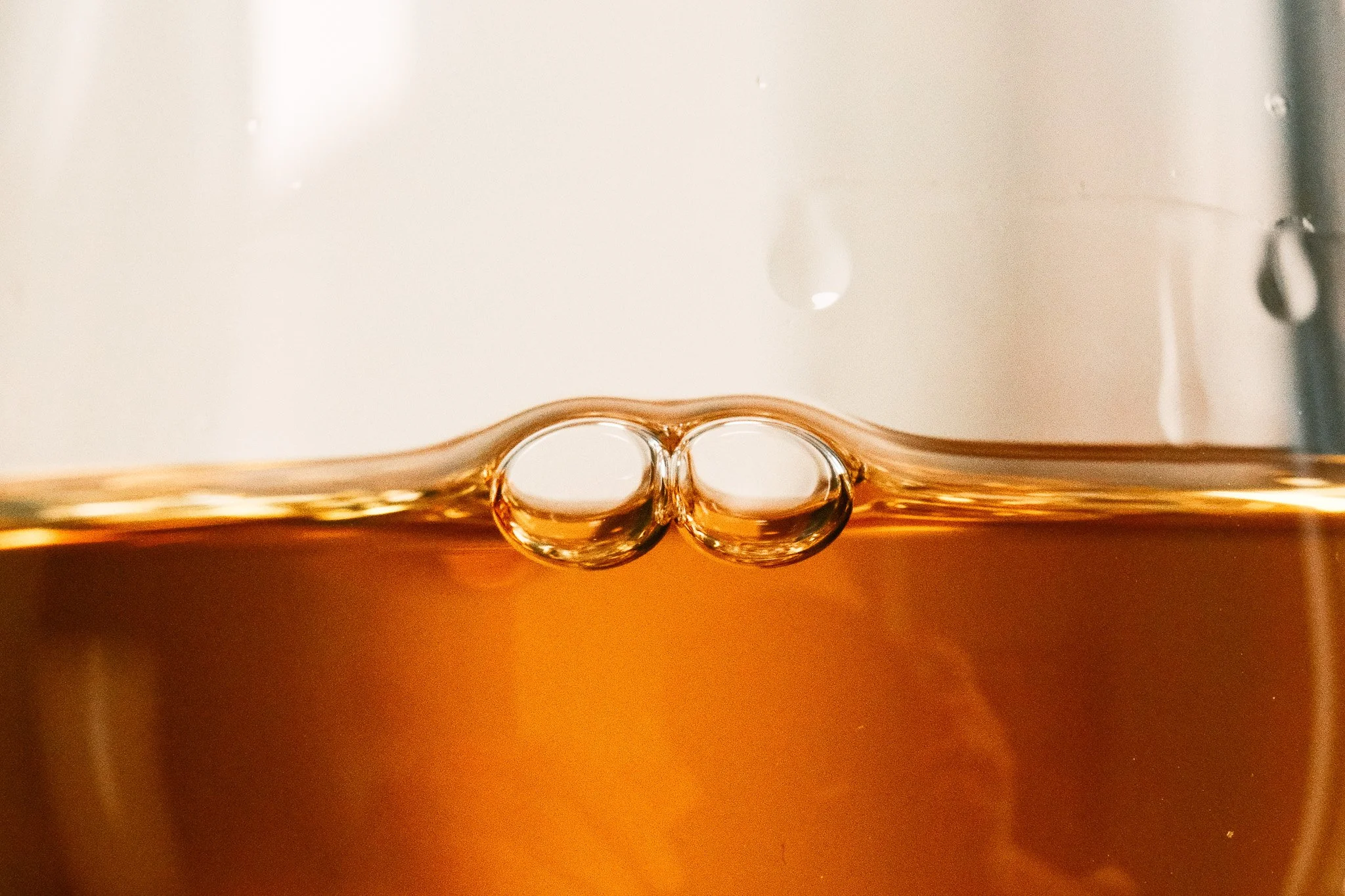
Soft buttery pastry. Cinnamon and nutmeg. There’s a floral element here, like juniper and apple blossom. Pine resin.
Palate
Very gentle entry, soft and sweet. Delicate but indistinct sherry sweetness, like butter tarts and candied walnuts. Or it could be a heavily spiced loaf with some icing drizzled on top. Gingersnap cookies. Some cinnamon, then a maple-like sweetness on the medium length finish with a good full mouthfeel (not syrupy, not thin, but somewhere in the middle).
The Dregs
Given the young age here, this drinks remarkably well. No sharp edges. No traces of that “craft” distillery taint. Just quality whisky.
I’ve amended my original score of a 5/10 based on a sample and a “heavy” drinking month to a higher 6/10. This whisky squeaks into that spot because of the flavours and mouthfeel.
A weird sidebar: this is supposedly peated. The official tasting notes have peat smeared across the nose and palate but I’m not getting a single peat-related note. Nadda. Nothing. I can generally pick up peat fairly easily in whiskies but I’m not getting anything here. Admittedly, it would appear that both unpeated and peated malt are used however I would wager that the proportion of peated malt is small and the relatively high heart cut (75% average) also precludes collection of a significant amount of heavier phenolics that usually come out at the lower cut points. I would say that the presence of peated malt is likely contributing to the more complex flavours, mouthfeel, and length of finish despite the age and the maturation temperature.
North of the Arctic Circle is a cold place, which means slow maturation, which theoretically means harsh new-make like qualities at older ages. Of which this is not. The experience is well-integrated. Edges rounded. Flavours developed. Off-notes eliminated.
Quality whisky from an unexpected place and unforgiving environment.
Open challenge to the world: why can’t you do the same? If you have the clearest wort, narrowest heart cuts, a “hacked” barrel program (STR), and tropical maturation, then why can’t you turn out good malts worthy of a Broddy score (ahem, Jim Swan distillates)?
These folks, well north of the Arctic Circle, have figured out how to make an interesting and well-rounded single malt in conditions that would freeze the bollocks off most people. Straight up.
Those are my people.
længe leve Nordisk!
Score: 6/10
Tried this? Share your thoughts in the comments below. BB
-
Dramface is free.
Its fierce independence and community-focused content is funded by that same community. We don’t do ads, sponsorships or paid-for content. If you like what we do you can support us by becoming a Dramface member for the price of a magazine.
However, if you’ve found a particular article valuable, you also have the option to make a direct donation to the writer, here: buy me a dram - you’d make their day. Thank you.
For more on Dramface and our funding read our about page here.