German Single Malt Whisky | 45% ABV
Score: 4/10
Some promise.
TL;DR
More ‘nein’ than ‘nine’, but intriguing
Old World vs New?
As I begin writing this piece for today’s review, I’m coming down from another incredible and heart-filling trip that was the Glasgow Whisky Festival weekend.
I don’t think I’m wrong in thinking that a good few upcoming preambles and stories from the writing crew here at Dramface will cover the weekend at length, with a fabulous turnout from our team visiting Glasgow for all the festivities. Plus, there are better scribblers than me to cover how amazing it was. Spoiler: It was perhaps the best one yet.
Before the weekend, Mrs. Fraser had said “You don’t seem as excited for this weekend as you normally are”. She was correct, I just hadn’t gotten there yet. The weeks from September to the Festival weekend were probably the busiest I’d been this year. With international colleagues visiting Belfast from the US and Japan, followed up with some work trips abroad, I was pretty spent. I had little to no headspace for anything else but work.
It was the theme for the whole year actually.
However, once my weekends rolled around, the plans and activities were such as to clear the head, have a bit of fun and take back the downtime; I had to ensure it wasn’t wasted nor put to nothing. Things such as weekend trips, more catching up with friends and family, not to mention dinner and drinks, have been put to good use this year, and we’re not done yet. I also found a lower urge to pour a dram and buy some new bottles. Between not being in the mood previously, with new releases just not pulling me in, my attention turned to other drinks; more beers and lagers, especially during our hot, dry summer. However, much to our Ainsley’s delight, this year for me has been mostly a year of wine.
I’ve always enjoyed both red and white wine while at home or out for dinner. I’m lucky to be able to attend a few secret blind tasting sessions that are held twice a month at a local wine merchant. This has introduced me to new styles, varieties and countries I would never have had the opportunity to try before. Coupled with purchasing a few wine books to learn about the history of wine, alongside the typical countries and regions involved as well as the popular grape varieties (given there are thousands): like whisky it’s a slippery slope in terms of tasting and buying - a rabbit hole we are all too familiar with.
So, while I've been working my way through wine books, journals and YouTube channels (Ainsley will hate this, but I'm a big fan of Tom Gilbey. The closest wine equivalent to Ralfy is probably the best way to describe him), I kept coming across one distinction that seemed to crop up repeatedly: Old World versus New World wine.
At its simplest, it's a framework that separates the traditional wine producing nations of Europe, such as France, Italy and Spain, from countries that established their reputations much later, including Australia, New Zealand, South Africa and the United States. Of course, the distinction isn't quite as neat as geography alone, but it provides a useful starting point.
More importantly, the Old World versus New World conversation is really about tradition and innovation. Broadly speaking, Old World regions tend to place greater emphasis on appellation, regional identity and established production methods, while New World producers have often enjoyed greater freedom to experiment with grape varieties, winemaking techniques and styles. That's a simplification, but it's enough to illustrate why the concept stuck with me. The more I read, the more I found myself wondering whether a similar distinction could be applied to whisky.
The language of wine gives us a convenient way to divide tradition from innovation, old from new. The ideas around these traditions on some of the differences (but not all) of how a country would fall into old or new could be around appellations within a region versus experimentation. Or terroir-led identity and tighter conventions versus greater freedom around grape varieties and production (again, a limited list and not covering all aspects).
The comparison isn't perfect. Whisky doesn't have the same relationship with place that wine does. While a vineyard, vintage and grape variety often define a wine's identity, whisky is shaped by a wider collection of variables - for example distillation, still design, maturation conditions, cask selection and countless choices made along the way.
Yet the question remains an interesting one. If wine can be viewed through the lens of the Old World and New World, where does modern whisky sit? Scotland and Ireland may be the traditional heartlands of the category, but innovation is no longer confined to them. Distillers around the world are experimenting with local grains, alternative cask types, different maturation environments and new approaches to production. At the same time, many Scottish distilleries are becoming more adventurous themselves, moving beyond long-established conventions and embracing change.
Perhaps that's why the Old World versus New World comparison eventually breaks down. Whisky's future doesn't belong to one region or another. It's becoming less about where the spirit comes from and more about the quality of ideas behind it. The next chapter may well be written in Scotland. Then again, it could emerge from France, England, Australia, Taiwan or somewhere else entirely. Wherever there are barley fields, copper stills, oak casks and people willing to challenge expectations, whisky's story and style will continue to evolve. Could it even be Germany?
Review
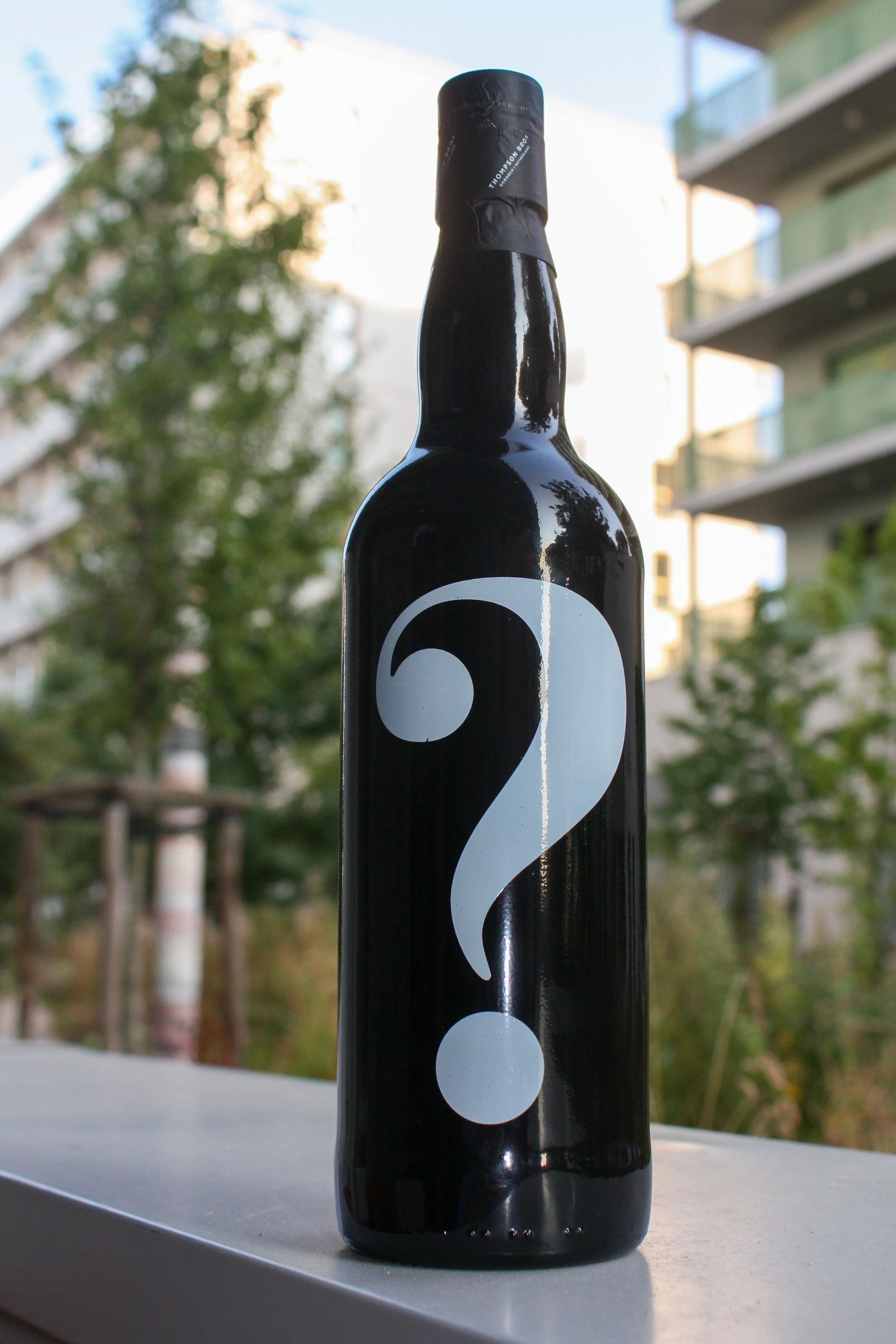
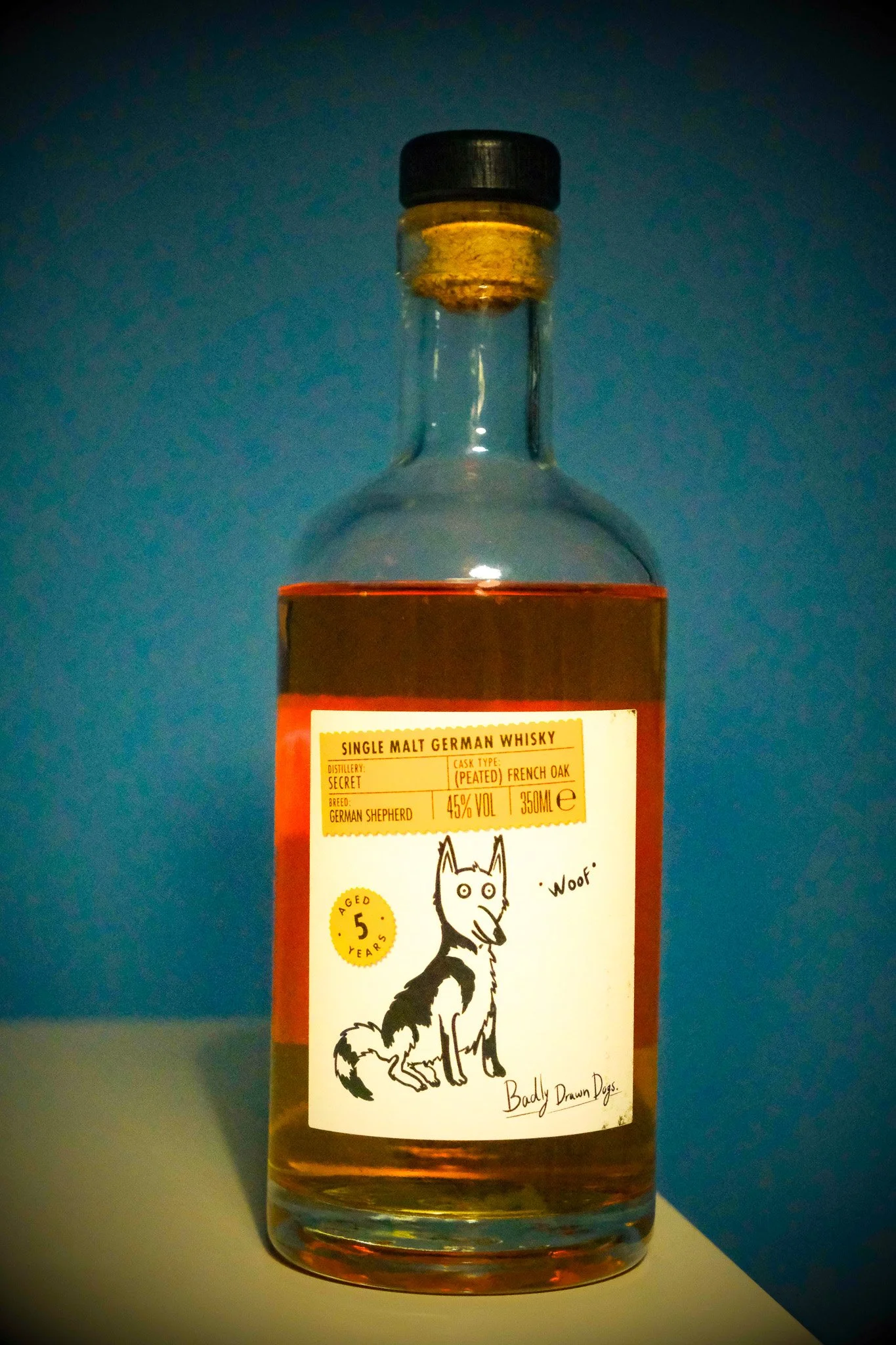
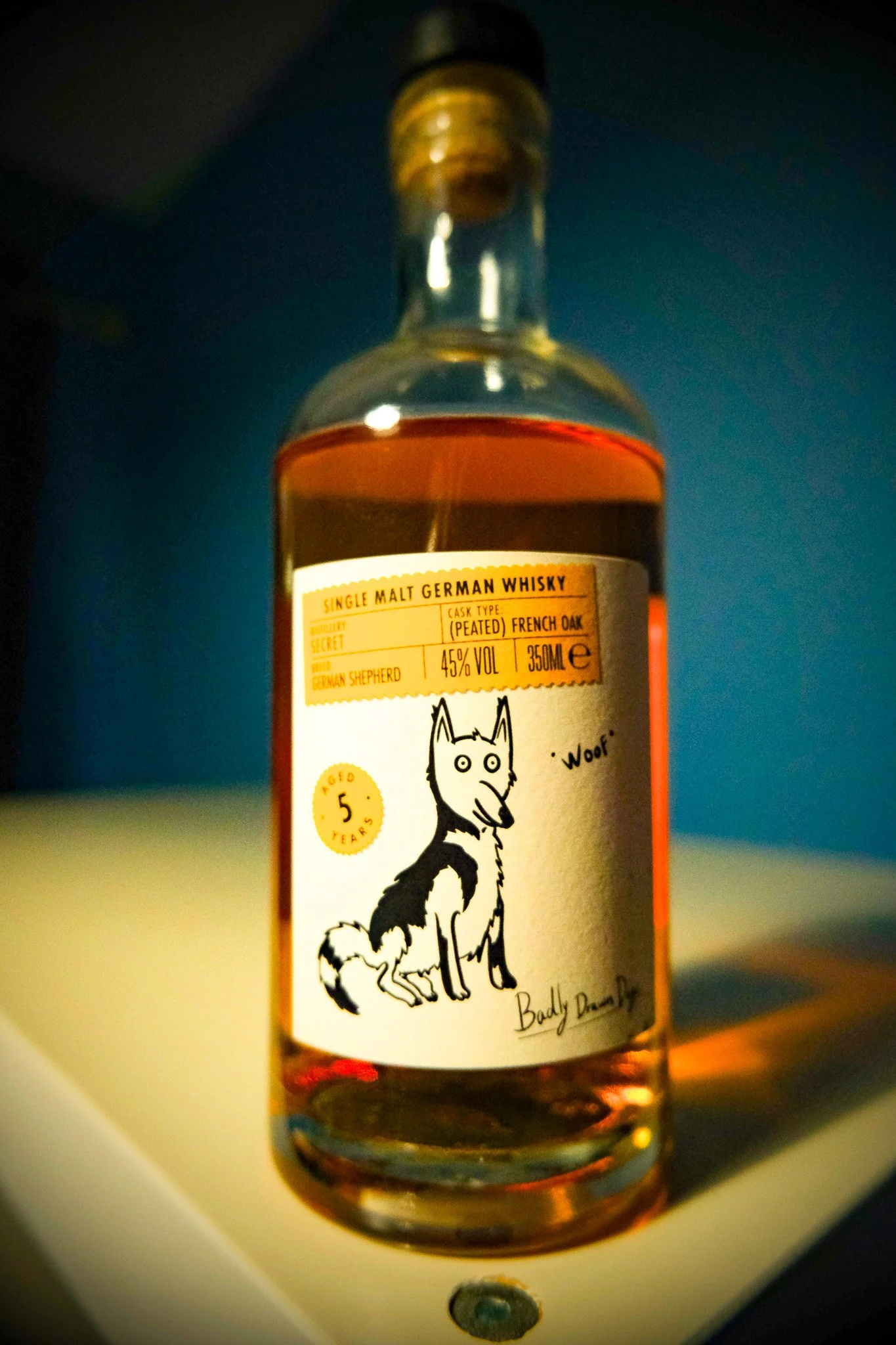
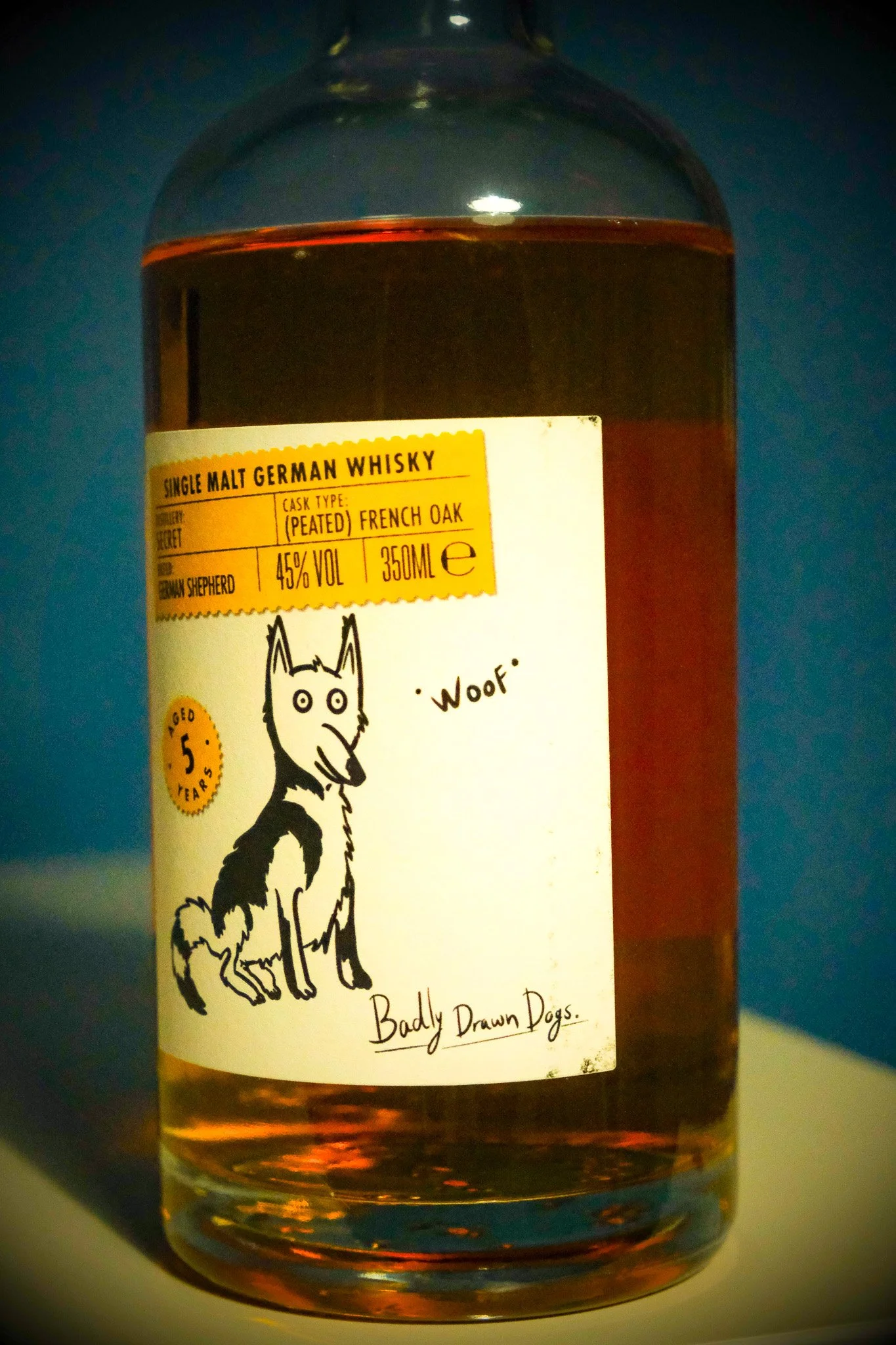
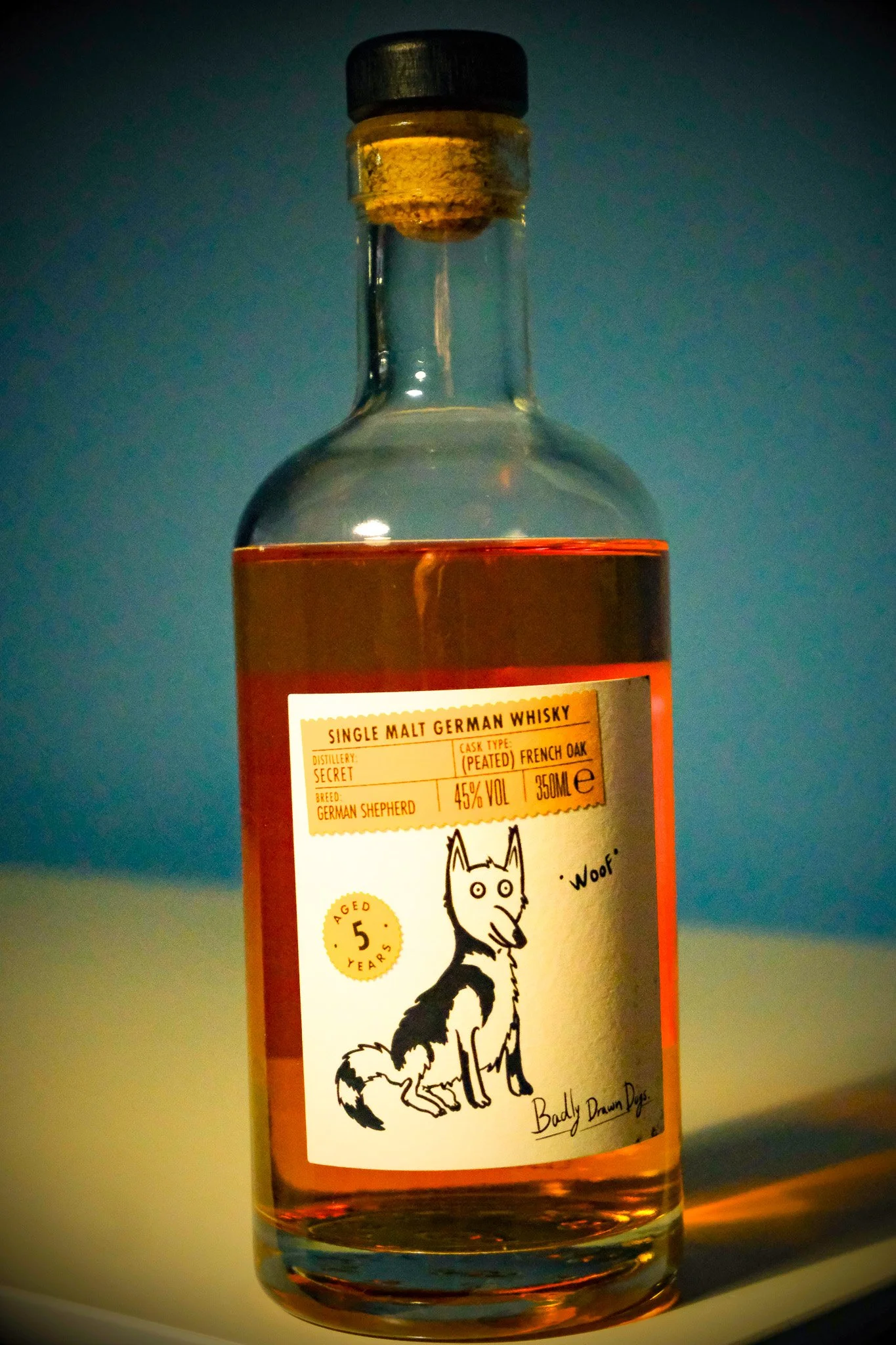
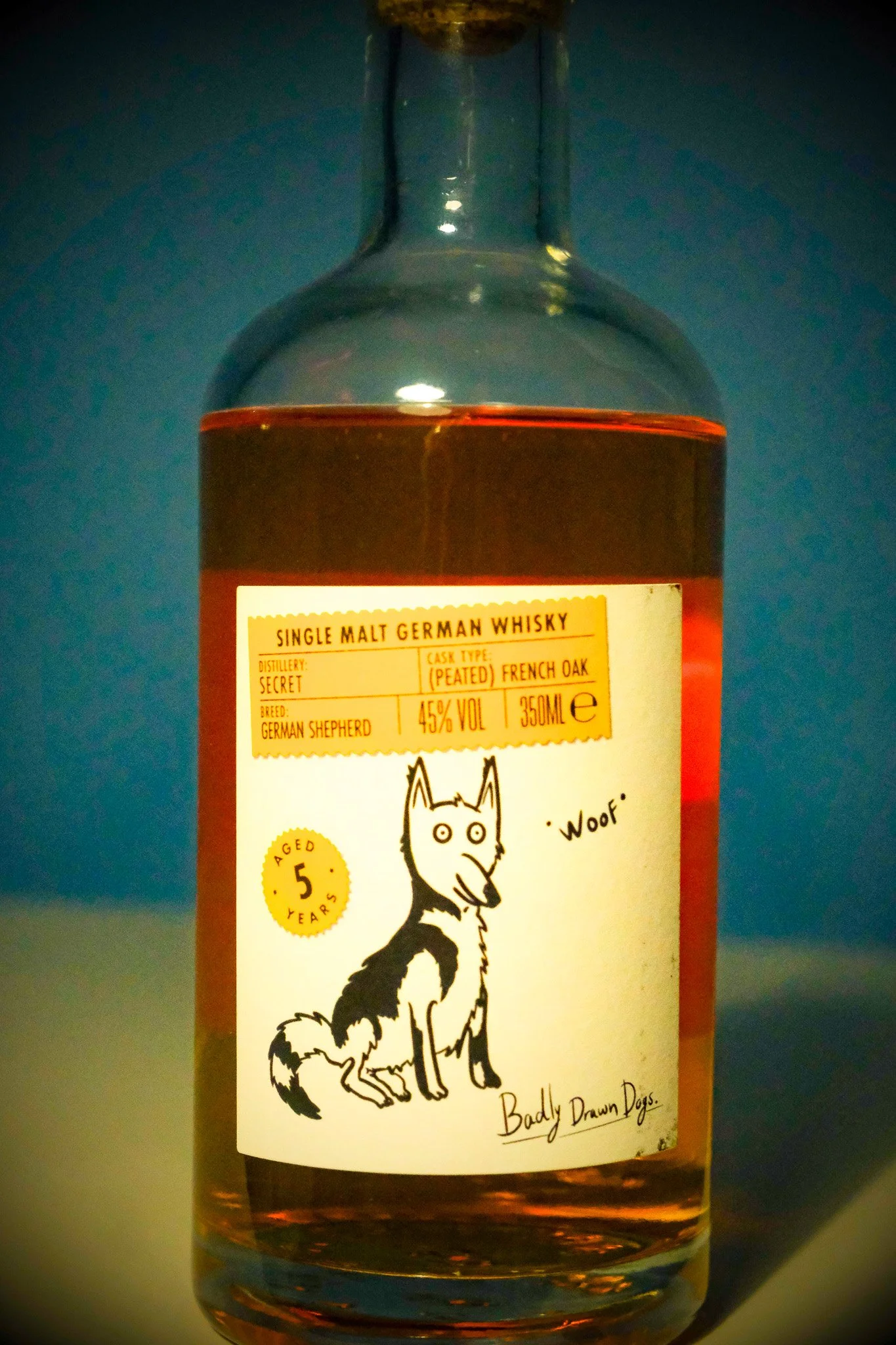
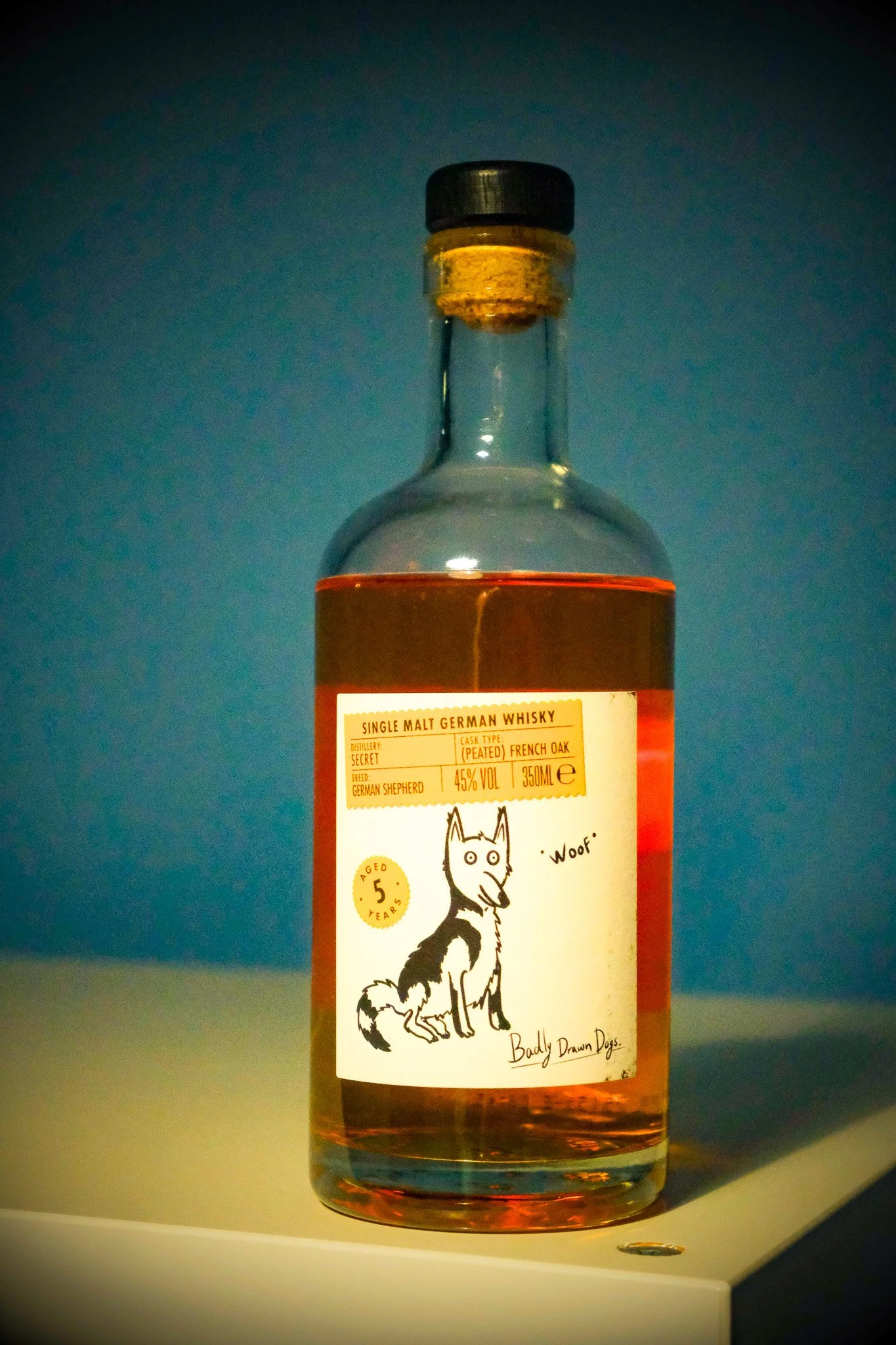
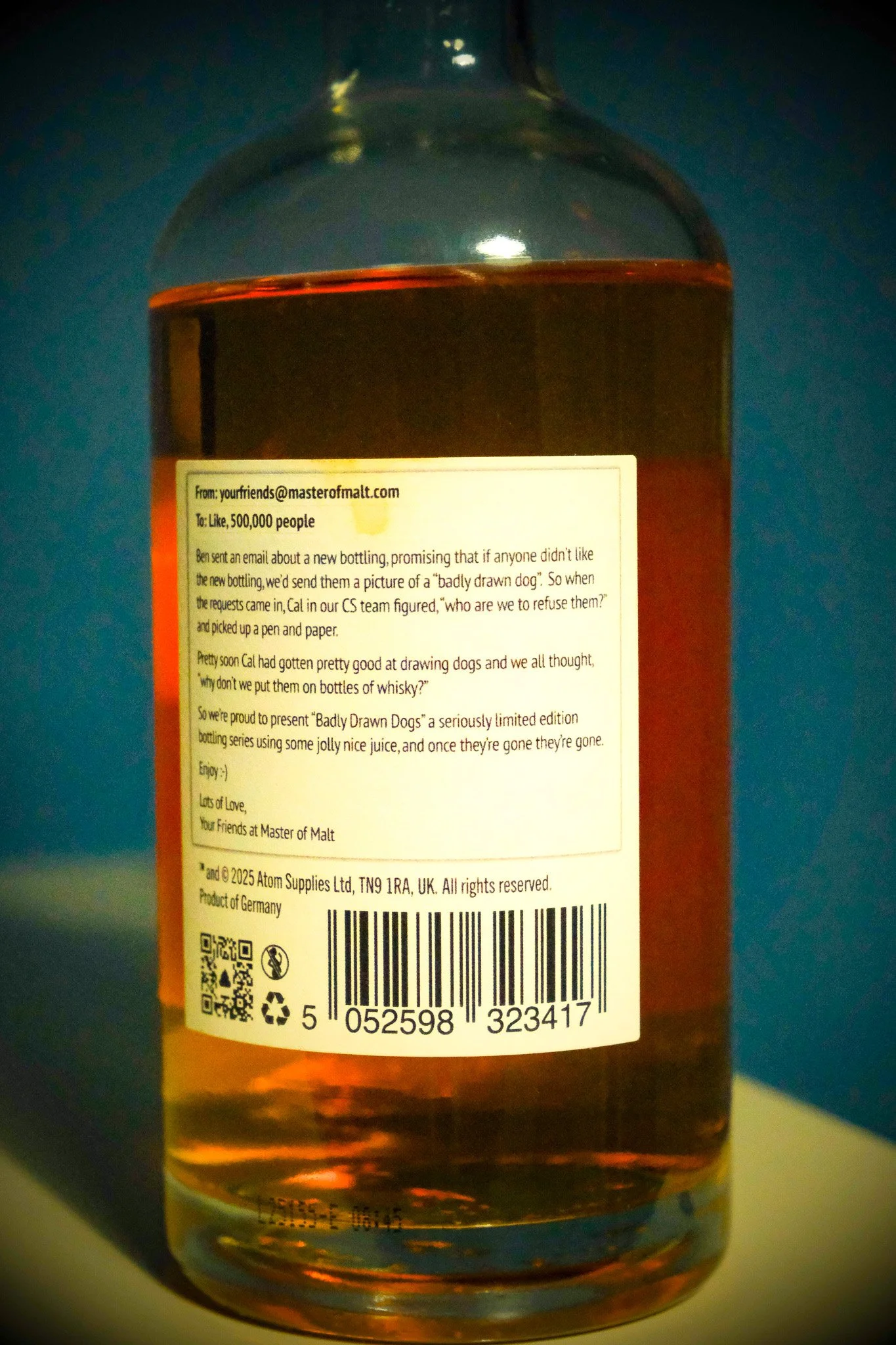
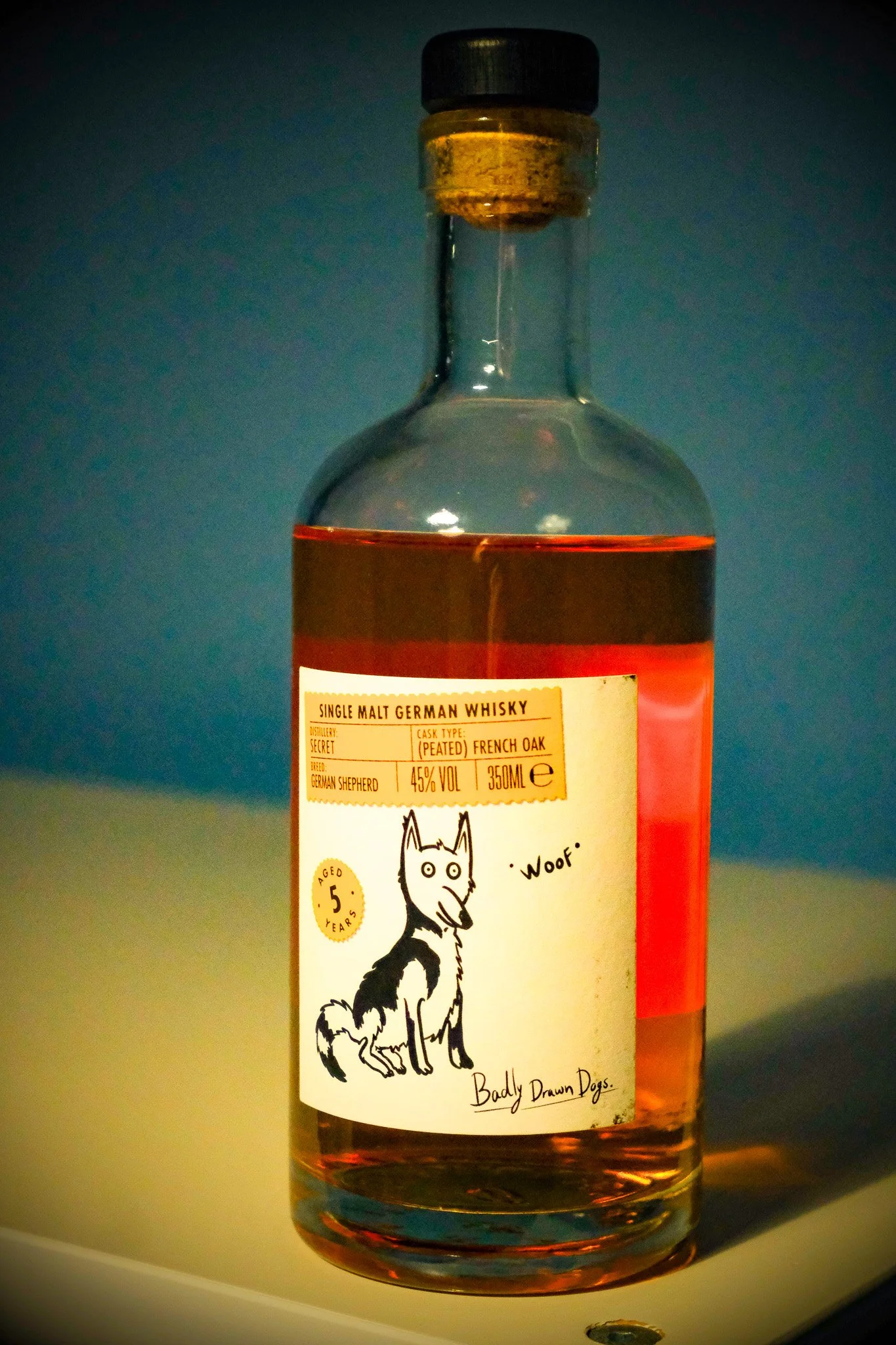
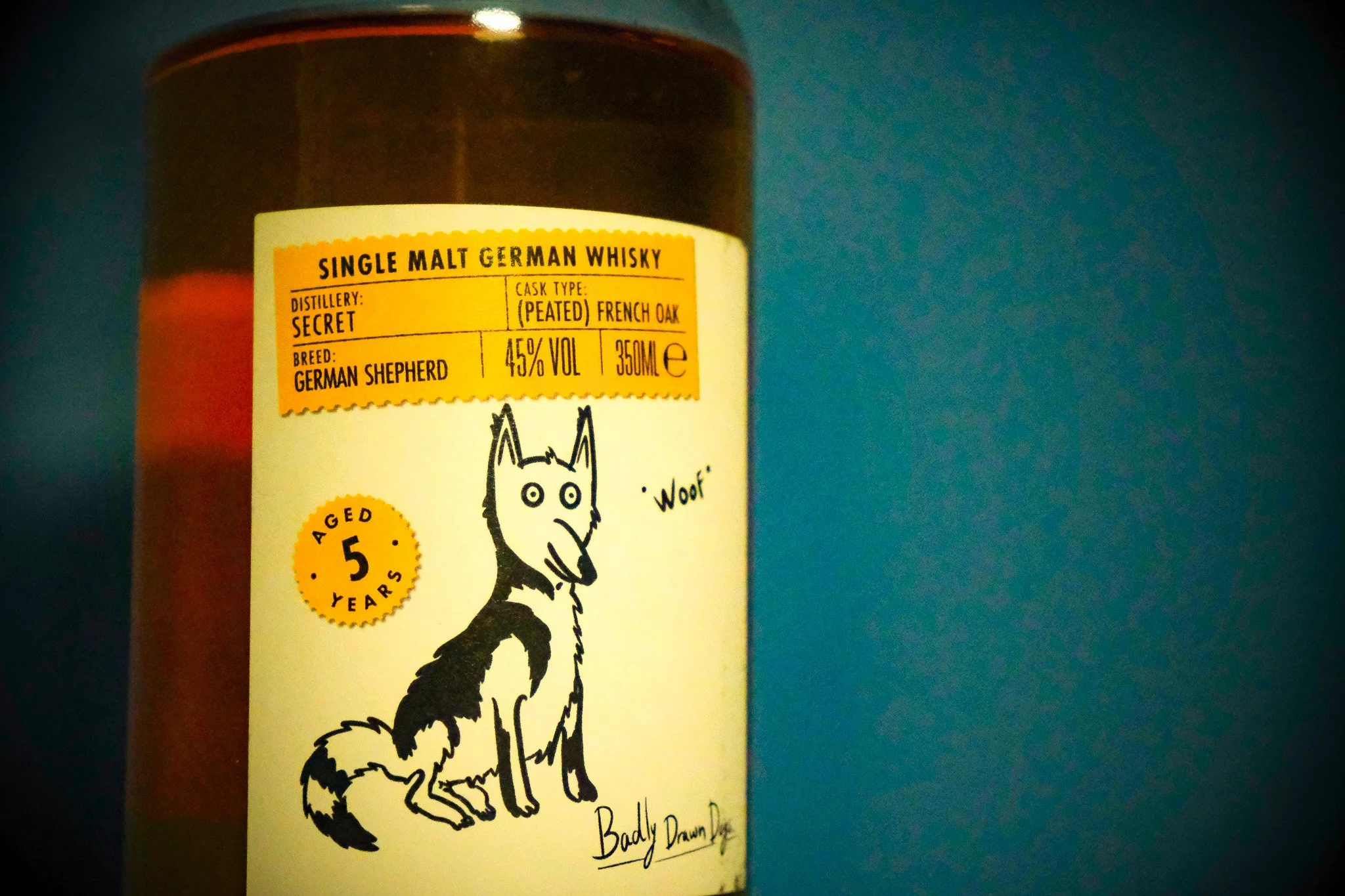
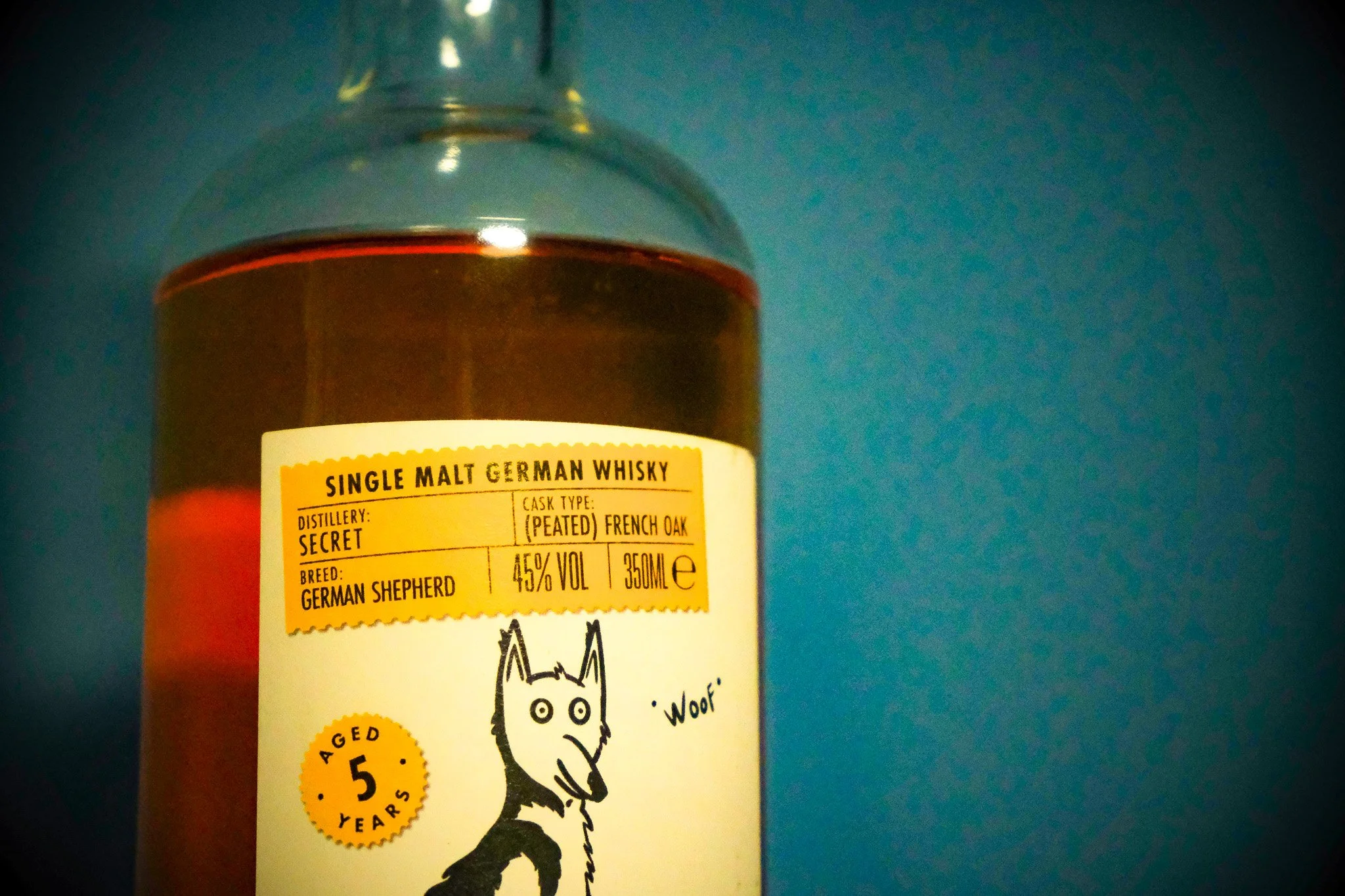
Badly Drawn Dogs, German 5yo, German Single Malt, Master of Malt, 45% ABV, 350ml.
£25 paid, now sold out
When thinking about where whisky's future may be written, it's perhaps fitting that the dram in front of me comes from a country not often mentioned in the same breath as Scotland or Ireland. Germany and whisky aren’t two words I’d often associate with each other, plus this is the first German whisky I’ve ever come across and tried. Hence why I was intrigued to pick it up for £25.
In this case, however, the producer (via the Master of Malt) is undisclosed, and unfortunately I’m not familiar with German whisky producers or their style to guess who this might be from. The bottle is simply labelled "A Secret German Single Malt", a five-year-old whisky matured in a peated French oak cask and bottled at 45% ABV.
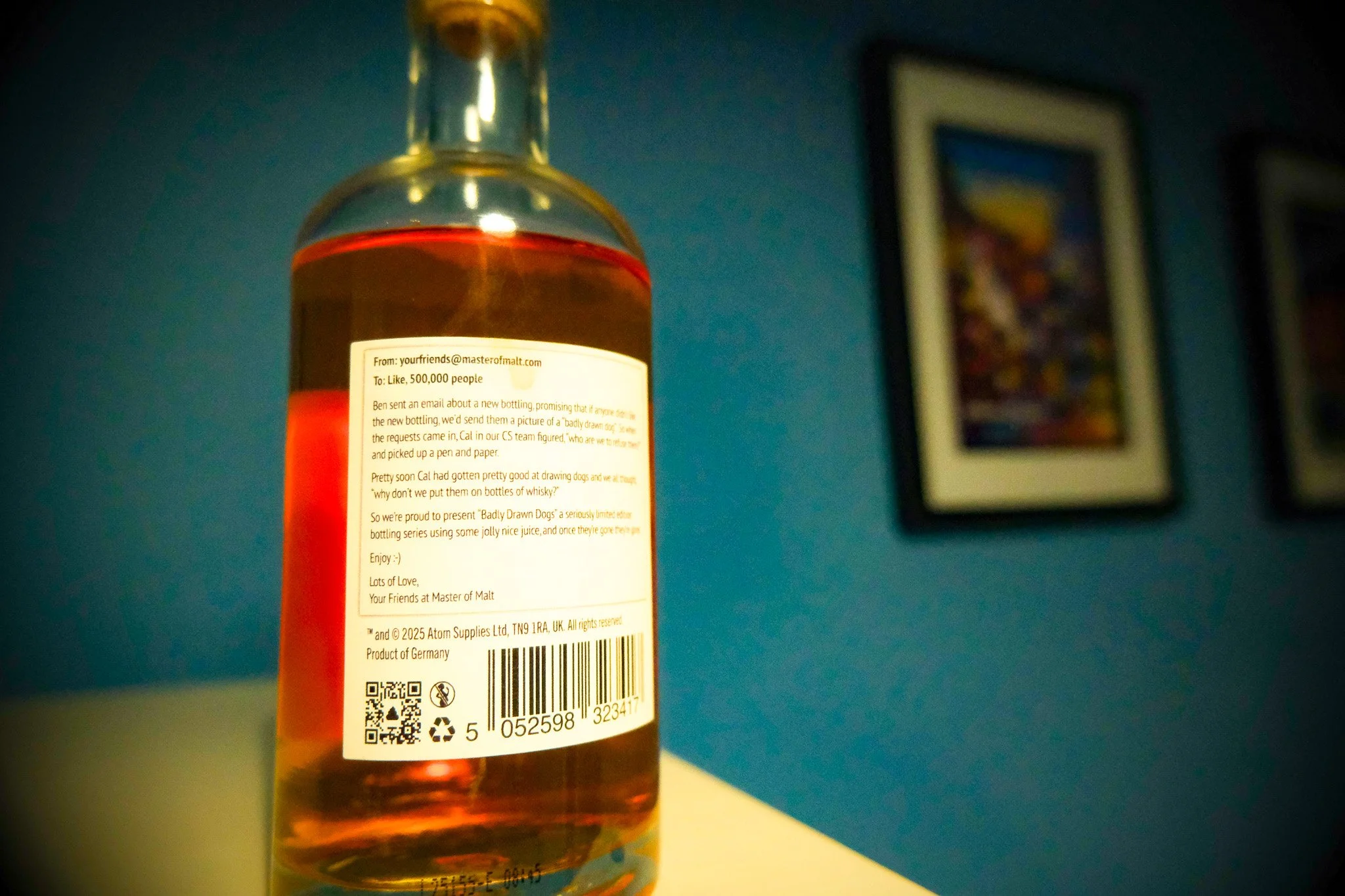
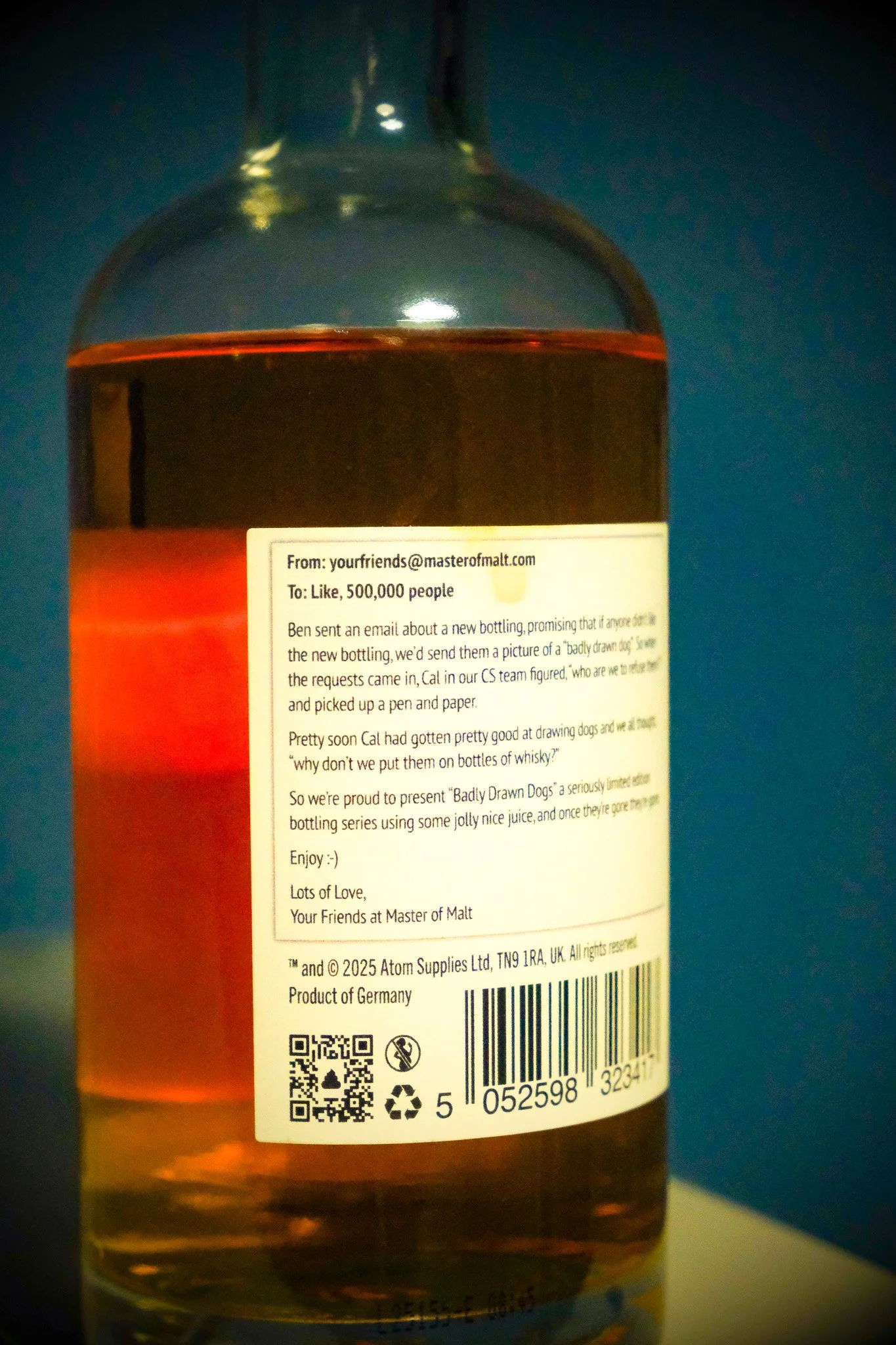
This bottle is from Master of Malt's Badly Drawn Dogs range. A range that includes releases from both named and unnamed producers. Distilleries such as Balmenach (that I have yet to pick up) and Invergordon are openly identified elsewhere in the series, suggesting the omission here is deliberate.
And perhaps that's the most interesting part. While I spent the opening of this review pondering Old World and New World ideas in both wine and whisky, this bottle arrives without any of the usual signposts we'd normally rely upon. No distillery name, no sub-region or information on how it’s produced… just a German single malt and the opportunity to discover whether it can stand on its own two feet.
Score: 4/10
Some promise.
TL;DR
More ‘nein’ than ‘nine’, but intriguing
Nose
Nail varnish remover. Sweet peat initially. Wood chippings. Some lemon and green apples. Iodine, brine and sea salt. Grass clippings, rubber and marzipan.
Palate
Leafy and earthy. Soft mouthfeel and it coats the tongue quite nicely. A soft prickle on the tongue and a super long peated finish. There is a citrus blast mixed in with the brine and salt from the nose. It contains a bit more from the nose in oat biscuits and a little lick of honey in there too. It’s quite overpowering and one dimensional if I’m honest.
The Dregs
It’s not bad but it’s not good either. I’ve had worse, and it’s brought back memories of that horrible Kilchoman Loch Gruinart I reviewed a few years back (goes to show that even the popular Scotch distillers can get it wrong).
Overall it’s softer on the palate than I expected, with little to no alcohol burn which was my assumption ahead of pouring and tasting this German number. It’s not overly complex, but not offensive, and might scratch that Islay itch if you are looking for it as a cheaper version.
If more German whisky comes my way, I’d gladly pick it up again to see what else is in store. Hard to know where this is from and who produced it, which would have been nice in order to compare different expressions that might appear on these shores or online. Maybe if you know any more information you can share it in the comments or throw in a guess?
Would I recommend this whisky? No, but it hasn’t put me off the range or German whiskies. £25 for a new experience and a Dramface review, it was worth at least that.
Score: 4/10
Tried this? Share your thoughts in the comments below. HF
-
Dramface is free.
Its fierce independence and community-focused content is funded by that same community. We don’t do ads, sponsorships or paid-for content. If you like what we do you can support us by becoming a Dramface member for the price of a magazine.
However, if you’ve found a particular article valuable, you also have the option to make a direct donation to the writer, here: buy me a dram - you’d make their day. Thank you.
For more on Dramface and our funding read our about page here.