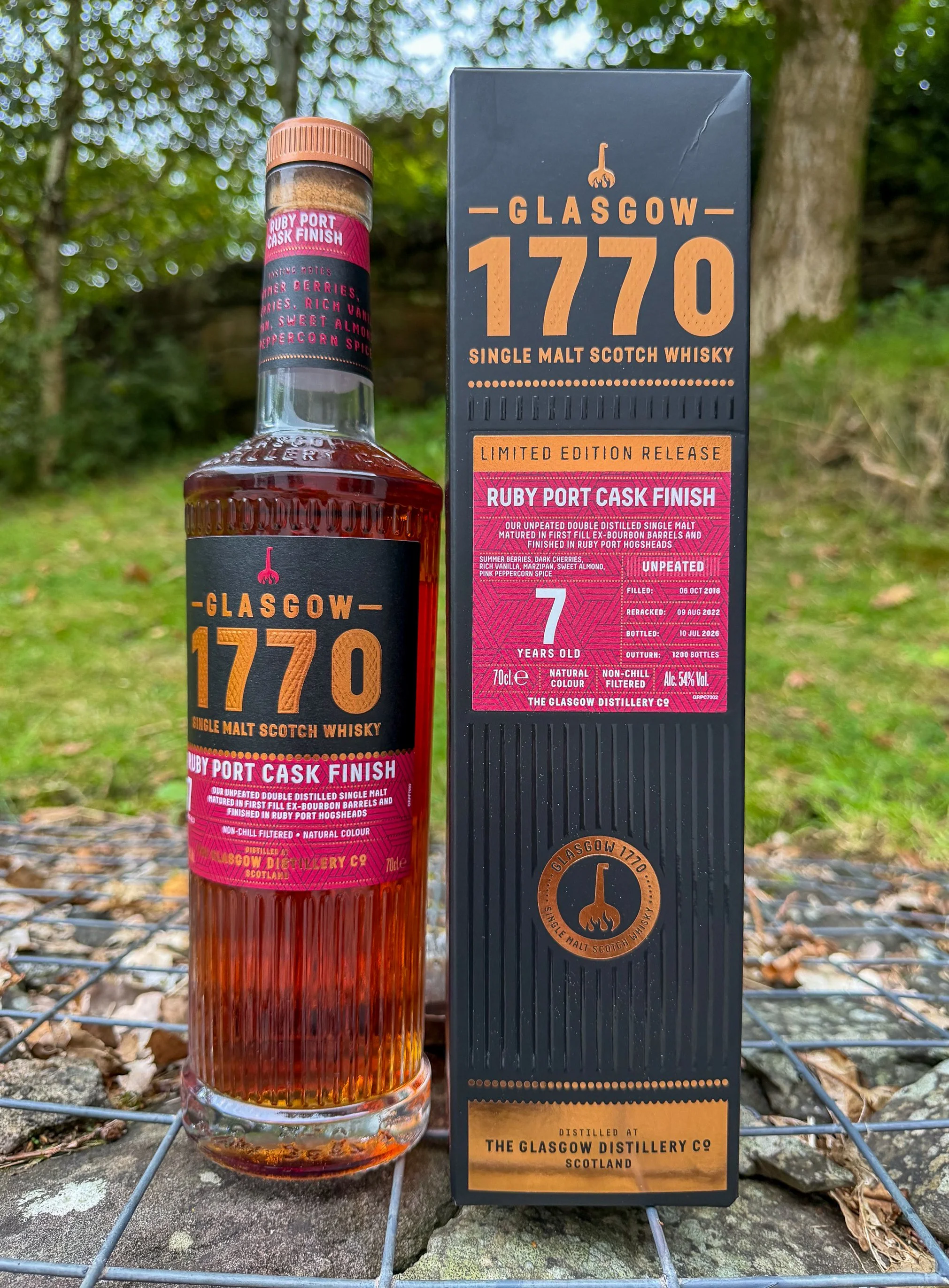
Official Limited Release, Batch 01 | 55% ABV

Score: 6/10
Good stuff.
TL;DR
Already good, but did it come too soon?
Is Young Whisky a New Benchmark?
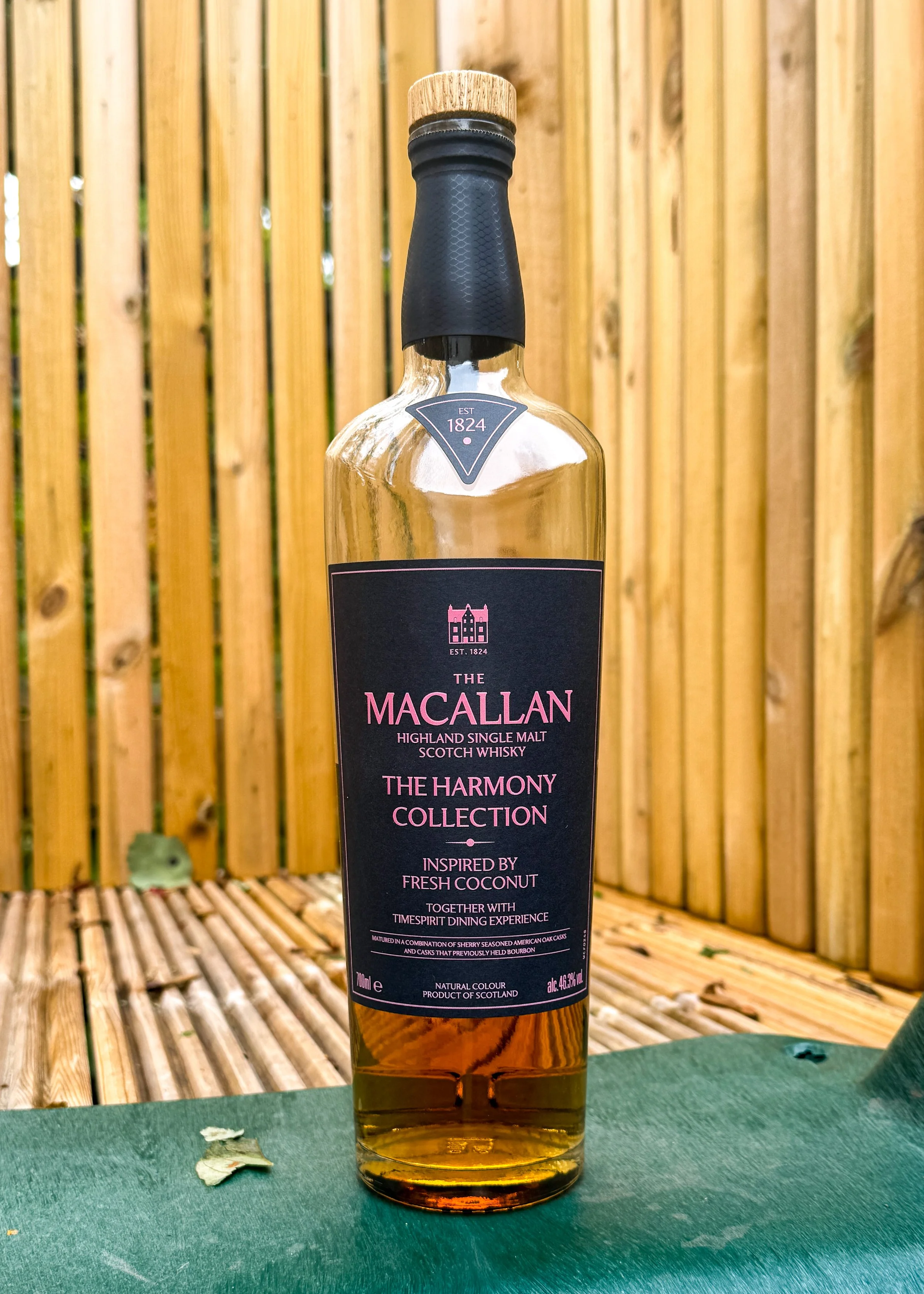
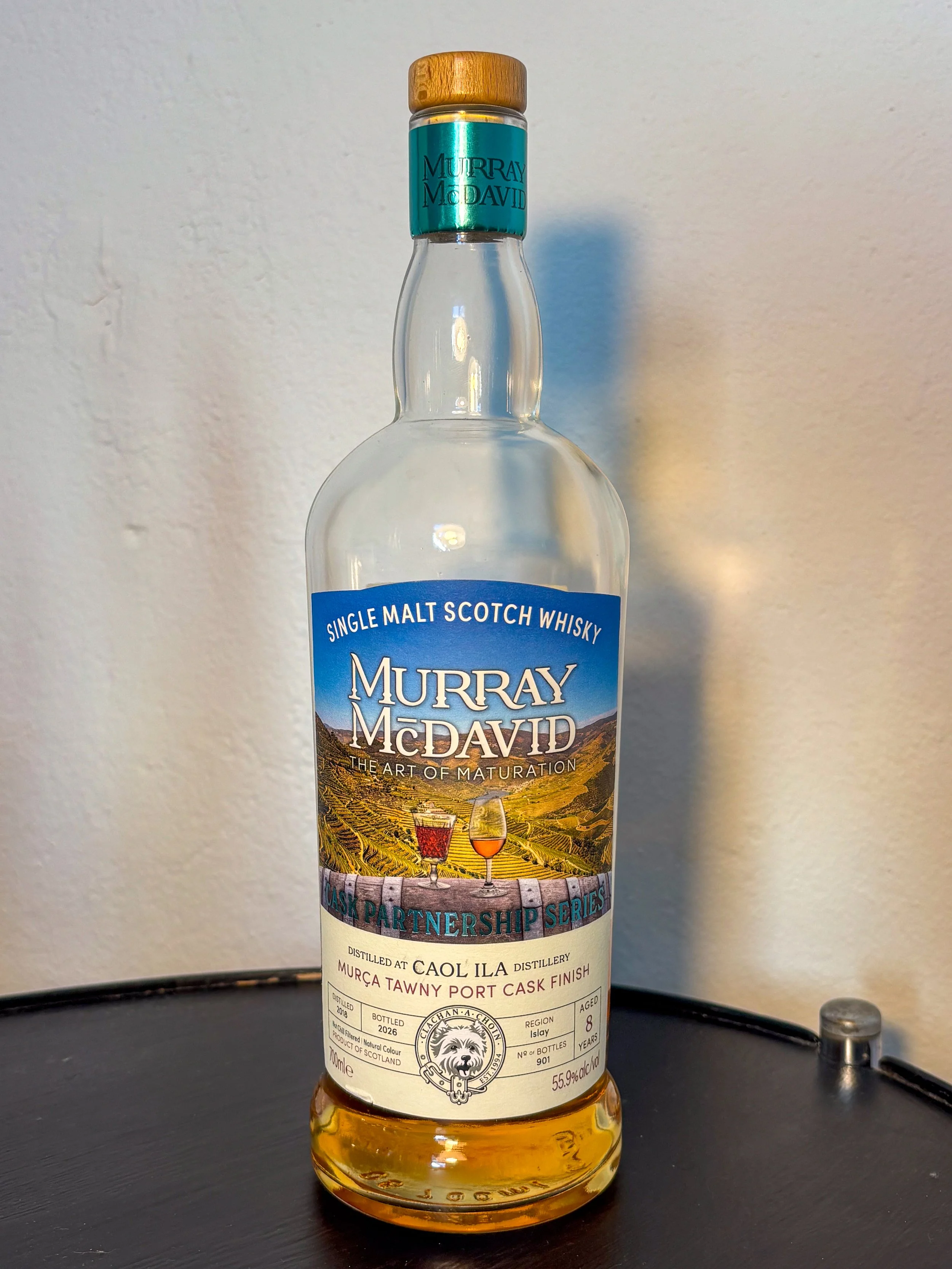
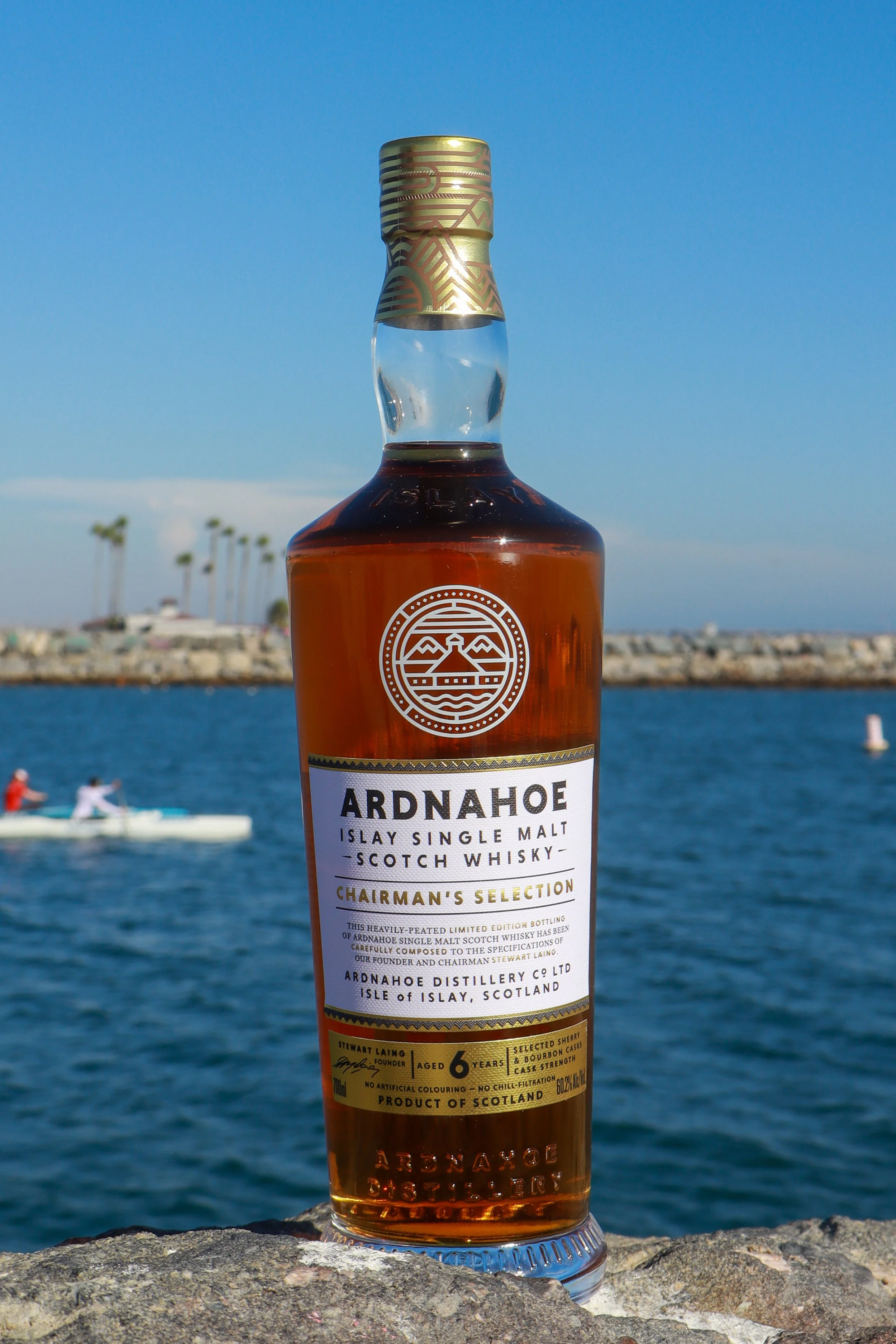
You could argue that this is a nonsensical question as there simply is no telling how old - or young - many whiskies actually are; we’re still in the age of the Non-Age Statement (see what I did there?).
The occasional producers providing full transparency aside, we can only guess what goes into, say, Ardbeg An Oa, Aberlour A’bunadh, Glenglassaugh Sandend or Oban Little Bay.
We all assume that it will be mainly young whiskies (anywhere between 3 and 9 years old) covering the bulk of those releases with ‘a bit’ of older stock in there to add some depth, ‘character’ or cask influence. I’ve been told by a few people in the industry who’re willing to lift the veil a bit that on average many of these NAS releases are about 7 to 8 years old. Which tells us something and also nothing.
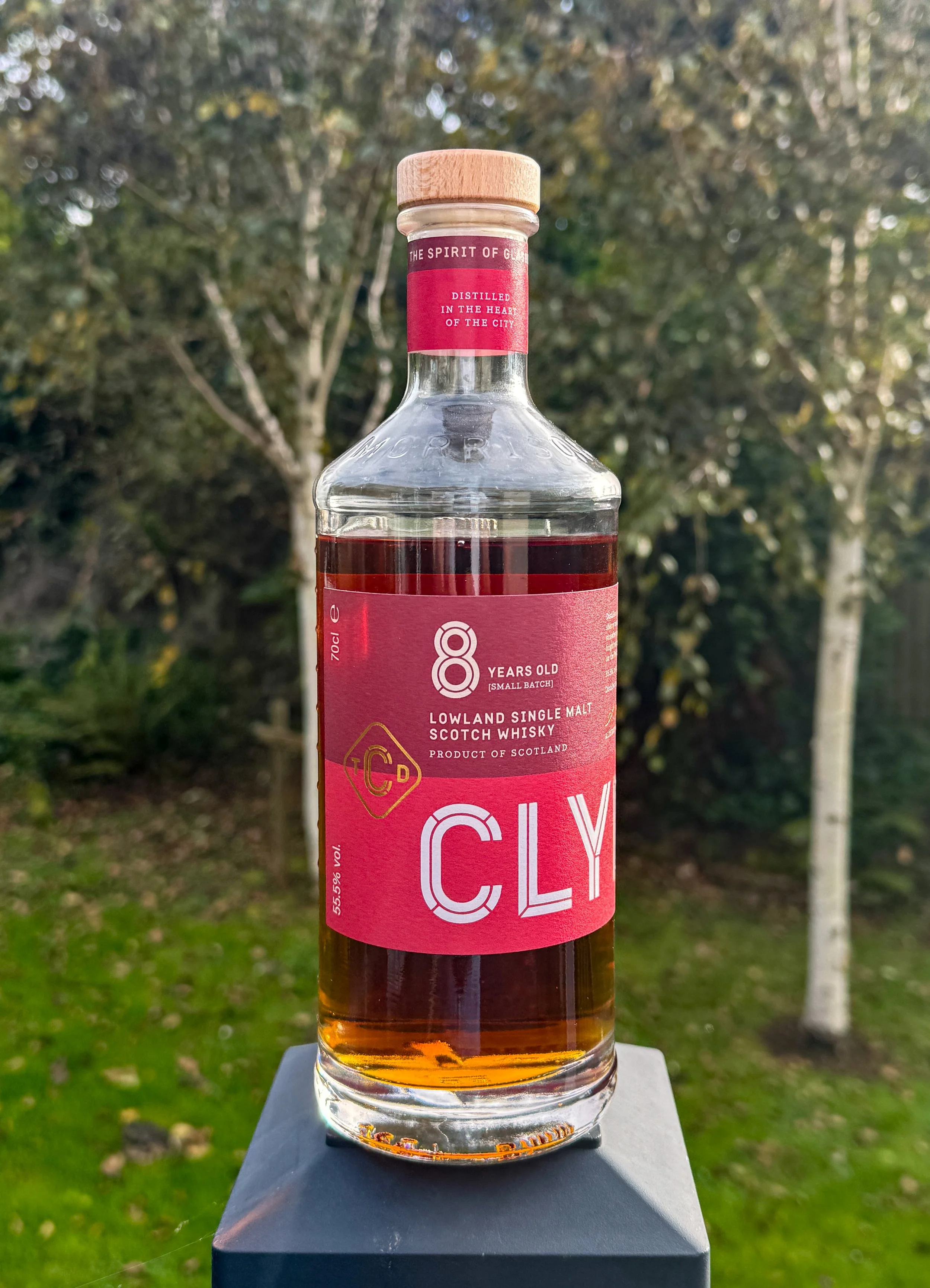
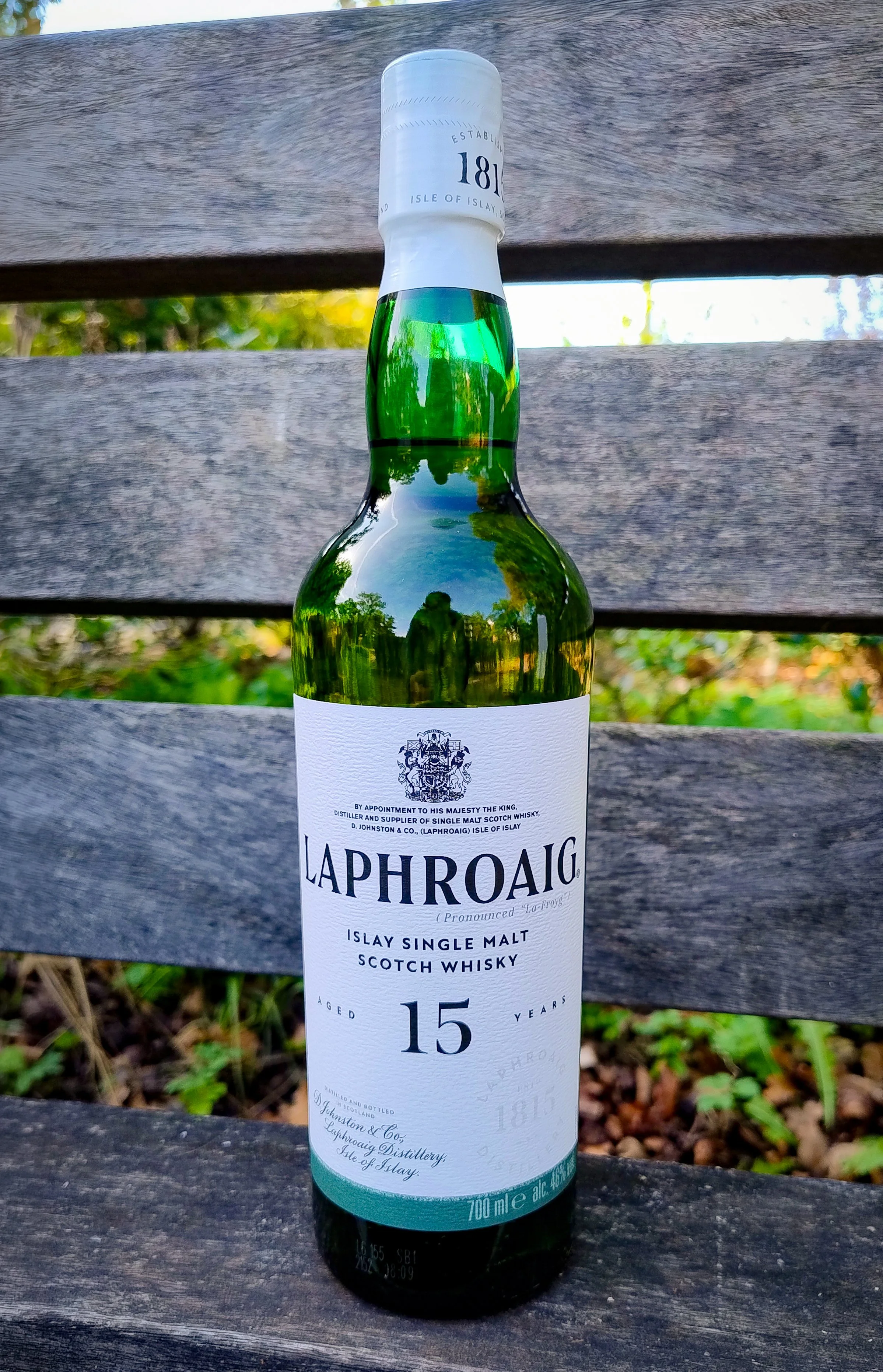
Take, for instance, something like Laphroaig Lore, which consists mostly of 6 to 8 year old whisky, with a ‘dash’ of significantly older stock of +20 year old malt in there too.
But that’s a topic worth discussing on another occasion, as that’s not actually where I want to take this. What I actually mean, is that with all the twenty-first century distilleries who’ve come to fruition in recent years, we, as customers, have been ‘exposed’ to a lot of young whisky. And for the sake of argument; by young I mean ‘single digit’ aged spirit, essentially older than 3 but younger than 10 years old.
So much so, I’ll argue that, especially post covid, the profile of these young whiskies has become at the very least part of the benchmark, in terms of taste, in terms of quality, etc…
I’m obviously generalizing things here a bit, but roughly a decade ago for many consumers and producers it was still very much all about the cask and the bigger their impact the better, it seemed. ‘It’s the wood that makes the whisky’ was even an official tagline used by Gordon & Macphail.
Now obviously there is a lot of truth to that and we definitely won’t be throwing out the baby with the bathwater as we need to recognize just how important wood is to making good whisky (more about that in the dregs); but we now also know that’s not the be-all and end-all of it. There’s more, much more to it. And yes, part of that ‘shift’ away from emphasizing how important wood actually is, comes from the fact that in 2026 things like fermentation and distillation are getting their fair due when it comes to recognizing where flavour and texture come from. Also, there’s no denying that consumers – invested consumers particularly - are generally a fair bit more knowledgeable as the gap between those producing the stuff and those drinking the stuff is narrowing.
Thanks go to vloggers and bloggers, but also off-line media such as the annual Malt Whisky Yearbook. And to be clear I’m not suggesting we, in 2026, are ‘smarter’ when it comes to whisky than people were 15 or 20 years ago. I’m suggesting the available knowledge has become much more accessible to a lot more people than it once was.
But we also shouldn’t be naïve. An emphasis away from wood I also reckon, at least to some extent, is being driven by the industry itself. Good quality casks, particularly sherry casks, are worth their weight in gold these days. Which leaves a producer with a few options: chase these high quality, very expensive casks in an increasingly competitive market (more distilleries + more independent bottlers = more demand for casks - and other resources = higher prices) which will inevitably impact the retail price.
And unless you’re planning to go full Arbikie and deliberately price yourself out of reach for the vast majority of people, you’d be interested in keeping things affordable. Or (but of course these are not mutually exclusive) you can be on the lookout for less expensive alternatives, by working out which other, more available cask types work well with your distillate and also by using more refill casks.
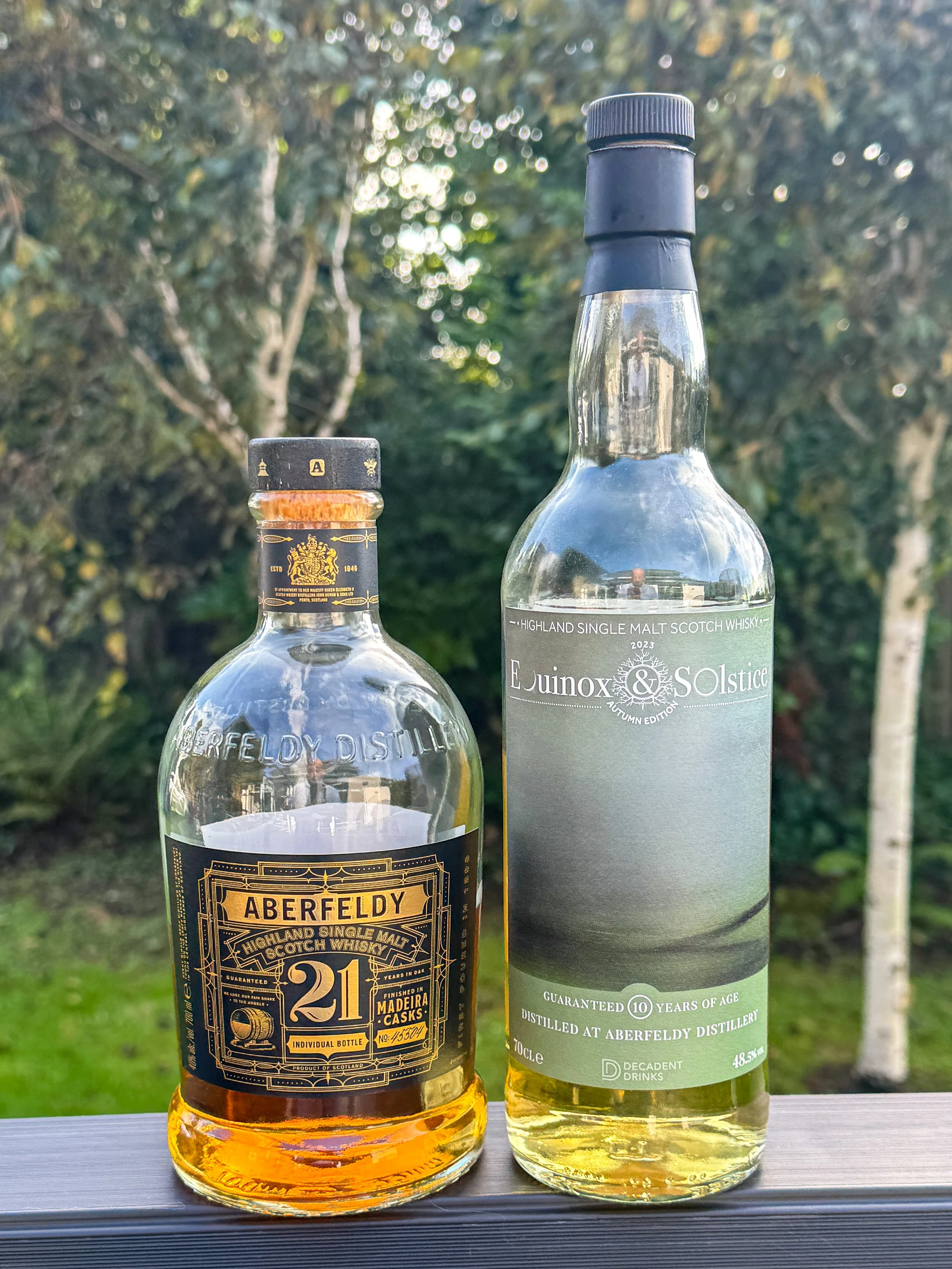
Not only that, but because casks became increasingly expensive, it makes sense that we’re also seeing younger whiskies coming not just from the new kids on the block, but also from the established players on the market, sitting on older, precious stock (often maturing in those sought-after and high-quality casks at that) while looking for ways to get the most out of younger stock as well.
I think the most obvious example is that many have, in recent times, slowly but surely shifted the make-up of their releases. It wasn’t uncommon for many a 10, 12 or 15 year old whisky to have a (sometimes significant) amount of older stock in them. I think it’s fair to assume that those days are now mostly gone, and when you see an age statement on a label these days, most if not all of what went into it will indeed be aged per what it says on the label.

Review
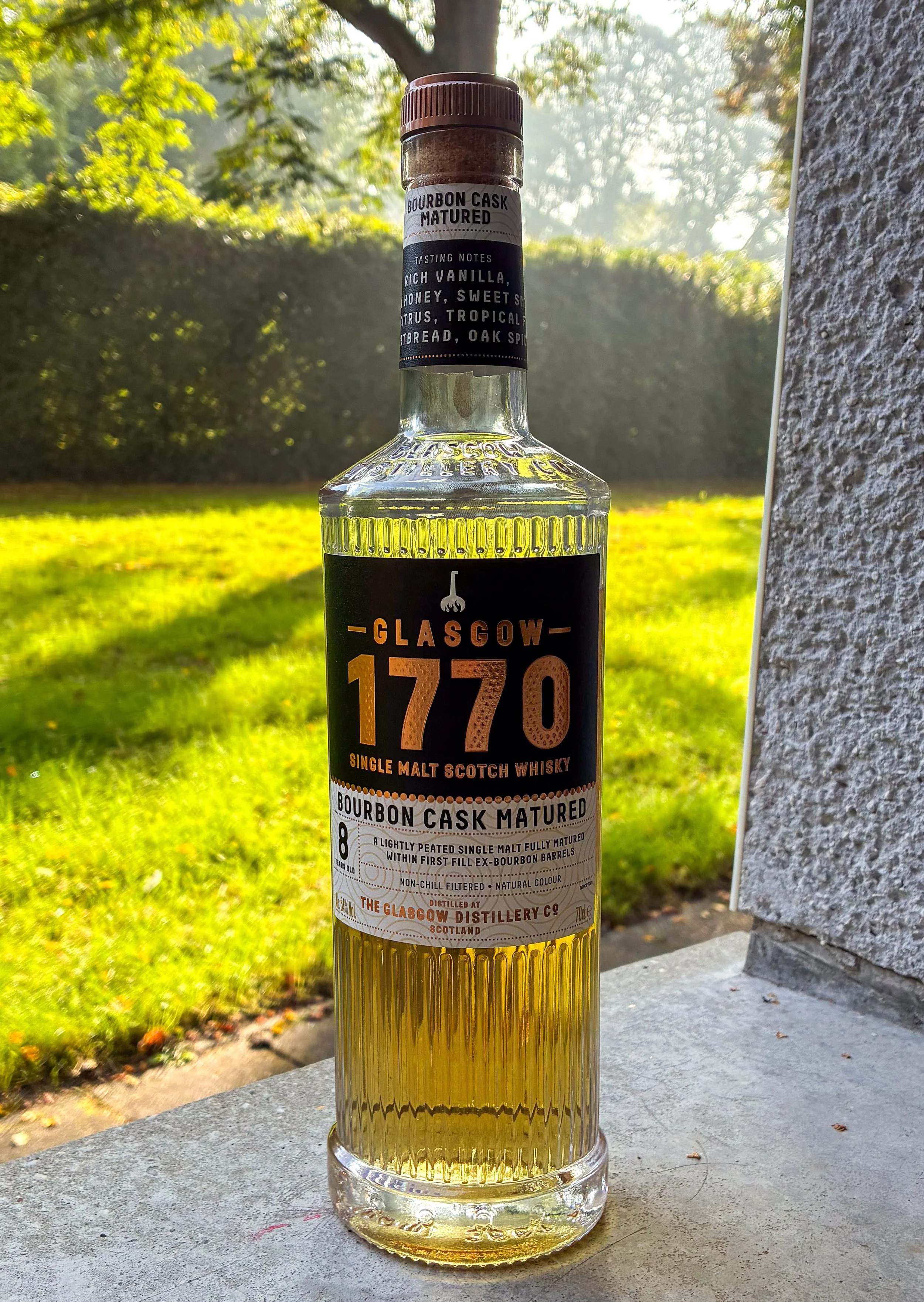
Glasgow 1770 Sherry Cask Matured 6yo. Official limited bottling, lightly peated, matured in ex bourbon casks, PX casks and medium sherry casks, 1600 bottles, 55% ABV
£59 at retail, still available (bottle shipped from Glasgow Distillery, €46 paid in import fees)
I can only speak for myself, but I’m sure I’m not alone on this one, when I say that this is by no means a bad thing.
In fact, these younger whiskies show us different aspects of what whisky can be, and many of us have come to love and embrace whiskies driven by quite some spirit character. To have both younger and older whiskies available to us can only educate and enrich us as consumers.
As such, every bottle isn’t just an experience, it’s also an education. With all the knowledge available to producers these days, inevitably the quality standard bar is raised as well. With all the quality checks and balances, the meticulous scrutiny and focus on quality all the way through, the results speak for themselves.
Young whisky can be good. And if it wasn’t up to snuff, we’d have walked away. Instead, we’ve learned and experienced just how good a 5 or 6 year old single malt can be. So much so, the ‘taboo’ of putting that single digit age statement on a bottle of whisky these days is a thing of the past.
As is the case with this new limited release by Glasgow, boasting a proud ‘6 years old’ statement on the label. Now if you’ve been keeping an eye on Glasgow distillery, you’ll probably know that for their limited releases they’ve been putting quite a few 6 year old-ish whiskies on the market, often experimenting with cask types to show the different aspects to their whisky.
This one, interestingly, was matured in bourbon casks, PX casks and medium sherry casks. The latter is a mixture of dry style sherries (like Fino) and sweeter, more vibrant sherry (like PX) in order to get the ‘best of two worlds’ as it were, ending up with something covering the middle ground: not exactly dry but definitely not overly sweet (like sherry cream).
I received this bottle late August via the Dramface Deflection System and decided to spread out my tasting and notes over two ‘sessions’. The first one not that long after first opening it (not exactly the neck pour, but after four or five drams) and then come back to it a few weeks later having let some air in the bottle and take notes again now that’s it well past the shoulder.
Here’s the description from Glasgow Distillery:
We've come together with the renowned Spanish sherry house, Ximénez-Spínola, to celebrate a shared passion for craftsmanship, flavour, and innovation.
This release brings together two of our signature whisky styles with two of Ximénez-Spínola's celebrated sherries. Unpeated single malt is finished in Pedro Ximénez Sherry casks, while peated single malt is finished in Medium Sherry casks, creating a whisky that balances sweetness, smoke, and complexity.

Score: 6/10
Good stuff.
TL;DR
Already good, but did it come too soon?
Nose
Neck pour: A lot of red fruit (berries and cherry, plums, sultanas), with a very gentle earthy peat note to it. A whiff of salinity, toffee, caramel and cold coffee. Underneath those richer notes, there’s an almost grassy-herbal crispness.
Revisit: Warming, earthy soft peat, red fruit (berries, cherries), nutmeg and clove. A hint of toffee, chocolate and coffee and a deep, dense bittersweet note of dark honey.
Palate
Neck pour: A hint of wood, fruit and earthy peat. Some sweetness of honey, toffee and old marzipan. The texture is medium dry.
Revisit: Sweet, earthy arrival. Toffee, treacle, gentle yet warming peat and soft smoke. Red fruit and spice now lay a ground / base note as a foundation on which those peat and treacle like notes build. The mouthfeel is medium full – neither dry nor viscous as it goes into a rather long, slightly dry and warming finish.


The Dregs
I quite like this.
It’s young but has seen some active casks in my opinion. That said, it’s also a bit enigmatic, as it’s sometimes challenging to pinpoint exactly what’s going on. Which, depending on my mood, either definitely intrigues me, or ‘annoys’ me a bit (which frankly, is too strong a word).
It’s quite palatable neat, but adding some water helps to unlock some of its more hidden layers, making it more nuanced and helping to bring out the different tasting notes. While the casks are doing their bit to push this whisky along, I can't help but feel that this hasn’t peaked yet, and there is some unfulfilled potential. There’s enough depth and flavour, but I can’t shake off the idea that it might benefit from a bit more ‘harmony’ or balance?
That’s minor criticism of course, as this is indeed a 6 year old youngster and absolutely enjoyable already. But I do feel that, should they have some maturing stock left of this and let it sit for another year or two, maybe three, they could be sitting on something absolutely stellar.
Not because there would be more wood impact per se, but mainly because those casks would also help improve the balance, marrying everything together.
That said, this is already a solid one in my book.
Score: 6/10
Tried this? Share your thoughts in the comments below. EA
-
Dramface is free.
Its fierce independence and community-focused content is funded by that same community. We don’t do ads, sponsorships or paid-for content. If you like what we do you can support us by becoming a Dramface member for the price of a magazine.
However, if you’ve found a particular article valuable, you also have the option to make a direct donation to the writer, here: buy me a dram - you’d make their day. Thank you.
For more on Dramface and our funding read our about page here.

What’s your own personal top distilleries?
At the point of this article’s publication, Glasgow Distillery doesn’t appear in the Dramface Top 40.
You can influence that vote here!