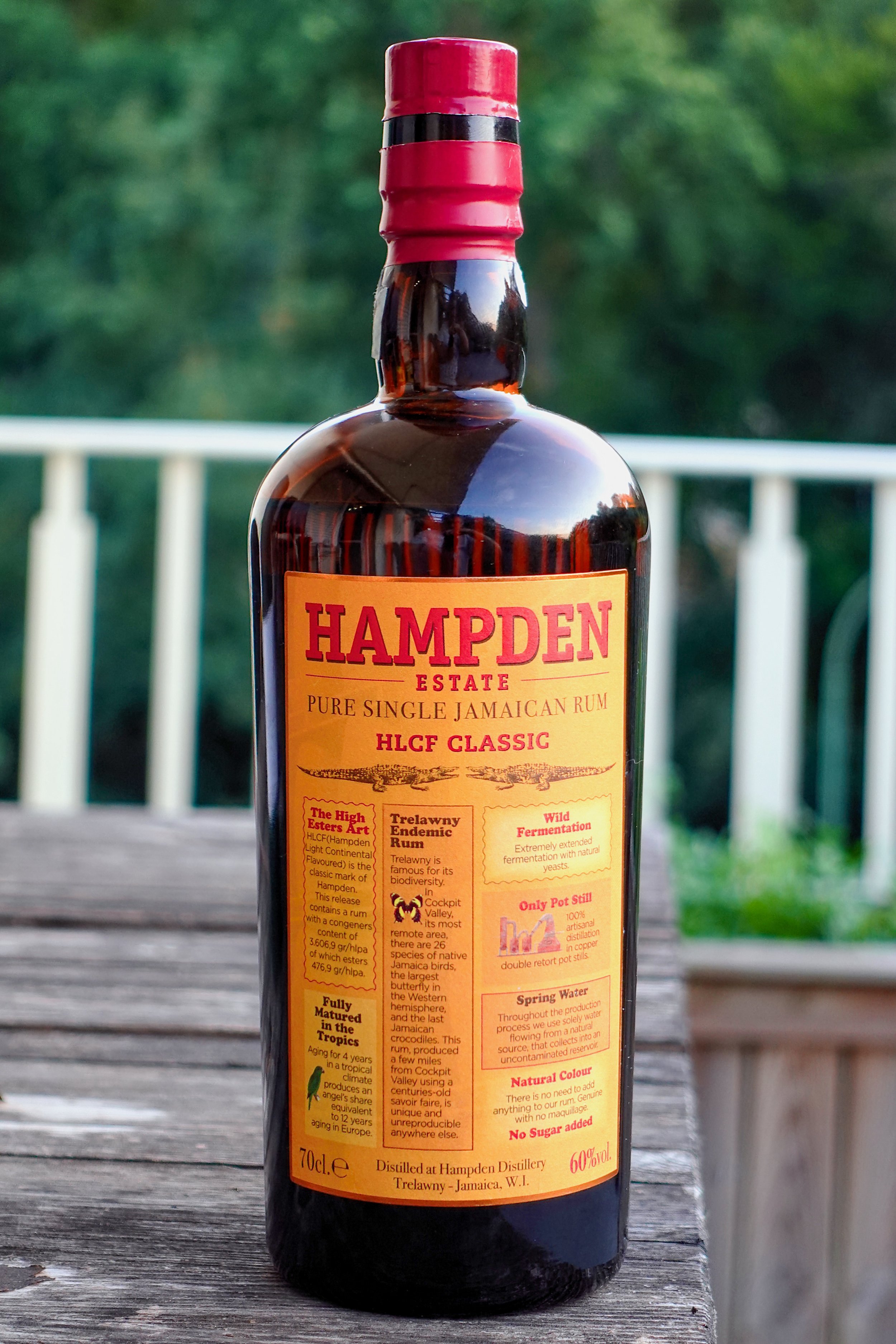
Hampden Estate HLCF Classic 2017
Jamaican Rum | 60% ABV
Score: 8/10
Something special.
TL;DR
A funk bomb to revive even the deadest of palates
Beat the Heat Fatigue
I have been in a major slump.
Judging by the lack of submissions on Dramface from yours truly, you might suspect I might be referring to a writing slump. I am not. I have been on a drinking slump.
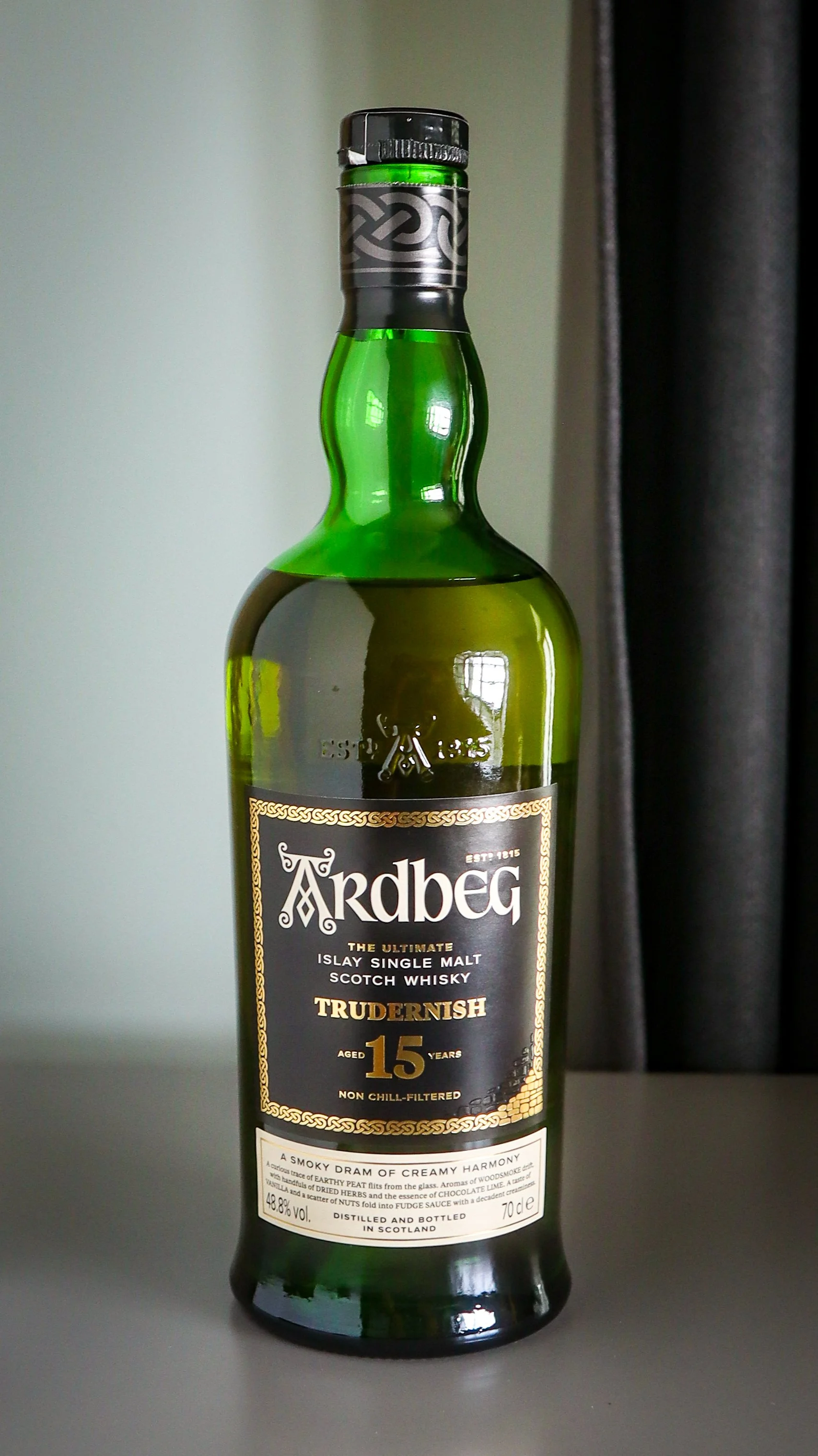
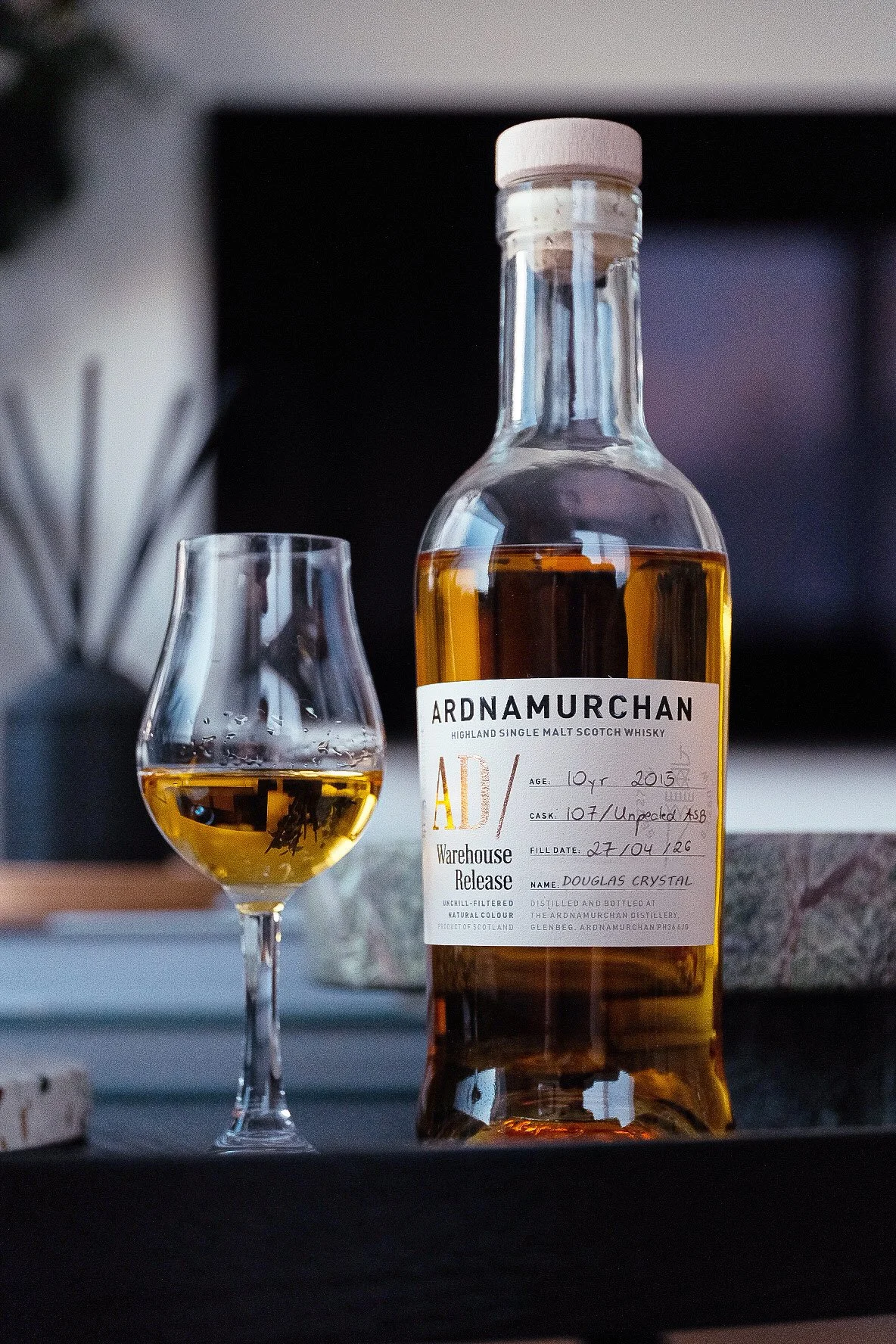
For the past two - make that almost three, actually - months, whiskies and spirits in general, stopped being gateways to sensory adventures and enjoyment. All of a sudden, everything started tasting like generic hot liquid. All those beautiful complex nosing notes? Nowhere to be found. The lovely palate richness of a cask strength Springbank or Ardnamurchan? Replaced by heat and a generic grainy and smoky taste.
As the stereotypical relationship breakup trope goes: “it’s not you, it’s me”.
Only this time I really mean it. It is definitely me. And I did try to make it work. I had planned to use my vacation time to catch up on my Dramface writing. The outline brief for three articles I was planning to write sat prominently on my laptop’s desktop. My vacation luggage carried a generous 250ml sample of the whiskies I had scoped out - plus a few compulsory Glencairn glasses.
Off we went, Mrs Cullen, myself and our trusted canine companion, to enjoy a couple of weeks of Alpine bliss. We settled in, relaxed after the first long day of travel, and on the second day I was ready to get to work.
Yet, after the third night of carrying out my usual tasting routine and failing, I knew something wasn’t right. I poured the drams, let them rest for a while - at least a minute per year of age - and started writing my notes. Nose first, then palate, closing with the finish.
Usually I would be repeating the steps a second time to catch the finer notes and finally a third time adding water if the ABV of the liquid was 50% or more. Only, after the first round of tasting, my heart wasn’t in it, and the remaining drams stayed in the glass only to be poured away the next morning.
It all hit home on the third of three consecutive nights. Pouring away three drams from one of my favourite distilleries sure made me feel like an idiot: such a waste. And what if that was me forever now? What if my taste for the lovely malts in the glass had gone forever? I couldn’t help but spare a thought for my (growing) collection of whiskies at home. My immediate thought was not at the risk of losing the enjoyment of those couple of hundred bottles waiting for me at home. No, I was mostly shaking my head in disbelief at the fact that I would have to admit to Mrs Cullen that she was (once again) right: I had definitely overindulged with my whisky shopping.
I blame it all on the heat.
If you are not based in the old continent and not that into world events, or if you are reading this piece in the future, you might have missed or forgotten the record temperatures hitting Europe in June, July and August of 2026. According to some meteorologists, it was actually four different heatwaves - frankly, it all blended into a single ten-week-long spell (at the time of writing) of sweltering heat. Here in Italy, all but one of our twenty-seven main cities have had an extreme heat warning at some point, meaning they were all expected to reach temperatures of 37 - 40ºC.
Now, I can imagine the Dramface readership’s Northern European and Scottish contingent are looking at me thinking that, as an Italian, I should be used to it. And sure, we usually have hot days and have had higher record temperatures in the past. But, unlike past years, it has been the unbroken duration of the heatwave, the lack of even momentary respite, which knocked my taste buds out for the count.
When a few days of cooler weather hit - we are still talking temperatures around 27-28ºC - something ticked. Taste started coming back. My nuptial pride was back on track, and my concerns started slowly melting away. A craving for something not perfectly defined, but something we all instinctively understand: funk.
But rather than seeking out one of my beloved Campbeltown bottles, I had an urge for a different type of funk. Something more weather-appropriate and more tropical: some old-fashioned Jamaican Rum.
Review
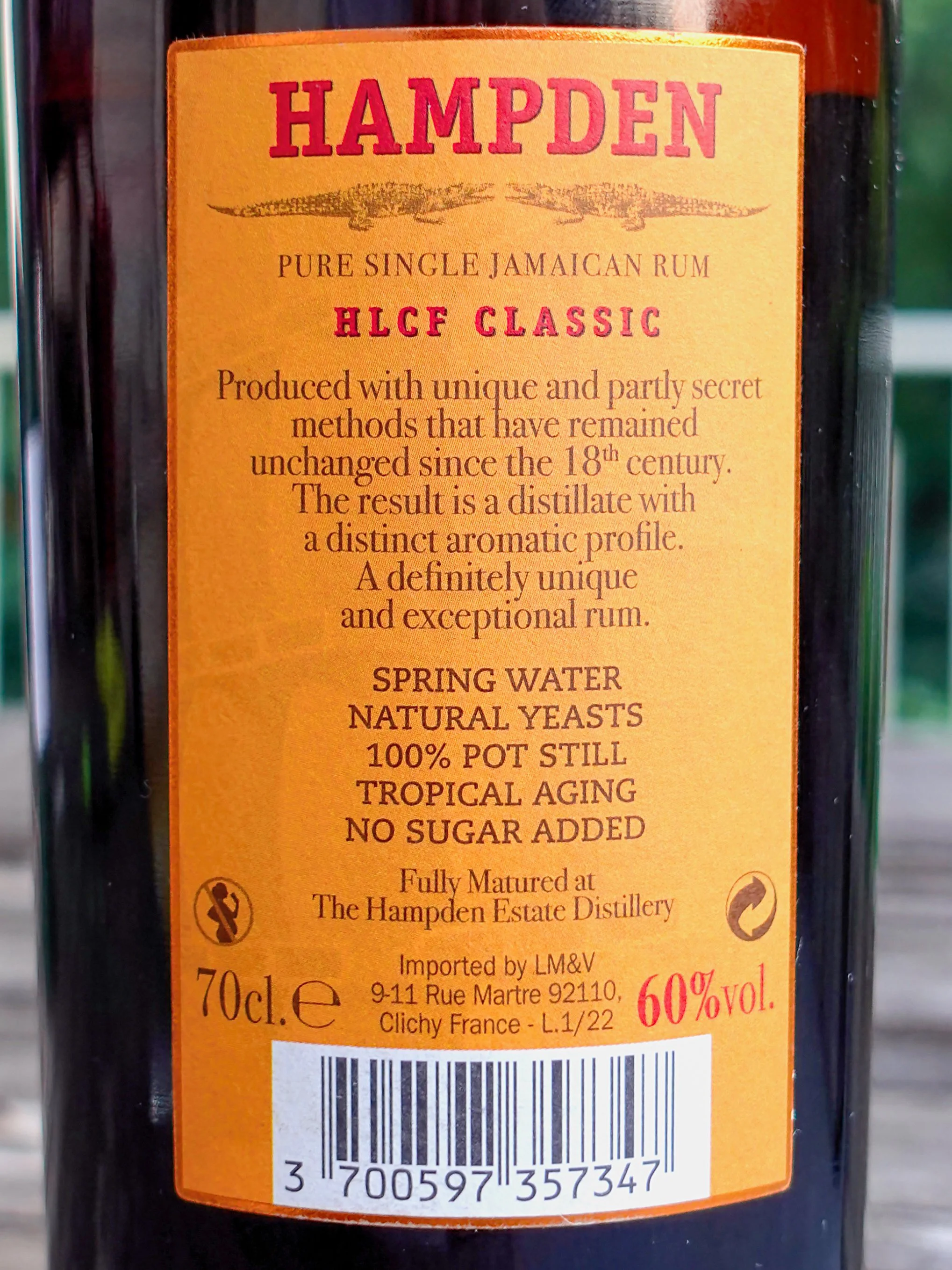
Hampden Estate HLCF 2017 Classic, Single Jamaican Rum, 4 years old, natural colour, non-chill-filtered, no sugar added, 60% ABV
£63 paid in Italy, but UK retailers asking £82 to £95, still some availability
This is not the first Hampden Rum to appear on Dramface. Tyree previously reviewed the Habitation Velier Hampden Estate 2016 <>H in his first Malternatives piece.
We also have a nice overview summary from Ainsley’s Rum 101 from last year.
Hampden is notorious for its old-style production process, low yields and long, wild fermentations. In his usual fashion, Tyree provided a very technical explanation of the role that pot still/double retort distillation and dunder play in achieving the high ester counts you find in certain Caribbean Rums like Hampden. I could not and would never attempt to explain those points again - when Tyree explains some technical aspect of spirit production and distillation, we all listen, thankful for having learned something new explained clearly. Which is a long-winded way to say: go read that old article if you haven’t. And then come back.
There is, however, an aspect of Hampden’s production which, due to my background as a biochemist (many years ago), I find incredibly fascinating. The way Hampden uses “muck”, together with the better-known dunder, to add to the aromatic complexity of its Rums.
Muck is a viscous, putrefactive sludge. I agree, not the most appealing of definitions. It is made by combining dunder solids, dead yeast sediment (the lees), cane trash, and local organic matter like tropical fruits. Where dunder fosters a microbiome rich in acid-friendly Lactobacilli and Pediococci bacteria, Muck is instead dominated by bacteria from the Clostridium family, which thrive in the fully anaerobic (or oxygen-free) conditions. What each of the two bacterial populations, or to sound cool and sciency, what the individual microbiome, produces is also very different.
Dunder predominantly creates a broad mix of acids, which gives dunder its characteristic mildly acidic pH (pH 3-4): these range from lactic and succinic acid to short-chain fatty acids. Muck, on the other hand, breaks down organic matter into a stinky, concentrated bomb of volatile fatty acids, rich in butyric, valeric, and caproic acids.
If you ever worked in an organic chemistry lab, you will recognise these as some of the most nauseating compounds with smells of rancid butter, vomit, stale cheese, dirty socks and sweaty goats. Not exactly what you want to smell in your glass. But that’s where the magic of fermentation comes into place and in particular in the way dunder and muck play with each other and the unexpected result they create.
Dunder (together with cane vinegar sometimes) is used to acidify the molasses-based wash as it undergoes alcoholic fermentation. This acidifying action is needed to make sure that the right alcohol producing yeasts take over and produce a wash close to the desired ABV. Once the alcoholic fermentation has run the desired course (as set by the distillery), a secondary acetic fermentation called Dead Wash is carried out.
Muck is introduced at this stage, and this is where the acids from dunder and muck mingle with the ethanol created by the fermentation and create their magical ester bounty. I have taken the definition of an “acetic fermentation” from Hampden’s own definition - I would call it more generally a secondary bacterial fermentation, but potato, potahto.
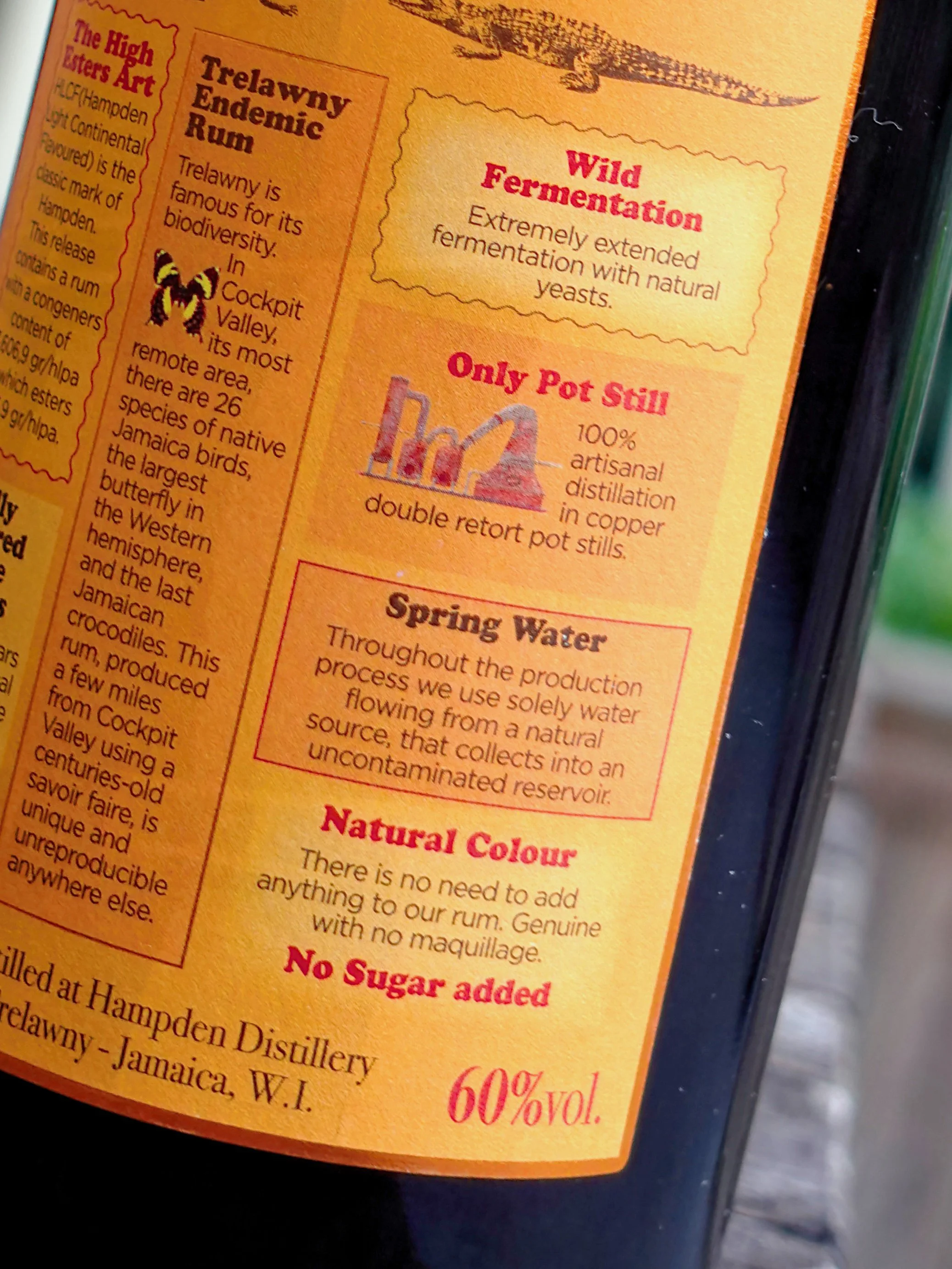
Hampden produces its range of “Marks”, that is, specific formulas to create newly distilled Rum, by combining different levels of molasses, dunder, sugar cane vinegar, and muck, and by managing the length of fermentation, and applying their own variations on the distillation process. Hampden has a very helpful page where they explain the differences for all their marks if anyone wants to do a bit of deep diving - here.
The fact that apparently small changes can generate strikingly different results is something deeply fascinating. You’ve got to love biology!
One of the many aspects that makes muck so fascinating is that each distillery’s muck is different, with its own aromatic and microbial signature. The closest thing that comes to mind is sourdough - no two are alike. But while sourdough’s microbiome has been studied in quite some detail to define the differences between one and another, to the point that there is a proper sourdough library, muck is a closely guarded and under-researched topic… just a thought if there are any students of fermentation looking for a thesis subject.
The individual character of each is a very strong determinant of both funk and the signature of each distillery, a real sign of terroir, at least, if not more than the origin of the raw materials used to create a spirit.
I hope you enjoyed the science ramble; time to pour some liquid into the glass.
Score: 8/10
Something special.
TL;DR
A funk bomb to revive even the deadest of palates
Nose
The overall aromatic intensity is very potent: pour a dram in a glass, and the aroma will fill whichever room you are in with its funky fruit notes. Fermented pineapple is the first note that hits me - if you have ever had Mexican tepache (a fermented drink made with pineapple rinds and spices), it is very close to that but pumped up to twelve.
A rich note of wet dark cane sugar - sirop de batterie to be precise, the concentrated sugarcane juice common in the French Antilles and a key ingredient for a proper Ti’punch cocktail. Then I am transported to a cobbler’s workshop. New wellie boots. Acetone and cobbler glue. Back to the tropics with fermenting bananas and lime rinds. Something creamy, maybe cocoa butter. Green olive brine. A slight earthy mulch note. There is probably even more to detect, but it is so powerful that it becomes almost overwhelming after a while. The funk is strong in this one. Campbeltown funk? Extremely tame by comparison.
With water, the fermented fruit notes become milder, as does the rubber, acetone-driven funk. More liquorice and tea appear, together with some idiosyncratic freshly cut sugarcane notes. Then spice, mostly nutmeg and a creamy lime-flavoured white chocolate note.
Palate
That 60% ABV punches well above its weight - it does have something slightly rocket-fuelly… but in a good way. Medium to full body. The pineapple is there and once again leads the aromatic onslaught, roasted pineapple more than fermented now. Caramelised bananas. Some acetone. Cinnamon and nutmeg, some long pepper. Black tea, liquorice and salt. There is a noticeable lime-driven acidity and, again, some sugarcane grassiness which I would expect more in an Agricole Rum than in this molasses-based distillate. The finish is medium-long, fruity, vegetal, with liquorice and a slight oaky bitterness at the end.
Adding water improves the texture, making the mouthfeel rounder. The aromatic effect is diametrically opposed to what happened on the nose. The darker notes take a step back, and the molasses, pineapple and banana notes become significantly more dominant, turning this into a proper tropical funky party.
The Dregs
Before I get to my score and closing thoughts, I can’t resist a couple of comments on the peculiar aspect of pricing for Hampden’s products in the UK vs Continental Europe.
Hampden, due to its choice of old-style methods, is not a cheap Rum to make and comes with the price tag to reflect that. Yet, the 30-50% price jump I saw when checking the price across European vs British shops is unusual. Given it’s a Jamaican spirit, I assumed that being part of the Commonwealth would give the UK a lower price compared to Europe, not the opposite. And the difference is hardly something taxes alone can justify.
It may be a matter of popularity, a bigger European Rum scene maybe, or possibly because of Hampden’s exclusive global distribution with La Maison & Velier, one of Europe’s key Rum importers which regularly bottles their Rum (like the one Tyree had originally reviewed) and was instrumental in Hampden commercially launching their own Rum range back in 2018, after years of selling it to third parties. As a newbie to Rum, I can only guess, but it seems likely. If any of our readers has more solid info as to why that is, please feel absolutely free to correct me in the comments; I’d be thankful for that. But let me get back to the vote and final considerations.
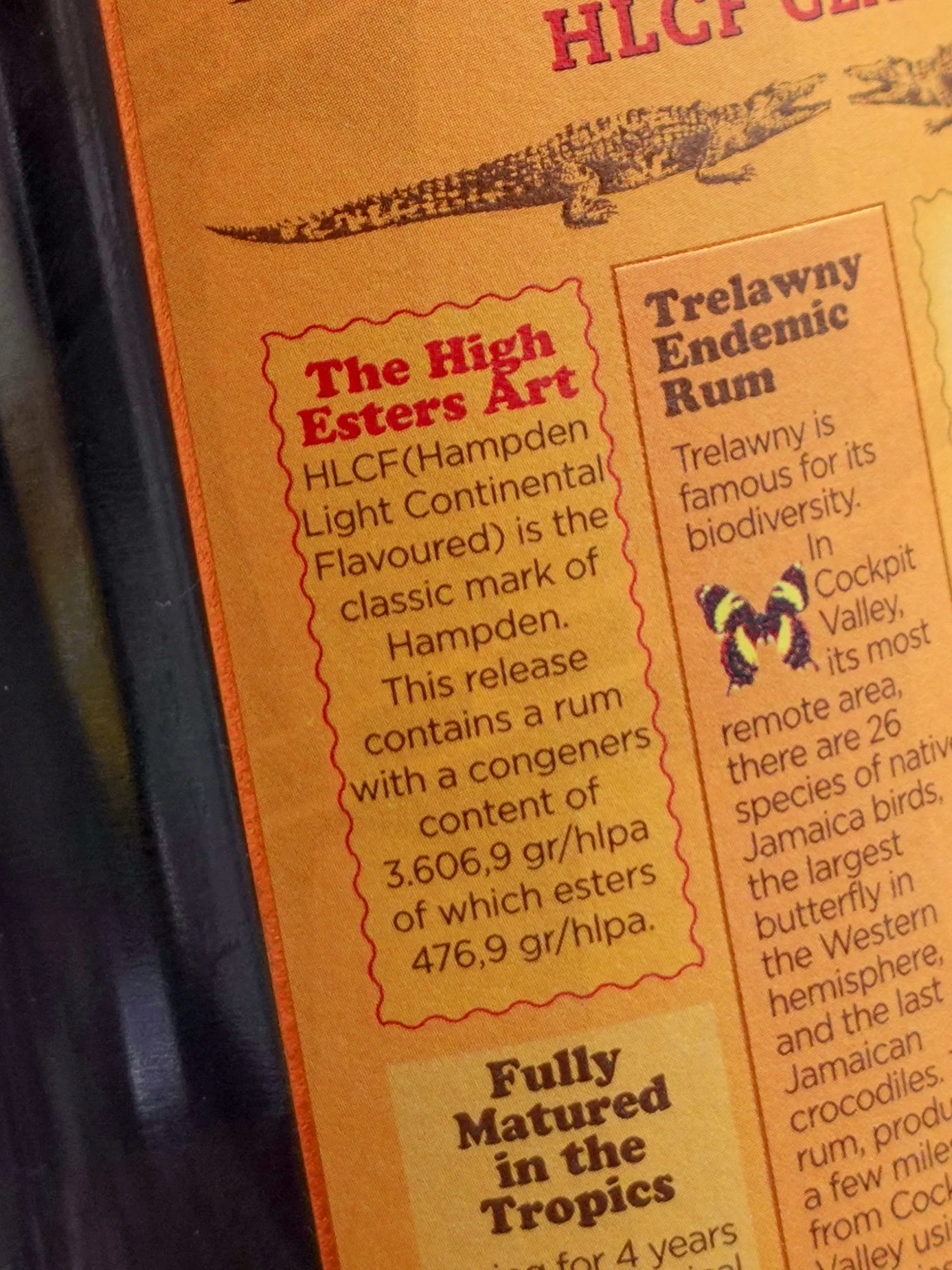
In his review of the Habitation Velier Hampden Estate 2016 <>H, Tyree called that Rum “not for beginners”. HLCF is nowhere near the 900-1000 g/HLPA ester content of that bottle. We are at precisely 476.9 g/HLPA for this 2017 release, so about half that of the <>H. And maybe that step down makes this more approachable, but it remains aimed at those seeking strong sensations.
If your preference is for milder, more gentle spirits, I could easily see this hitting a 2 or 3/10 score with a “rocket fuel” mention in the TL;DR. I do still consider myself a beginner, even more so when it comes to Rum, but I have always been someone intrigued by strong, unusual or downright odd tastes and aromas. I can’t deny it: I am a bit of a spirit thrill-seeker. And this hit my register dead centre. And it scores a solid 8/10.
After a couple of evenings spent in the company of Hampden’s HLCF, I felt the same way Goscinny and Uderzo depicted the comic book Gaul hero Asterix after imbibing the famed potion from Getafix the Druid (or to be precise, Panoramix in the original French): floating mid-air, glowing with renewed energy. And it was a ton of fun. Rather than feeling tired after a few sips, like I had done for weeks, I wanted to jump back into exploring those incredibly funky and oddball notes.
It was just the cure I needed to get my senses back up from the floor and reignite my passion for spirits, and whisky specifically.
But I might need to revisit funky Rum at some point: as I am proofreading this to help our editor in his job, meteorologists informed me via the telly that they expect an even more torrid summer in 2027.
This time I will be prepared.
Score: 8/10
Tried this? Share your thoughts in the comments below. HC
-
Dramface is free.
Its fierce independence and community-focused content is funded by that same community. We don’t do ads, sponsorships or paid-for content. If you like what we do you can support us by becoming a Dramface member for the price of a magazine.
However, if you’ve found a particular article valuable, you also have the option to make a direct donation to the writer, here: buy me a dram - you’d make their day. Thank you.
For more on Dramface and our funding read our about page here.