Glen Scotia Victoriana
NAS Official Bottling | 54.2% ABV
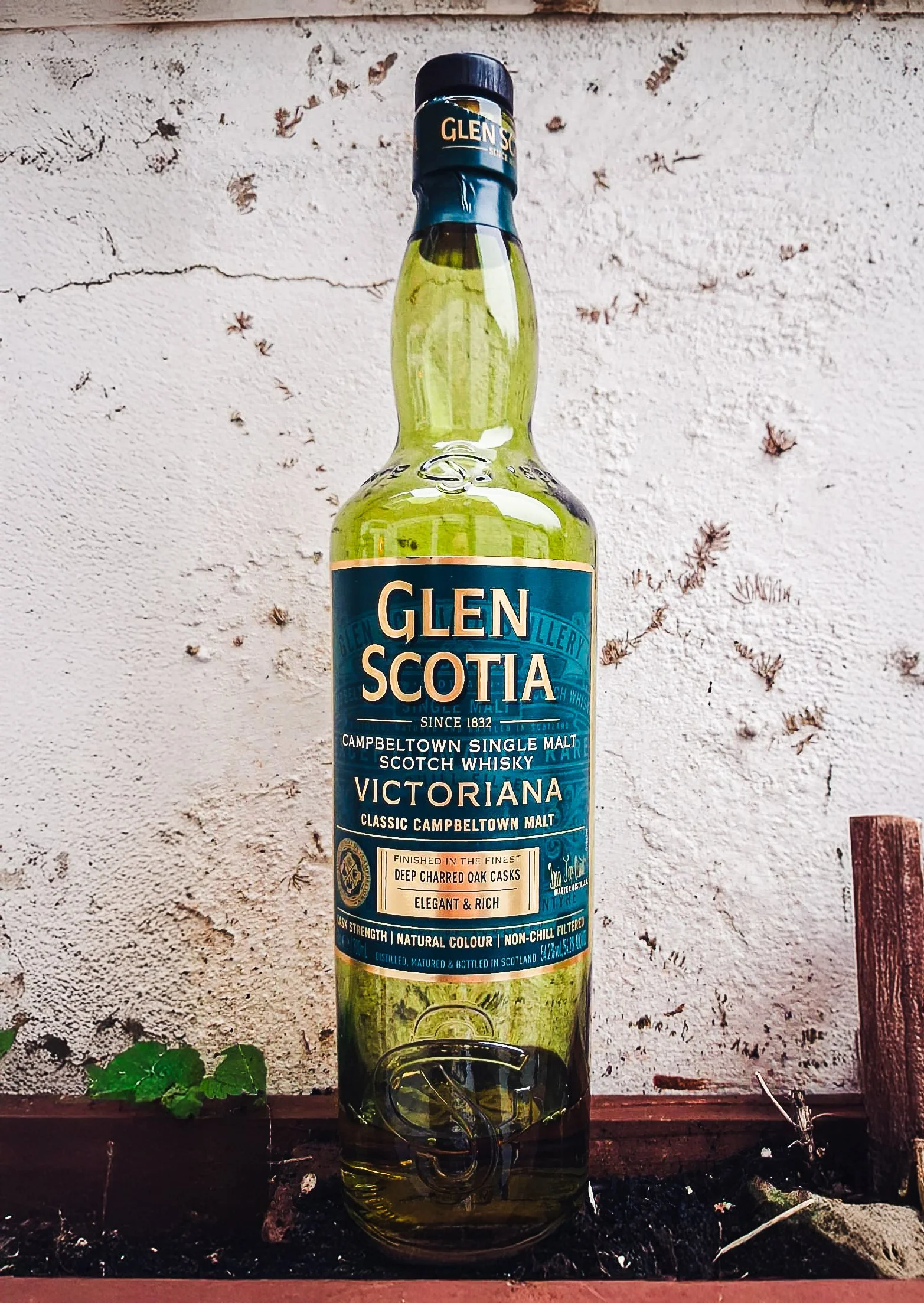
Score: 7/10
Very Good Indeed.
TL;DR
A complex chameleon and a classic Campbeltown
The Year of Cheaper Whisky
It’s January 2026, and I’m just coming out of what I can only describe as a protracted phase of whisky buying burnout.
November was a big month for me, whisky wise. Having attended the Glasgow Whisky Festival, I arrived home buoyed by the experience of meeting so many likeminded people whilst tasting – and buying – so many fantastic expressions. Put simply, I was full of excitement at the thought of the month and a half that lay ahead.
November and December are, after all, important months for both us whisky buyers, and for the industry. Black Friday is now a two to three week long event that bleeds into Christmas which, in turn, is a time when many casual drinkers splurge on pricey single malts to enjoy over the festive break. The shelves of the supermarket aisles heave with special offers, our inboxes fill up with promotions and discount codes, and special festive releases are aplenty. It is quite simply Peak Whisky. And 2025 was no exception.
In fact, if anything, last year’s discounts were even more tempting – and more abundant – than those of the past. With much of the whisky industry currently on its proverbial backside, many of the offers that we saw on the likes of Master of Malt and Amazon weren’t just cheap, they were too cheap. Take, for instance, the Laphroaig 10yo Cask Strength that came up for £42. That’s roughly the same price as their regular 10yo at 40%. In previous years, I would have leapt on it without hesitation.
And yet, I didn’t. Nor did I jump on the Oban 12yo Special Release that was down from £105 to £55. I like Oban, but it’s been several years since I’ve tasted their expressions because the core range 14yo is now so expensive as to make it impossible to justify. At £55, I should have snapped up a bottle of their 2021 Special Release, but again, I hesitated. Eventually, I walked away.
In fact, I didn’t buy a single bottle of whisky over the Black Friday fortnight last year – and let’s face it, it is a fortnight – nor did I buy any whisky over Christmas. I was gifted whisky over Christmas, so it’s not as if I haven’t had anything new to open, but still, the fact that I haven’t opened my wallet and bought any bottles since Glasgow is – by my usual standards – an exercise in restraint.
And yet it wasn’t difficult because, like I said, I’ve been experiencing something of a whisky buying burnout. It will pass, of course – it always does – but as I write this, I still don’t feel the urge to go online and shop for whisky, despite the fact that whisky right now is cheaper than it’s ever been - while I’ve been chasing it.
The reason? Well, it’s simple. Whisky is going cheap, right now…but so what? It’s going to be going cheap for the foreseeable future, so there’s really no reason to rush to buy it.
Take, for instance, that Cask Strength Laphroaig 10yo that I mentioned. £42 for that expression is insane, but I knew as soon as I saw it that there would be other opportunities to buy it at that sort of price. Case in point, as I write this, that same expression is available for less than £50 from a number of outlets. It’s gone up in price, but only by a few quid. Nobody’s paying the £70 RRP for it, so the likelihood is, it’ll stay cheap for the time being.
The Laphroaig 10yo Cask Strength is an example of a whisky that probably shouldn’t be priced so low, though. After all, it’s a cult classic that nobody ever moans about paying the going rate for. The Oban 12yo Special Release that I also mentioned is a whisky that nobody in their right mind would buy at RRP. After all, it’s been gathering dust on shelves and in warehouses since 2021, so the idea that it’s worth the RRP of £105 is, frankly, laughable. If any of the retailers who currently have that bottle in stock are serious about shifting it, then sooner or later, they’re going to have to permanently discount it to the sort of price that it was on offer for over the Black Friday weekend, back in November. Otherwise, it will just languish on shelves for the next four or five years. So, why rush to buy it now? Why not just wait? After all, there’s no hurry.
The point that I’m making is that cheap whisky is no longer an anomaly, it’s the new normal. Those Black Friday discounts that we recently saw, aren’t really discounts, they’re the stark reality of a rapidly deflating bubble. I don’t have a crystal ball, but my hunch would be that over the next three to five years, we’re going to see those sorts of discounts being applied fairly readily across the board, regardless of what time of year it is. Sure, Springbank will still fly off the shelves, and the likes of Macallan and Dalmore will continue to shift their expressions as luxury goods, but everybody else is going to have to work hard to keep afloat, because the new era of cheap whisky is here. There’s really no need to rush to stock up on it. If, like me, you encounter a month or two of whisky buying burnout, then it’s no issue. Those offers will still be there when your wallet starts to twitch again. Or if they’re not, there will be other, similar offers. Because whisky isn’t selling right now. We’re all a bit burnt out from it, and the upshot is that the market is undergoing a correction.
All of which brings me to the whisky that I want to talk about here: Glen Scotia’s Victoriana. This expression was also on offer over the Black Friday weekend, but I didn’t buy it because of aforementioned reasons (and because I already had a bottle in the collection). The price I paid for this was £59, which wasn’t a Black Friday deal, but rather a random discount that I happened to spot back in 2024. Over last year’s Black Friday weekend, it was on offer for £58.
For that sort of money, it really is a steal. Not only is it cask strength whisky from a Campbeltown Distillery, but it also, according to the info I have, contains some fairly well aged stock.
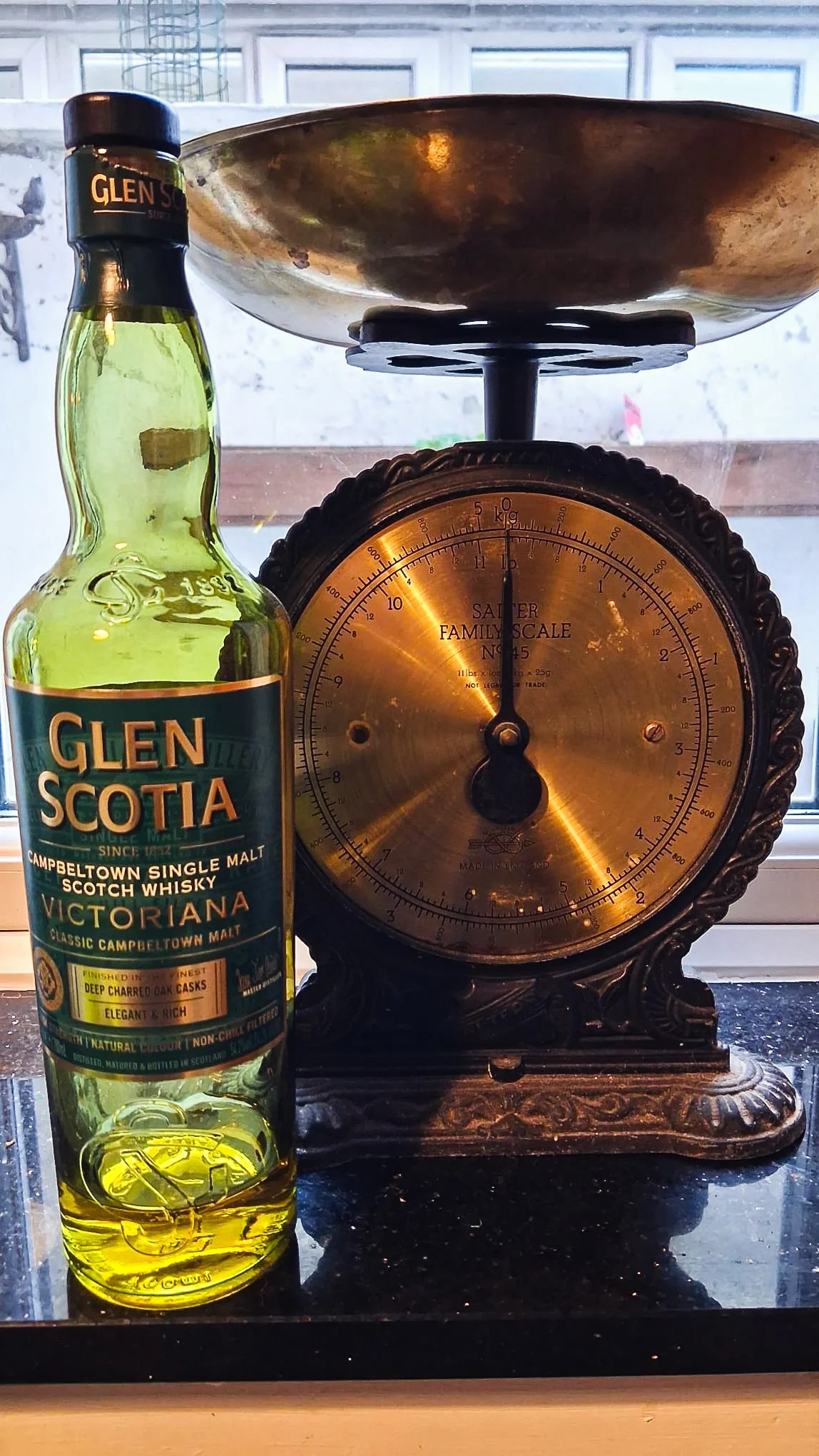
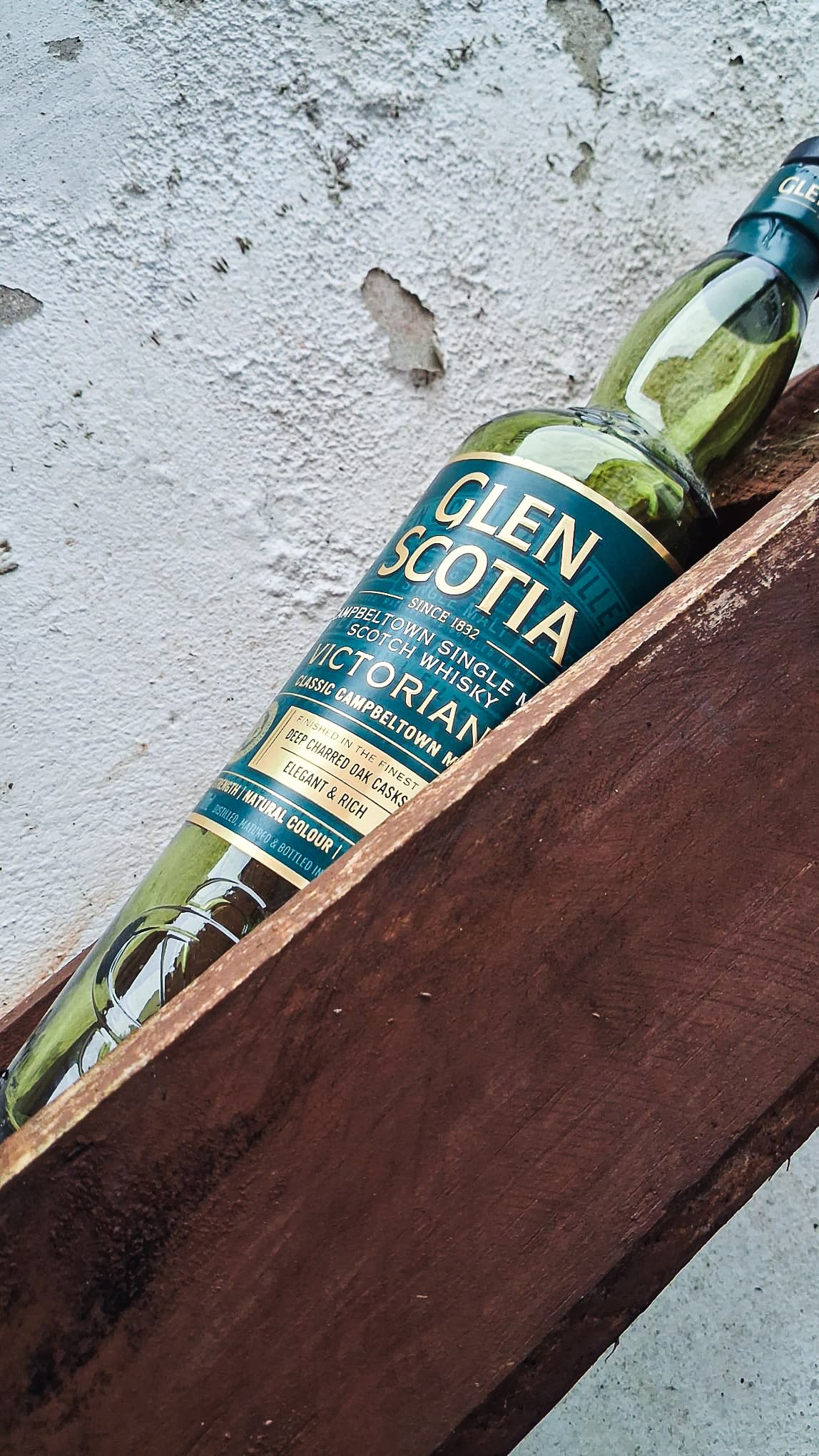
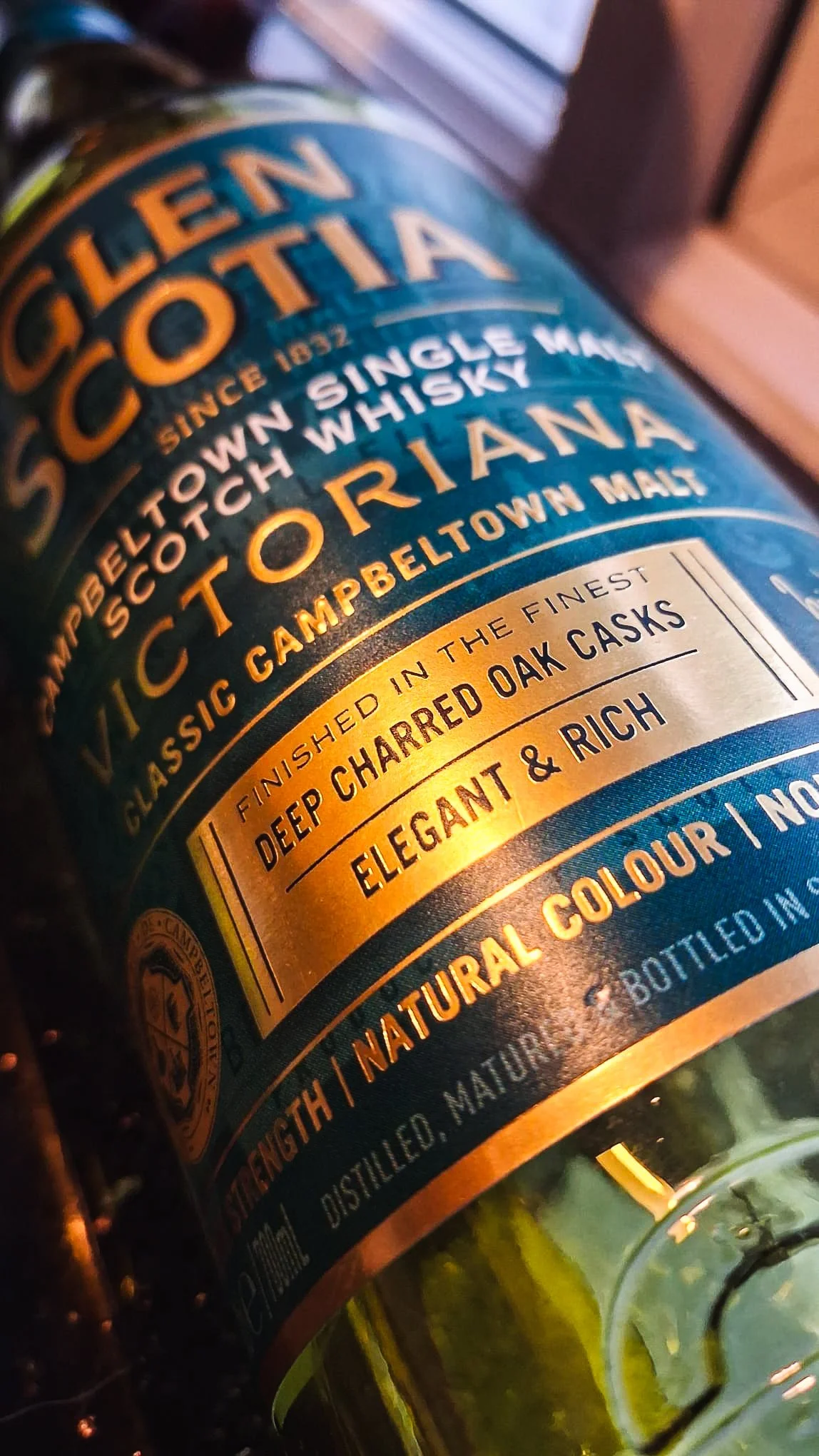
Review
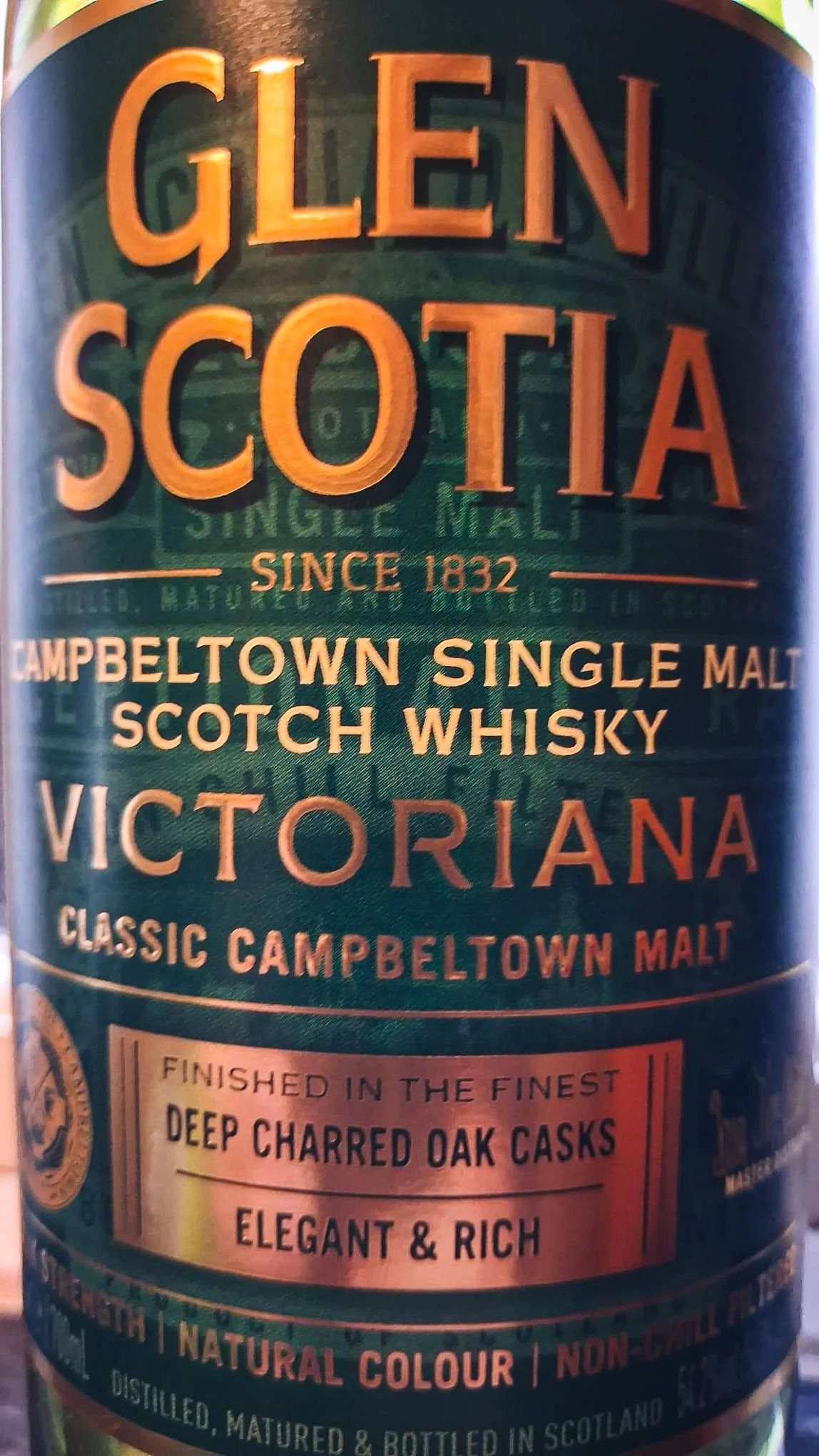
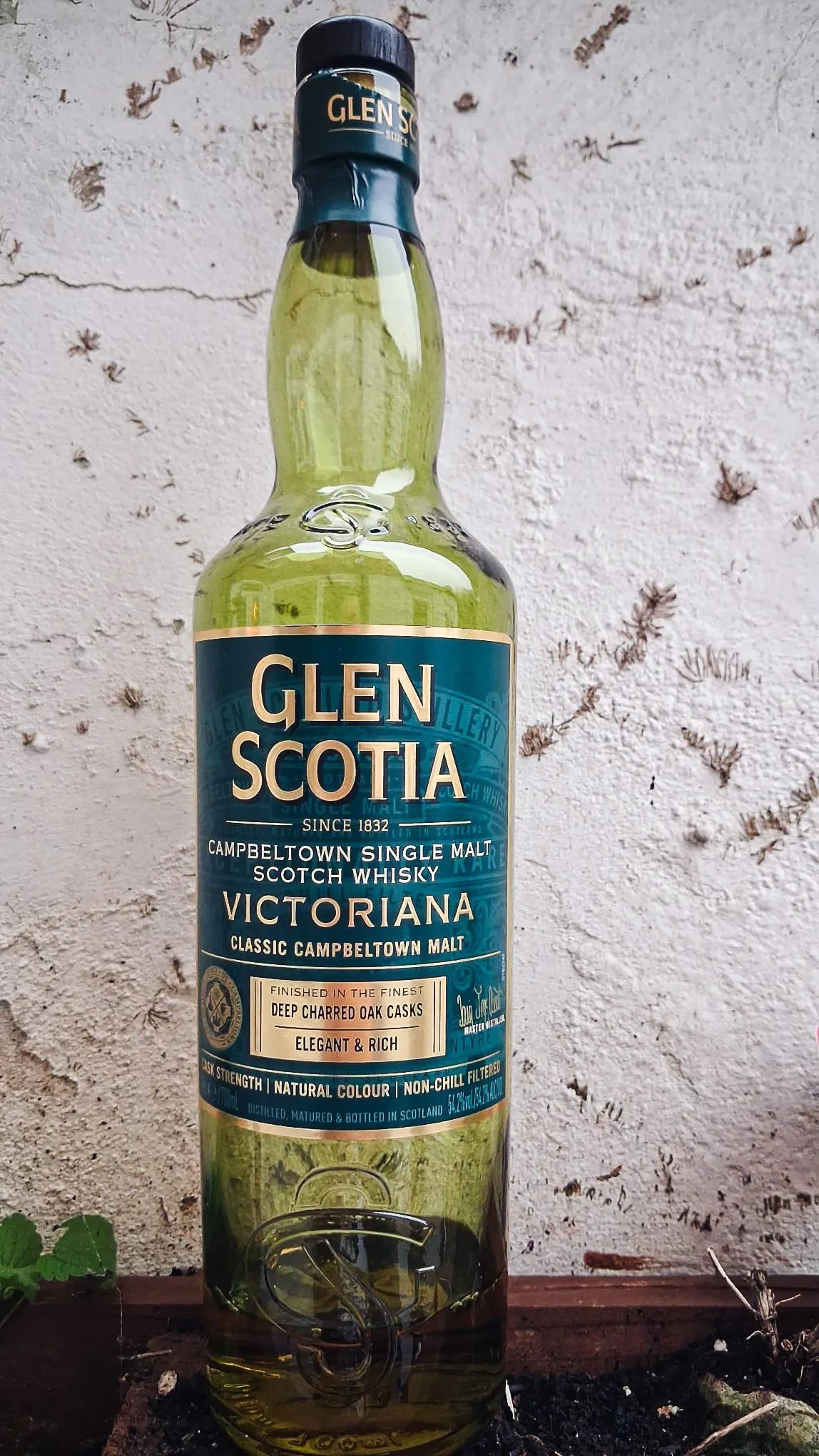
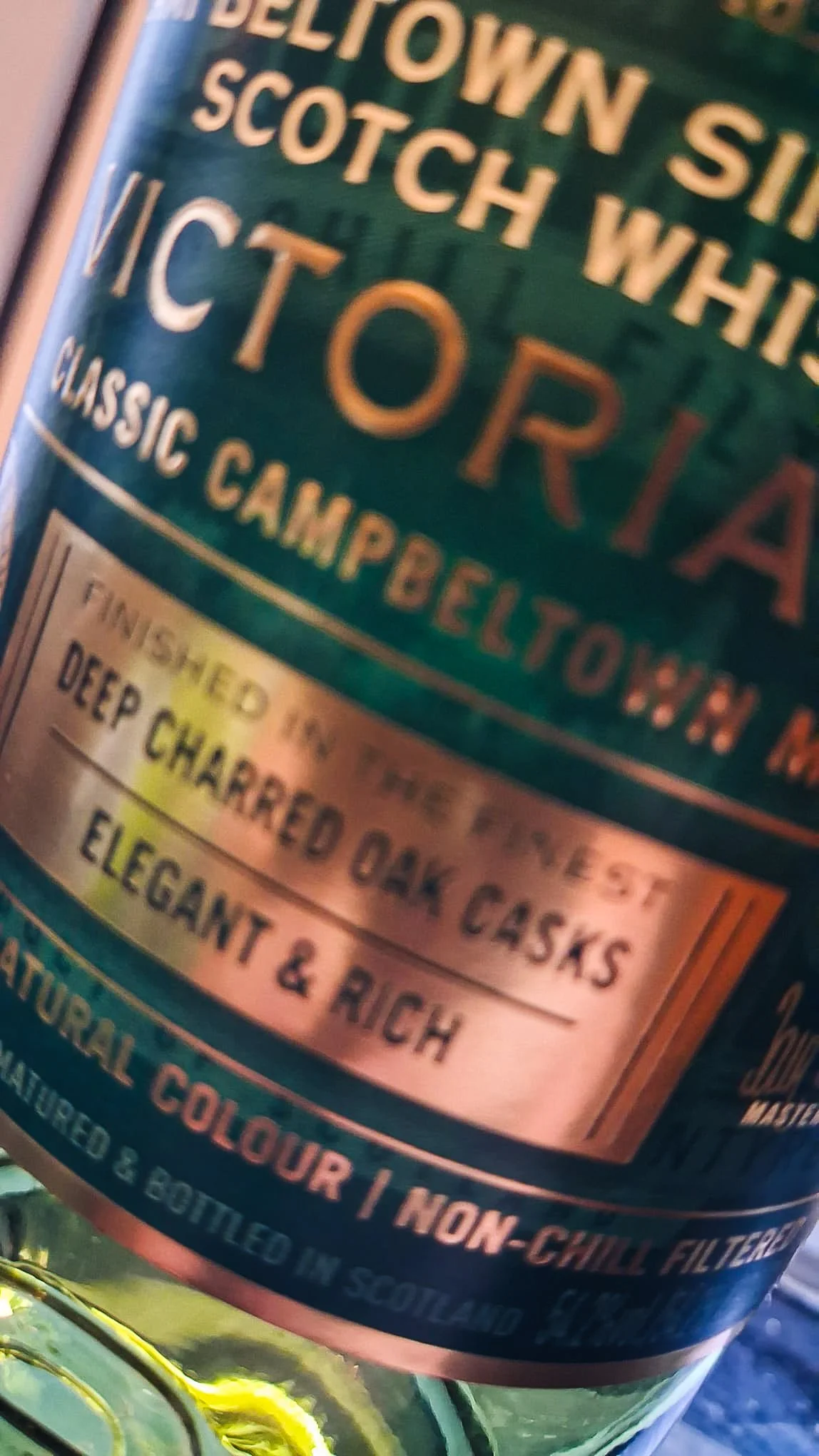
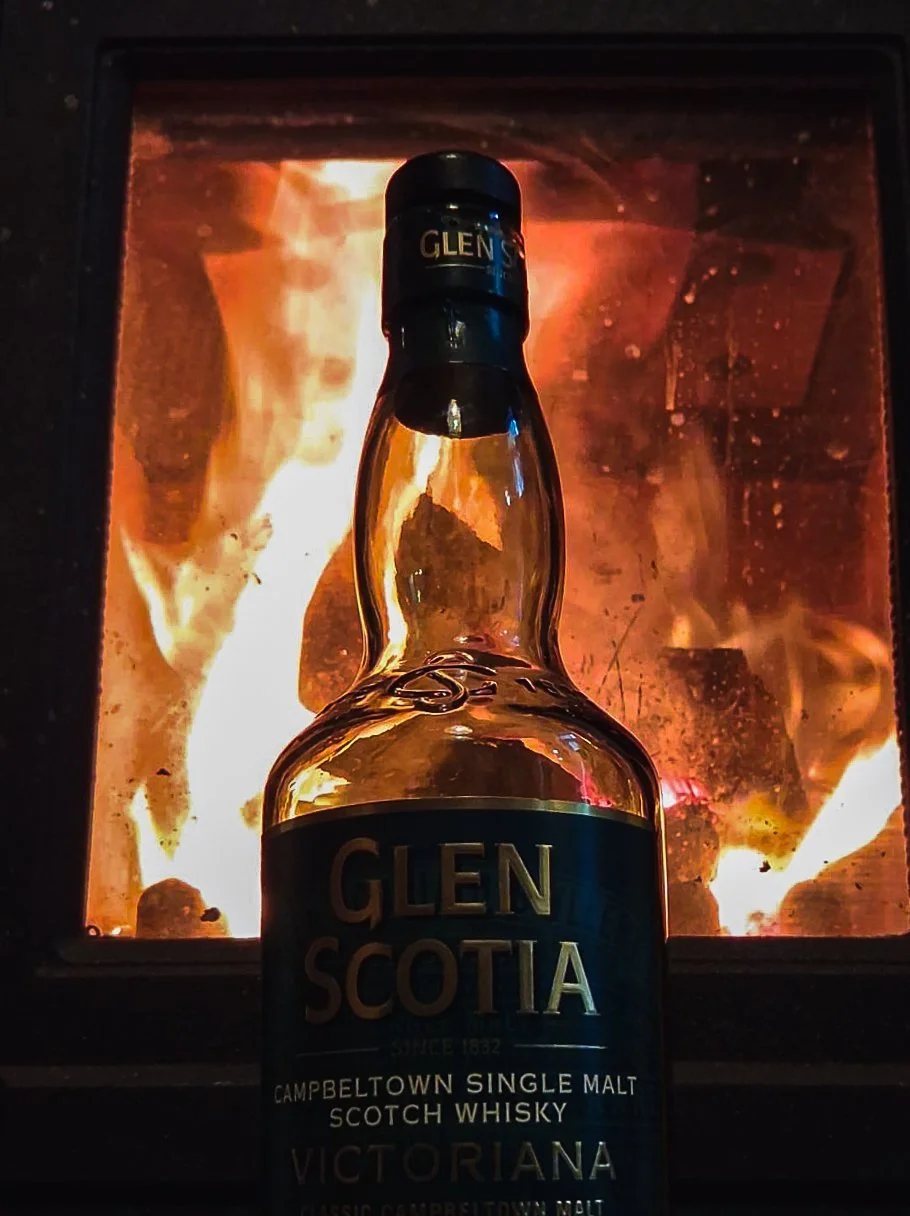
Glen Scotia Victoriana, NAS Campbeltown Single Malt, aged in refill barrels, re-charred bourbon barrels and PX butts, 54.2% ABV
£58 paid & wide availability (£75 RRP)
According to the Glen Scotia website the Victoriana is ‘a thoroughly modern take on a classic Victorian-style single malt.’
Having not lived through Victorian times, and having never tasted any Victorian whisky, I can’t really comment on this, but what I will say is that the whisky, both in terms of its packaging and its flavour, is definitely what you might describe as ‘old school.’ By that, I mean that it’s a robust, medicinal, flavour-forward whisky, the rough edges of which have been left intact. In many ways, it reminds me of a whisky like Benromach’s old 100 proof 10yo, which is sadly now discontinued. This is definitely one to file under the category of ‘uncompromising’ and at ‘cask strength’ you can also dial it in with water.
Regarding maturation, my understanding is that this whisky has been matured in second fill bourbon casks and finished in both heavily charred bourbon barrels and PX butts, before being ‘married together’ for a further six months.
As to the age of this whisky – or at least, the age of the oldest whisky that goes into the vatting – there’s nothing official on the Glen Scotia website, but from what I’ve been able to gather there’s a decent portion of relatively well aged stock in here.
Earlier batches contain a significant portion of 16yo old stock, with the majority of the vatting being made up of 10yo stock, along with a small amount of 12yo stock, whilst later batches contain a decent amount of 14yo stock. There are also, apparently, some batches out there with 20yo stock in.
This being the case, it’s understandable as to why this whisky doesn’t carry an age statement. Putting a number on it would force the distillery to declare that the whisky is 10 years old, which would arguably be unfair. It also accounts for the price of this whisky. Whilst I picked this one up on offer, the RRP on this expression is £75 – not cheap, but when you consider what goes into the vatting, I think it’s justified.
Score: 7/10
Very Good Indeed.
TL;DR
A complex chameleon and a classic Campbeltown
Nose
The nose is both industrial and maritime. I get coal smoke, along with some furniture polish and some leather. I also get rockpools, which is a note that I nearly always pick up with Glen Scotia. There’s also some orange juice, and a very subtle blue cheese note. It’s complex and it changes every time you pour another glass. It also leaves you in no doubt that you’re about to taste a characterful whisky. And it’s typically Campbeltown.
Palate
The palate is equally complex. There are some tropical fruit notes here – pineapple and clementine, specifically – but also some Christmas spices, namely cloves and cinnamon – as well as a little coffee. The addition of water turns up the volume on those tropical fruit notes, but it also brings out a little smoke. I wouldn’t say that this is heavily peated or anything, but there is some smoke here. It’s industrial – think coal smoke – and could just as easily be coming from cask char as from peat. There’s also a medicinal note that emerges with the addition of water.
The Dregs
What I like most about this whisky is the balance that’s struck between the ex-sherry and ex-bourbon casks. There’s enough sherry here to make it rich and decadent at times, but it’s not all about the sherry. Everything’s very well dialled in and balanced, and yet the result is idiosyncratic. It’s a difficult whisky to really describe, and it seems to change with every glass. As such, the overall impression is one of complexity. It’s the sort of whisky that you can sit with for an hour or two, nosing, tasting and making notes on.
It’s fair to say that we whisky botherers are a stubborn bunch, when it comes to our relationship with the industry. For the most part, even the most open minded of us are fairly vociferous when it comes to e150a, chill-filtration and ABV. Whilst many producers are happy to cater to us, I also think there’s a fairly large swathe of producers – largely those who target the luxury market and the supermarket aisles – who are completely unaware of our existence. At the same time, there’s likely a small handful of producers who hear us, but choose to ignore us. Perhaps they see us as an irritant – parochial enthusiasts who gather on internet forums and in the comment sections of YouTube videos to moan and whine about various brands in the futile hope of affecting some sort of change.
Either way, one battle that the industry has definitely won, is the battle to get us to accept NAS whisky. Whilst many of us – including myself – still shun whiskies that have been watered down to 40% ABV, spiked with E150a and stripped of natural fats and proteins with chill-filtration, I think it’s fair to say that most of us have learnt to accept that not all good whisky has to carry an age statement. Whilst the lack of an age statement is still, unfortunately, often used to sell us young whisky under the guise of something ‘rare’ or premium, we also accept that if you tread carefully, there are gems out there. Put simply, we realise that an age statement is no guarantee of quality, and we’ve learnt to cut producers some slack.
Glen Scotia’s Victoriana is undoubtedly the whisky that changed my attitude to NAS expressions. Whilst I still like to see an age statement on a bottle, I was won over back in 2021 with the character, complexity, and overall quality of my first bottle of this expression. Since then I’ve been through several bottles and I’ve enjoyed every one of them. When it comes to NAS expressions, Glen Scotia is doing it right. Both this expression and their Double Cask are regular staples for me. Priced fairly and with a focus on flavour, they’re whiskies that I wouldn’t hesitate to recommend, especially when they appear on offer.
And when it comes to offers, there’s no shortage of bargains to be had right now, and in my opinion, they’ll be there for the foreseeable future. The Victoriana was just one bottle that was heavily discounted over the recent Black Friday weekend. Unlike many of the other ‘bargains’ though, this is a whisky that was genuinely being offered at a decent price, rather than another ‘premiumised’ dusty expression that’s been discounted simply because it was over-priced in the first place.
It’s a complex, characterful, old school whisky that's perfect for the cold, dark nights that we’re now experiencing. If you like big bruisers and you haven’t tried it yet, then I’d definitely recommend grabbing a bottle. Even if, like me, you’re content in a protracted phase of whisky buying burnout.
Score: 7/10
Tried this? Share your thoughts in the comments below. FMc
-
Dramface is free.
Its fierce independence and community-focused content is funded by that same community. We don’t do ads, sponsorships or paid-for content. If you like what we do you can support us by becoming a Dramface member for the price of a magazine.
However, if you’ve found a particular article valuable, you also have the option to make a direct donation to the writer, here: buy me a dram - you’d make their day. Thank you.
For more on Dramface and our funding read our about page here.
Other opinions on this:
Got a link to a reliable review? Tell us.