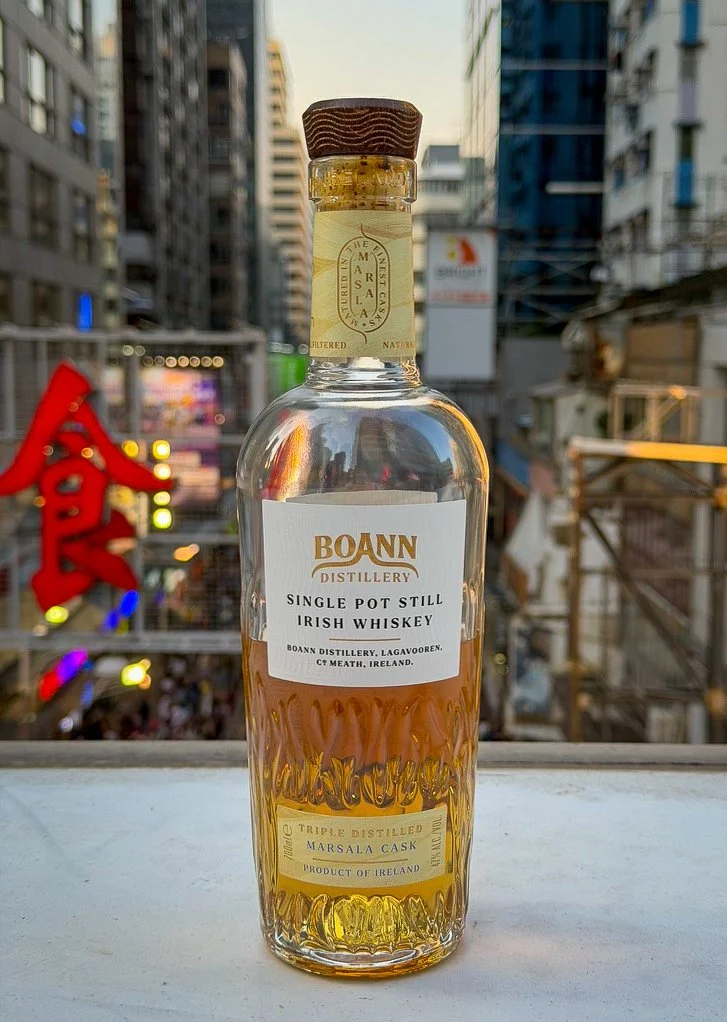
Boann Marsala Cask
Single Pot Still Irish Whiskey | 47% ABV
Score: 5/10
Average. In a Good Way.
TL;DR
Enjoyable and competent, but I expected a little more
Incidental Accidents
Whisky - or whiskey - as we know it today, regardless of how you spell it, probably originated from Ireland. Throughout this piece I’ll use both spellings where appropriate.
The earliest records of whisky probably depends on the definition of whisky, but a story from 1405 essentially describing a chieftain dying from excessive drinking of aqua vitae is widely considered the earliest mention of what we now consider as whisky. Back in those days, whisky was unaged and often flavoured with herbs. To me that sounds more like flavoured vodka, but it reminds me that a lot of “good” practices in whisky production evolved incidentally.
For example, the use of oak casks was never intended to make the whisky better, wooden casks were simply used as a convenient vessel for storage. Oak became the choice of wood for its strength and durability, as well as its watertightness, its workability for coopering, and probably most importantly, the fact that it’s not poisonous. The unintended consequence was a vessel that not only held the spirit, but enhanced it.
Another example is the three-year minimum aging requirement for Scotch and Irish whisky. This law was enacted in 1915. The then UK prime minister David Lloyd George was a staunch advocate against alcohol, especially during wartime, and approached the problem of whisky overconsumption by requiring the spirit to be aged for at least three years (initially two) as an attempt to curb consumption. A teetotaller himself, some argued that Lloyd George wanted to drive distillers out of business altogether, and while some unscrupulous producers did indeed go bust, they were the ones flooding the market with cheap unaged spirits. What remained was a boost in reputation in the Scotch whisky industry.
The example pertinent to Irish whiskey is the birth of the category of Irish single pot still whiskey. In the 18th century, the British government imposed a series of taxes to raise revenue for wars, among them was a harsh tax on malted barley. Amidst the fight against this malt tax, innovative Irish distillers found a way around this. Since the tax was aimed at malted barley, an easy cost cutting measure would be to mix in a portion of unmalted barley into the mashbill, and as much as the practice was born out of necessity, a new category of whisky was born, the Irish single pot still whiskey.
The name itself is extremely misleading, especially when put next to the term “single malt”, as if the term “single malt” wasn’t confusing enough; “single pot still” is even more confusing, but all it is was a name of differentiation for this new category of whiskey, and it’s not to be confused with Irish single malt whiskey.
Single pot still whiskey became such a huge differentiator for Irish whiskey, much like how Islay is known for producing peated whiskies, Ireland could have been known for producing single pot still, even more so than triple distilling. But the choices for this style in my market are few and far between, and either insipid (like the 40% Green Spot from Irish Distillers) or expensive (like the Redbreast 15, also from ID). Other distilleries like Bushmills (technically of Northern Ireland) only produced single malts, Cooley is even more chameleon as they don’t release anything officially, but what we can get from the independents are also single malts.
It feels like a great shame and, as Waterford came and went, it felt like an opportunity missed. As much as they banged their drum on the power of terroir, they seemed to not embrace the fact that they were Irish, which itself could potentially have been a great part of their branding. Whether that could have saved them from their eventual demise is arguable, but it just seemed like even the newer Irish distilleries weren’t producing anything distinctly Irish. In other words, to me, they were producing whisky, when they could have been producing whiskey.
And then I came across the Boann distillery.
Before I go into the meat of why they are exciting, I’d like to take a detour into the topic of sourced whiskeys, which has been very common for many producers across the pond in America. It’s no secret that companies source mature whiskey from MGP and sell it on as their own. Some do something with the sourced liquid like re-casking; some simply send it straight to the bottling hall.
New Irish distilleries have been doing the same thing - sourcing whiskey from other established distilleries. I came across such a bottle in the Glendalough Double Barrel Whiskey which, according to Ralfy, is sourced from Cooley. On the surface, there’s nothing wrong with sourcing whiskey, and I could go on a rant about transparency, but there’s a more practical issue - when a new distillery sells sourced whiskey with their name on it, and gathers a positive following, what should they do when their own whiskeys become mature enough to go to market?
If they do make the shift, drinkers would either be confused by the new whiskey, or catch on to the fact that it’s completely different. If they do keep releasing their sourced whiskeys, what would they do with their own? There are conceivable solutions, but I can’t help but think it would be messy whichever way they choose to go about it. At the Boann Distillery, they have found a neat solution.
In the early years after their founding, they sourced and released whiskeys under the brand name Whistler, apparently in honour of their founder, Pat Cooney, who would whistle as he walked the halls of the distillery. Under the Whistler brand, a wide range of whiskies and liqueurs are sold, bringing in revenue for the distillery while they quietly work their way towards a mature whiskey. Visit the distillery’s website, and you’ll find a more extensive range of Whistler whiskey than Boann’s own whiskey, but that’s by design. They’ve been selling whiskey through the Whistler brand for a lot longer, and by separating the two brands, there is a distinction between what is sourced and what is distilled on site.
What’s truly exciting to me as a drinker and enthusiast is the rebirth, if I can call it that, of Irish single pot still whiskey. I’m aware that other distilleries, such as Dingle, are producing this style as well, but it’s the first time I’ve seen it make it to my market.
Although from a value perspective, the price is steep. For a non-age-stated whiskey to cost only £10 less than the Redbreast 15 in my market, it’s very tempting to go for the latter, but there are mitigating factors, such as it being a first release and that it’s a fully natural whiskey. I was happy to give it a punt, especially after encouragement from fellow writer and Irish native Hamish.
Review
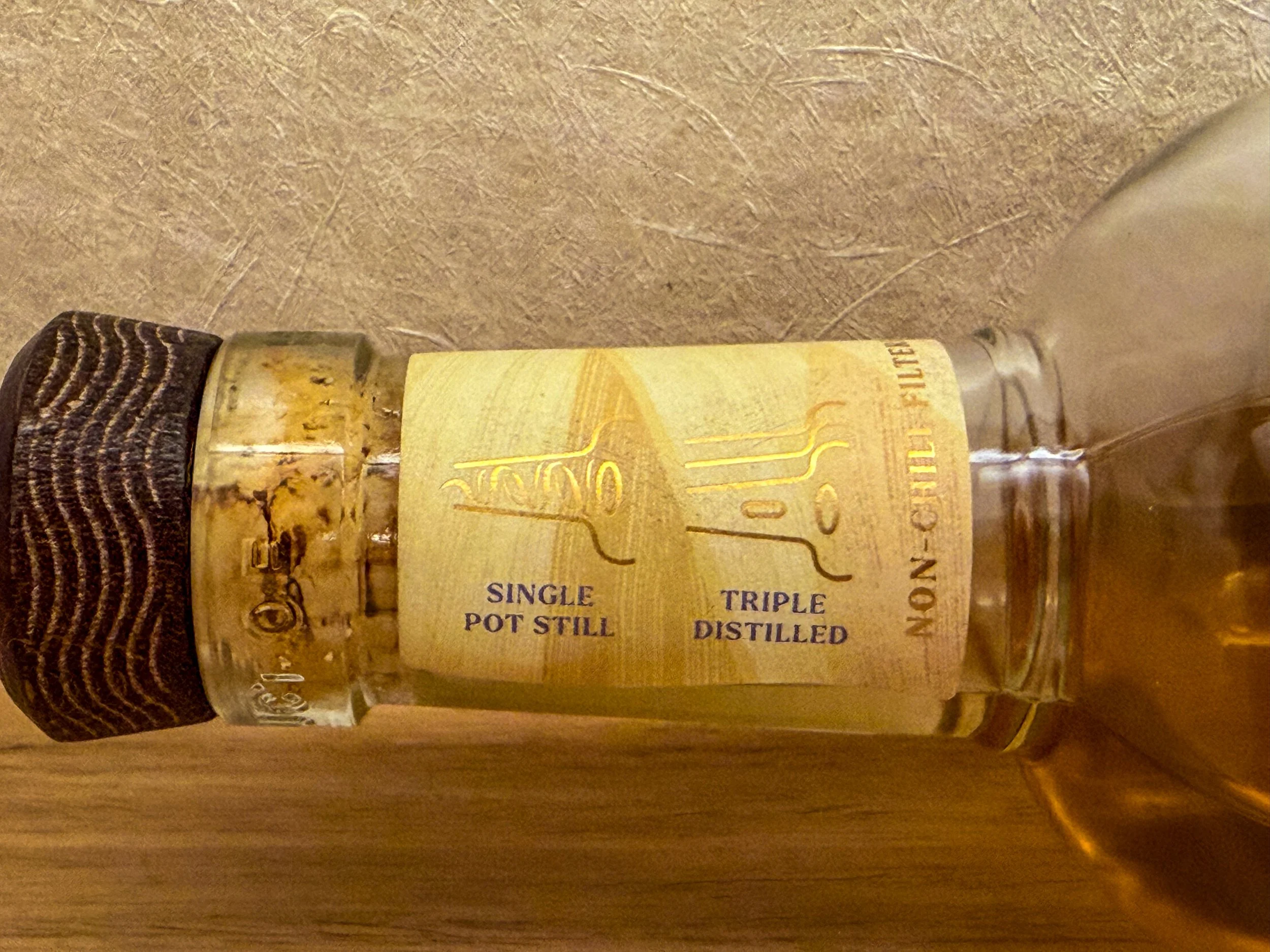
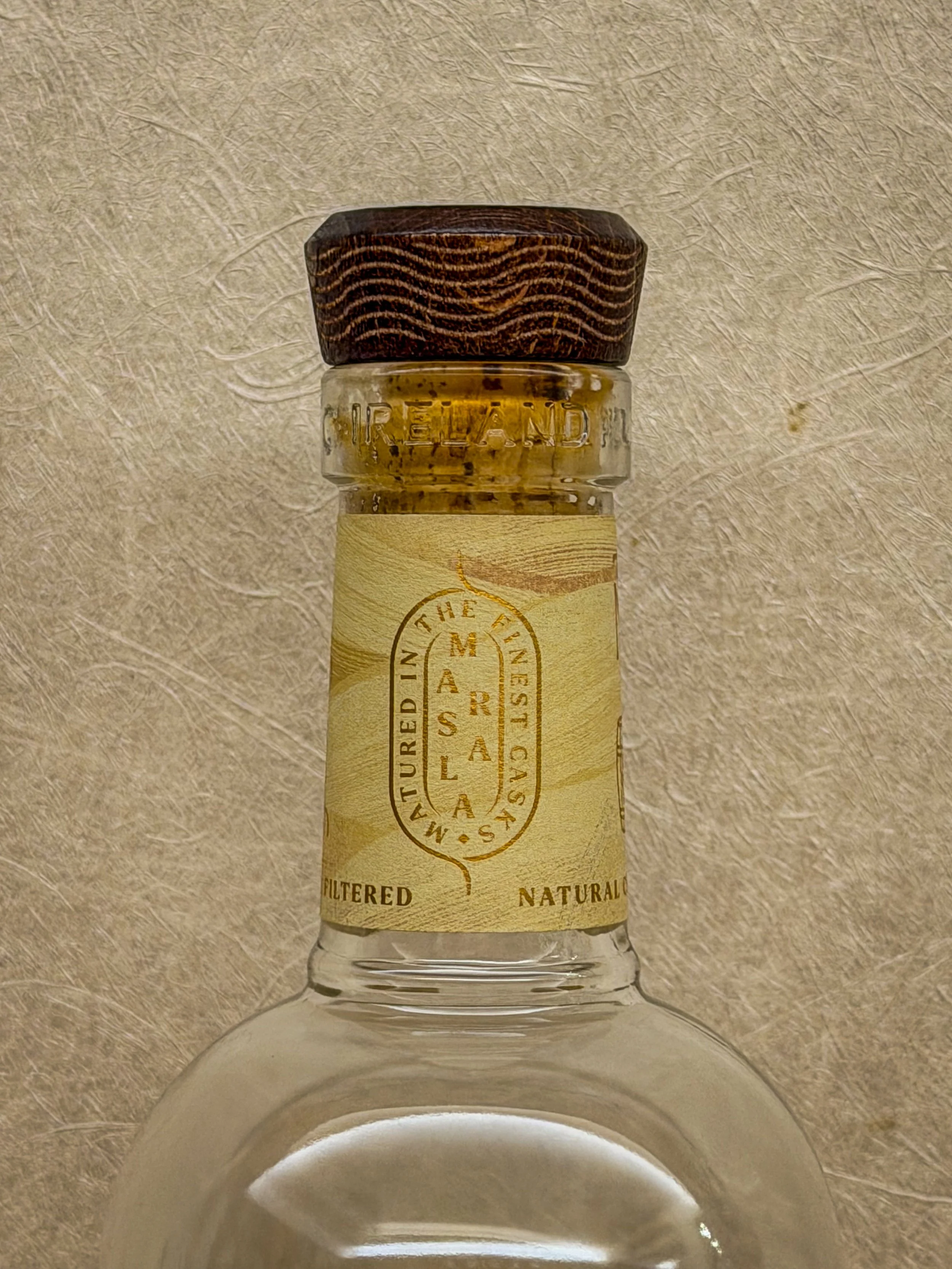
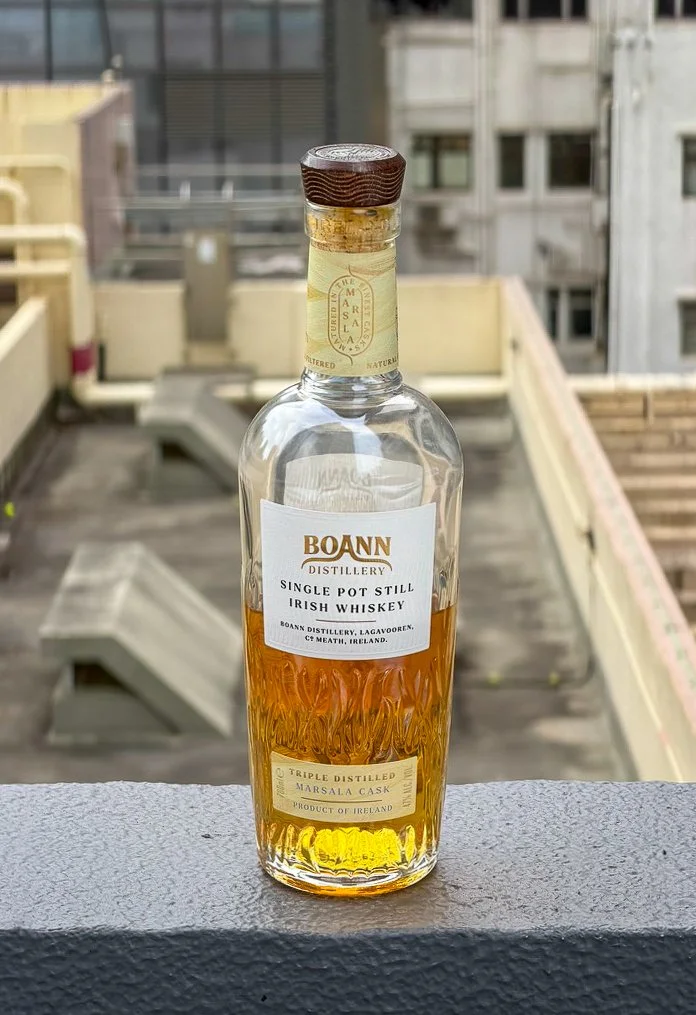
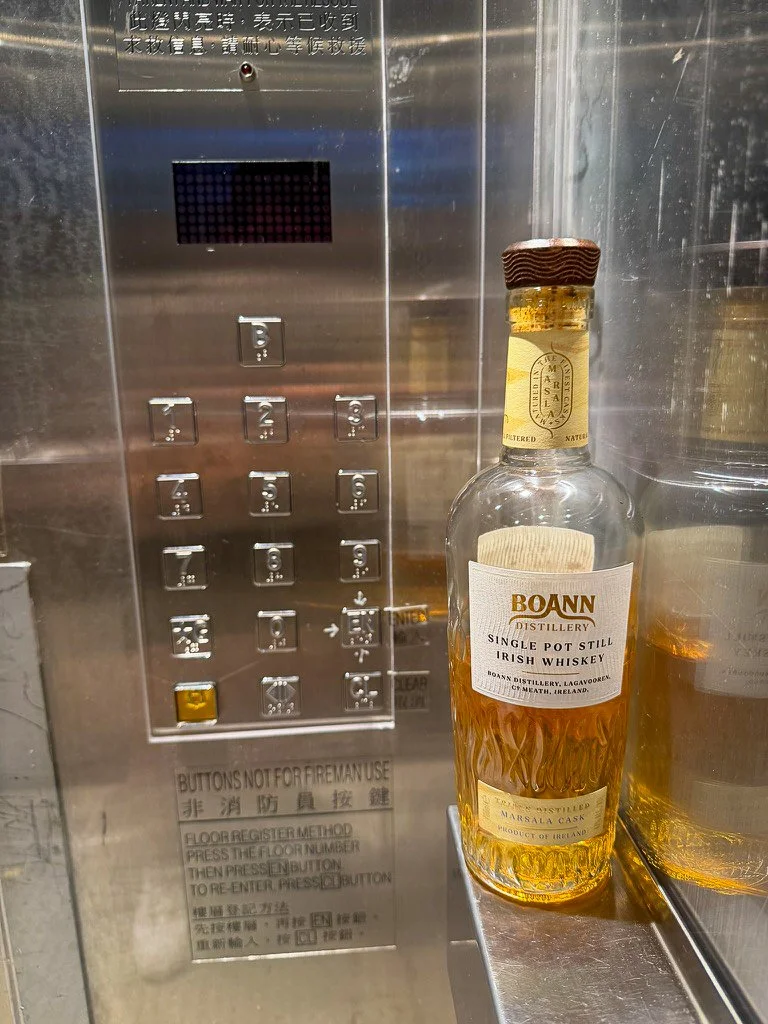
Boann Marsala Cask, 2024 bottling, single pot still Irish whiskey, 47% ABV
£80 paid and still some availability
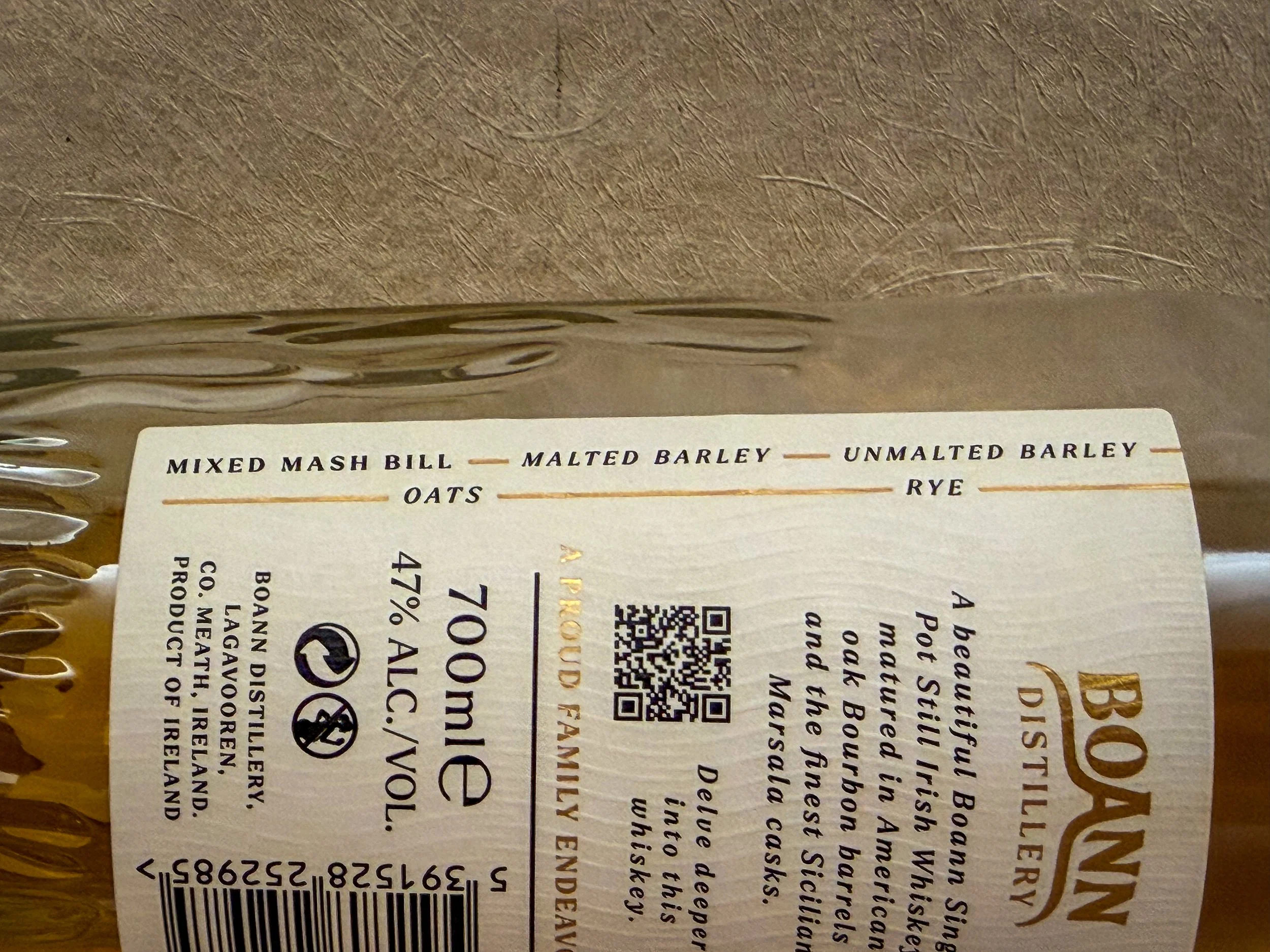
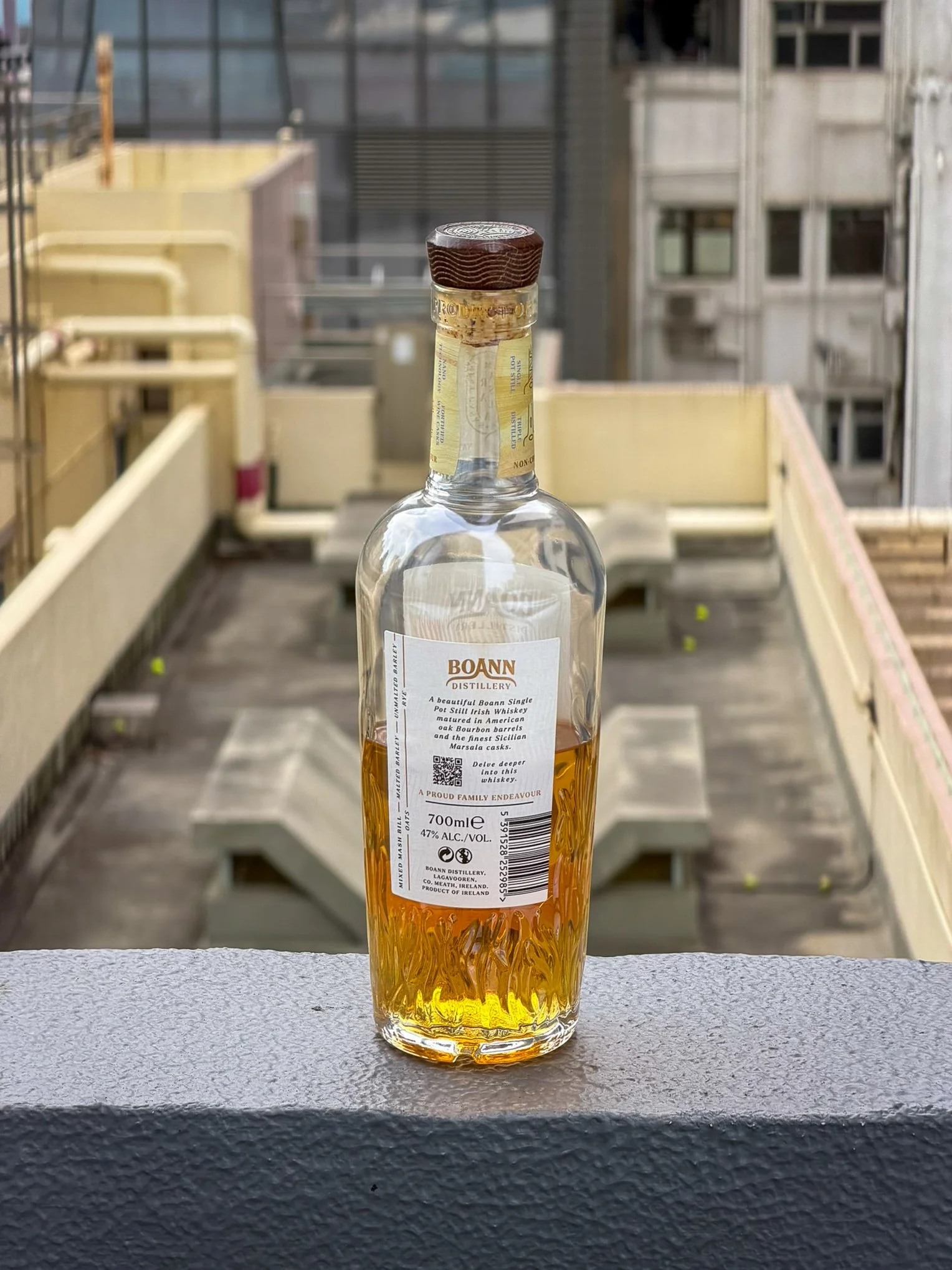
After all the positivity and buzz that this whiskey gave me, I have to give Boann a soft slap on the wrist, because from all the transparency it promised, they provide very little. I’m specifically talking about the QR code on the back label, with the words Delve deeper into this whiskey next to it. Is it unreasonable for me to expect Ardnamurchan level transparency? I don’t think so, but all it leads to is this blog post. Have I learned anything? Nada.
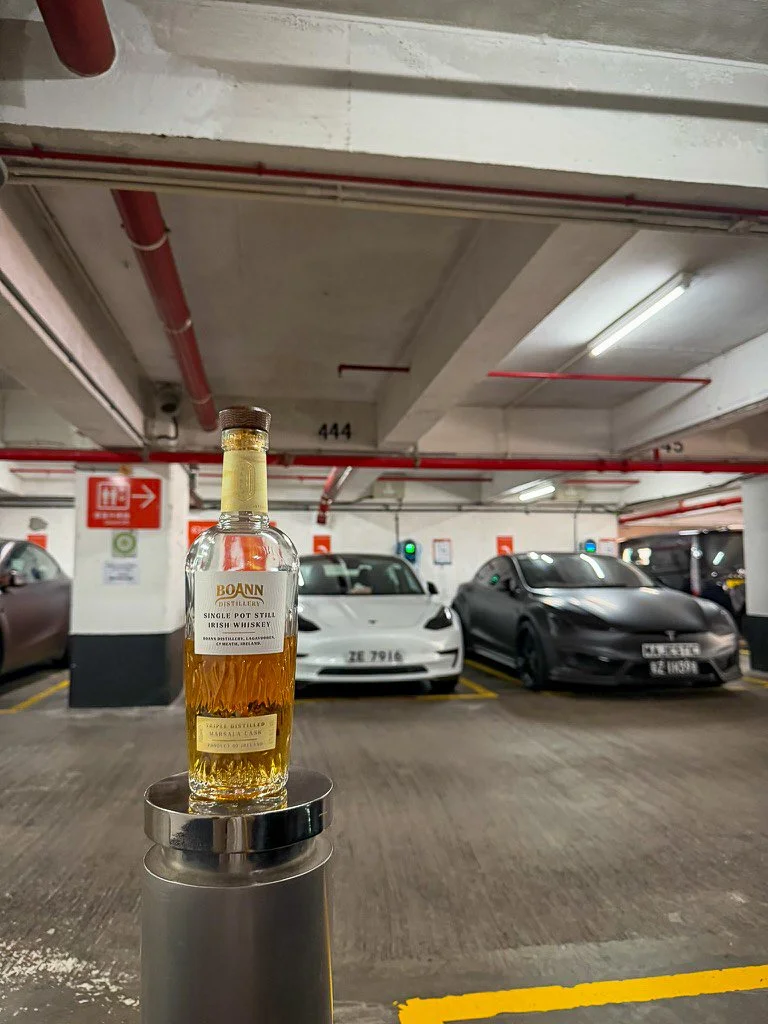
Score: 5/10
Average. In a Good Way.
TL;DR
Enjoyable and competent, but I expected a little more
Nose
Quite a prominent confectionery orange note on the nose. Honey, caramel and white chocolate, followed by a faint metallic note.
Palate
The mouth feel is quite oily, but cut through by a sharpness, possibly due to the Marsala casks, the metallic note from the nose carrying over to the palate. What was promised from an interesting nose has quite quickly dissipated to leave a relatively flat palate. I could still pick out the confectionery orange note but maybe I’m being led by the single pot still tag. I do find butter cookies on the palate, but there wasn’t much to follow from that.
The finish isn’t too long, but it didn’t give me a sense of disappointment. This might sound weird, but the shorter finish felt integrated with the whiskey on the whole.

The Dregs
Don’t let my tasting notes fool you. Despite being a seemingly simple whiskey, it’s very enjoyable. I did expect a bit more from it, but objectively speaking the whiskey is competent.
More importantly, this signals a new wave of Irish single pot still whiskey for export, while admittedly scoring this one a 5 was on the generous side I’m hoping that, as stocks mature, future releases from Boann and other Irish distilleries would be consistently pushing towards 7s, because I genuinely believe Irish whiskey has immense potential. I’m optimistic this could be fulfilled if the spirit is handled with care and the pricing remains fair.
It’s been said that nothing guarantees good Scotch whisky more than good English whisky. Well, throw in Irish whiskey as well!
Score: 5/10
Tried this? Share your thoughts in the comments below. MMc
-
Dramface is free.
Its fierce independence and community-focused content is funded by that same community. We don’t do ads, sponsorships or paid-for content. If you like what we do you can support us by becoming a Dramface member for the price of a magazine.
However, if you’ve found a particular article valuable, you also have the option to make a direct donation to the writer, here: buy me a dram - you’d make their day. Thank you.
For more on Dramface and our funding read our about page here.