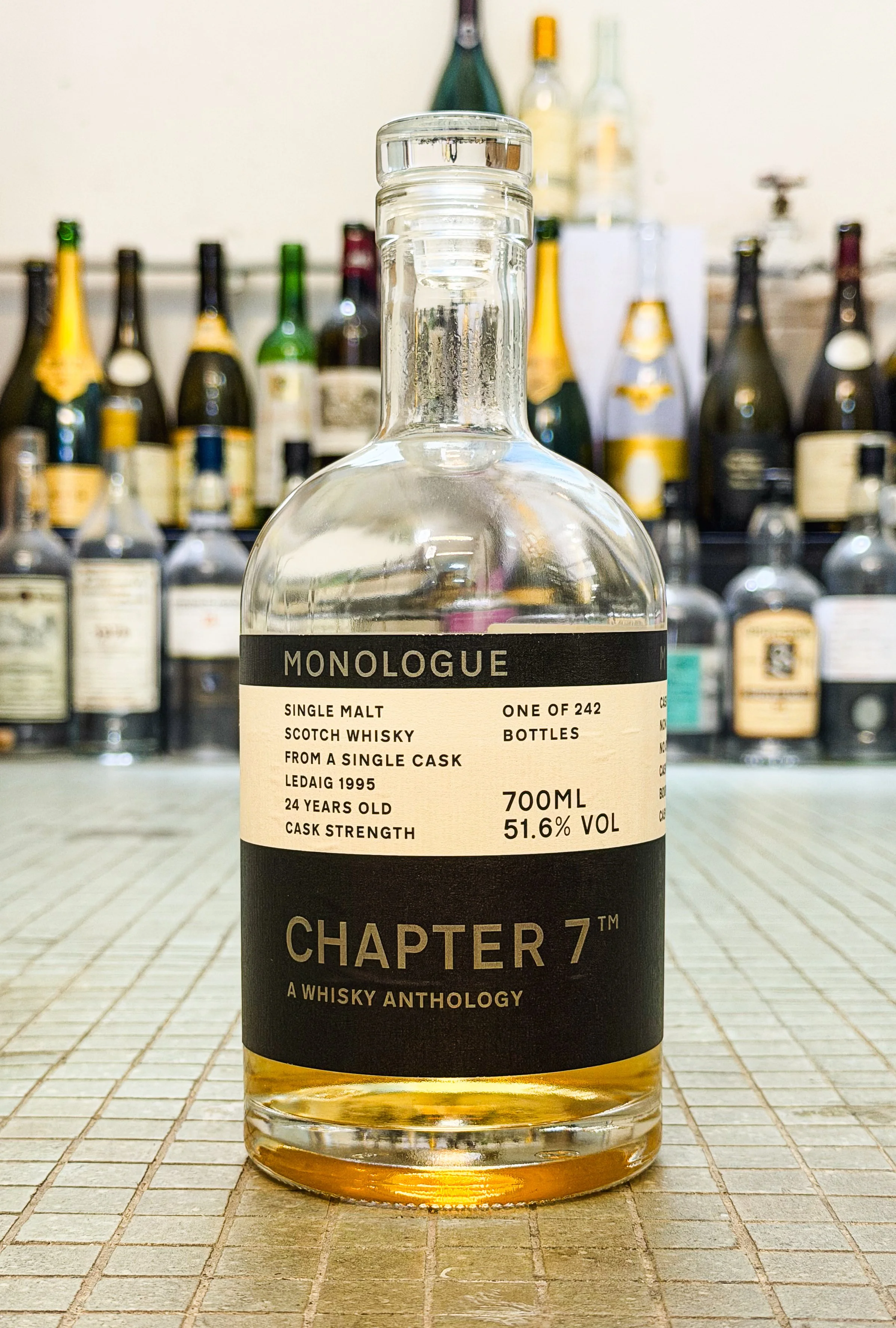
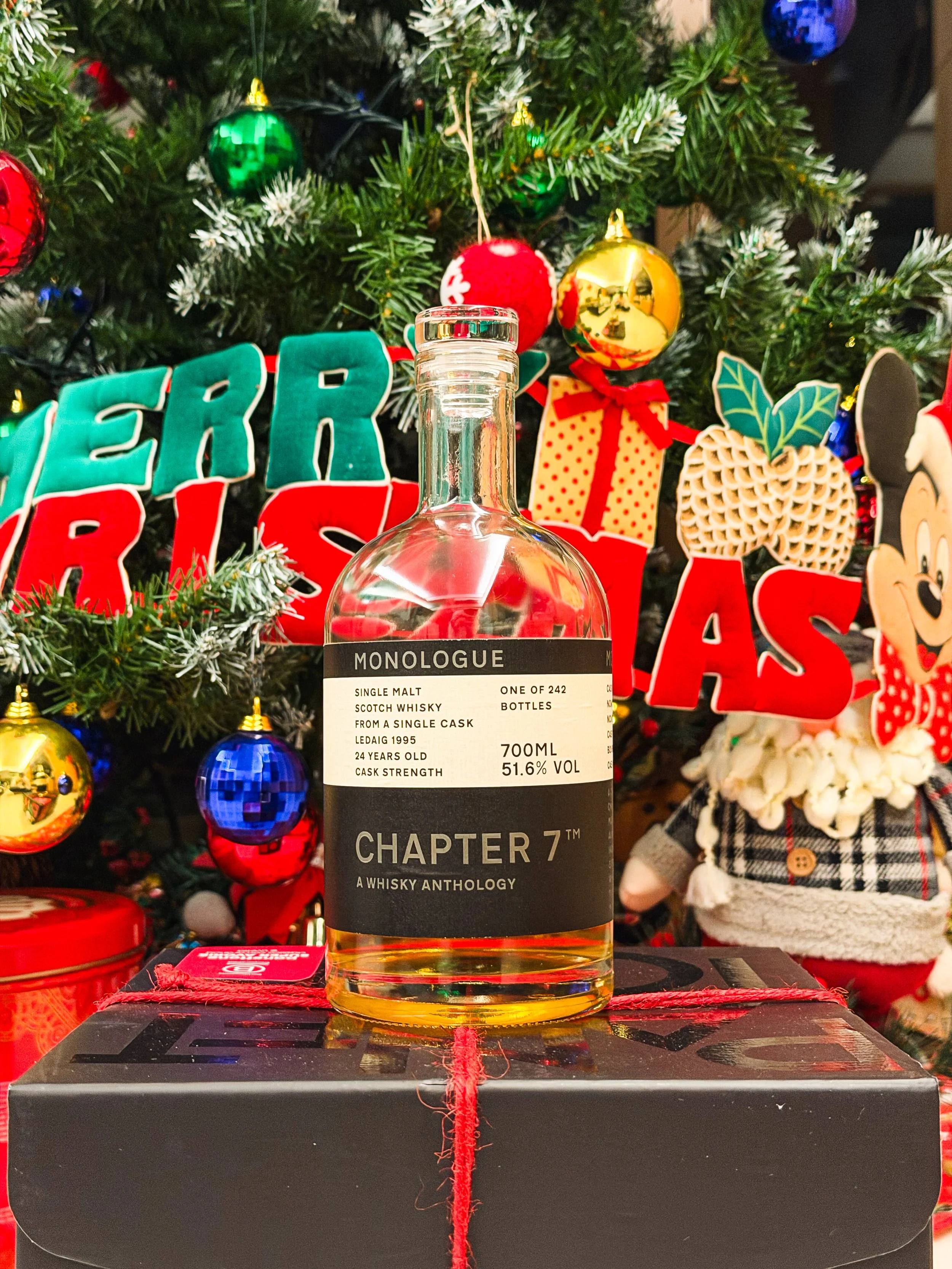
Ledaig 1995 24yo Chapter 7
Monologue/Anthology Series | 51.6% ABV
Score: 6/10
Good stuff.
TL;DR
Funky, interesting and while not objectively good, definitely not bad
What were you doing while your whisky was distilled?
A very meaningful experience happened to me personally in the year today’s subject for review was distilled; but before we get into that, allow me to ramble for a bit. Or, as the label on today’s bottle suggests; a monologue. It’s a life-changing moment after all.
I have a few passions in life: football, music, science and whisky.
There are a lot other things that interest me, but the four aforementioned things are those that I’ve truly dived into. That list was listed by chronological order as well - whisky was a what I call a COVID hobby, science was something that started in my high school days, music started off as an extra-curriculum experience, before a flip switched in my head and turned it into a passion, and football. It was hard to remember exactly when I became a football fan, but with a bit of triangulation of memory and facts from the internet, I can, because I have a very vivid memory of my first exposure to football.
Like many Asian toddlers, I was a huge fan of the cartoon Doraemon.
Doraemon was a 22nd century robot that travelled back in time into the 20th century to become friends with a hapless kid, Nobi. It was a fantastic show for children, and I was deeply obsessed with it. Aired every Sunday at 3pm, I would already have the TV turned on at 2:45 in anticipation.
On one fateful Sunday, I had everything set up for my weekly dose of Doraemon, but instead of the cartoon being shown, a live broadcast of a football match was in its place instead, the local Hong Kong FA Cup final. Excitement turned into disappointment, which manifested as rage (as much rage as a toddler can express). The weekly thing that I looked forward to was taken away from me, replaced by twenty-two people kicking a ball around a grass pitch. I threw a tantrum in front of the TV, probably in tears.
But for some reason, I stayed on the couch, eyes glued to the screen, and watched the football instead; a team in blue playing against a team in white, and something captivated me. It’s hard to imagine a toddler enjoying a football match without any prior knowledge, but I must have grown fond of the football, because I managed to watch the full match. I even developed an affection for one of those teams (the losing team, which might have played a part in developing my inclination for supporting the underdog). The score was 3:0, something that would become important today.
From that day on my interest in football grew day by day. I asked mom to enrol me into football classes, I asked dad to bring me to local games, I even started to study the rules and managed to find interesting quirks, such as the fact that a square pitch (100 yards by 100 yards) was a legal dimension, and this was all before I had access to the internet. Soon, football magazines and books filled my shelf. Football was my life; school was an annoying distraction.
I’m not the only person whose childhood had been dominated by football, but I was different from most others in one aspect: from a young age, I’ve identified myself as a goalkeeper, the man between the sticks to prevent what most people aspire to do - score goals.
For context, most goalkeepers were bullied at one stage or another to play in that position, I played it willingly. And being a young goalkeeper comes with a lot of abuse from your team mates, any mistake could cost your team, so your team mates often place the blame on you when a goal is conceded; on top of that, goalkeepers don’t get credit when the team scores, because they can’t be further away from the action. All of these had consequences outside of football as my performance on the pitch the previous day could be the focus of conversation at lunchtimes: “cool kids” would comment on how I cost the team by not saving a shot that led to a goal. I wouldn’t actually classify it as bullying, but I felt I was definitely treated unfairly, simply because of the role I played in a sport.
Such is the life of a goalkeeper.
They say you have to be a mad person to be a goalkeeper, and it’s not hard to understand why, it’s a thankless job, you get abused and your job is to throw any body part at footballs blasted towards the goal. For those who think it's worth it, or even enjoyable, they must be mad, and I belong to that group of mad people.
The real test of character, though, was when I joined a competitive men’s team as an 18 year old. To allow you to fully comprehend why it was a test of character, let me try to explain the full scope of duties for a goalkeeper.
Primarily, the job is simple; prevent the opposition from scoring. Secondarily, when your team has the ball, offer yourself as a passing option; unlike outfield players, goalkeepers can use their hands inside a designated area called the penalty box, but when they receive a pass from a team mate, that privilege is taken away. So we must also have to be somewhat proficient with playing football like a normal footballer, but unlike other players, one misplaced pass can mean disaster, because we are the last line of defence.
The one most frequently performed-but-overlooked duty of a goalkeeper is communication, and one that is generally not noticed by casual viewers. Positioned as we are, we can see the whole pitch, which makes us the ideal candidate for organising the team’s shape, especially when the team is defending. A simple example is when a defender doesn’t realise that he’s out of position or that an opposition attacker is lurking in his blind side, it would become the goalkeeper’s job to remind him, and for a shy and quiet youngster, that is the toughest part of the job.
When I said “remind” earlier, it’s not like I could go up to said defender, tap him on the shoulder, and politely tell him “you should be positioned two yards to your left” - I would have to shout at the top of my lungs to make sure I’m heard. But imagine an 18-year-old inexperienced goalkeeper shouting at a 36-year-old seasoned defender; telling him how he should be playing his football, adding to the fact that two minutes prior the same defender might have been shouting at me for not holding onto a shot or coming out to claim a cross. I could hardly have the right to be shouting at him, even though it’s literally my job to do so. And if I shied away from it and the team conceded because of that, I would get yelled at as well, “Murdo! You gotta let me know!”
Such is life as a goalkeeper.
It’s a huge character-building adventure. To show up every week, take the criticism, and move on as a better goalkeeper: to learn about the game and be able to think critically on the spot, and to shout short and concise commands at your team mates. Not to be the bigger man, but to help the team the best way I can; to make mistakes and learn from them, to observe my team mates’ mistakes and help them learn from them - to be the player who touches the ball the least, but have the biggest influence on the team.
It’s not easy to be a goalkeeper and maybe it’s mad to persist in the role; but if you identify yourself as a goalkeeper, welcome to the club, the so-called “Goalkeepers’ Union” - a casual term to refer to goalkeepers standing up for each other, sometimes unreasonably so, even when we play for opposing teams, because we are the only people who understand each other.
As I turn 37 before the end of December, I still play for the team that I joined at the age of 18. Today, I walk onto the pitch with confidence, my commanding voice can be heard anywhere on the pitch, I have the respect of my teammates when I shout instructions, and most importantly, I have gotten a lot better at keeping the ball out of my goal as well.
I look back at this experience with gratitude for the opportunity it has given me as a footballer, for the opportunity the experience has shaped me as a person, for the memories of success and failure (promotions and relegations, and three cup final defeats), and most of all, for the friendships that I’ve made along the way. We still have the same manager - a delightfully grumpy Glaswegian. And, unbelievably, two other current players have been at the club longer than me.
Circumstances in life meant that I have no longer been able to make matches as frequently as I would have liked, and because it’s preferable to have a consistently available goalkeeper, I have fallen down the pecking order from first-choice to backup. Seeing my situation, other clubs have asked if I’d like to swap allegiances, but I have always said no, this club holds a special place in my heart, and as long as they are willing to keep me around, I will always stick around.
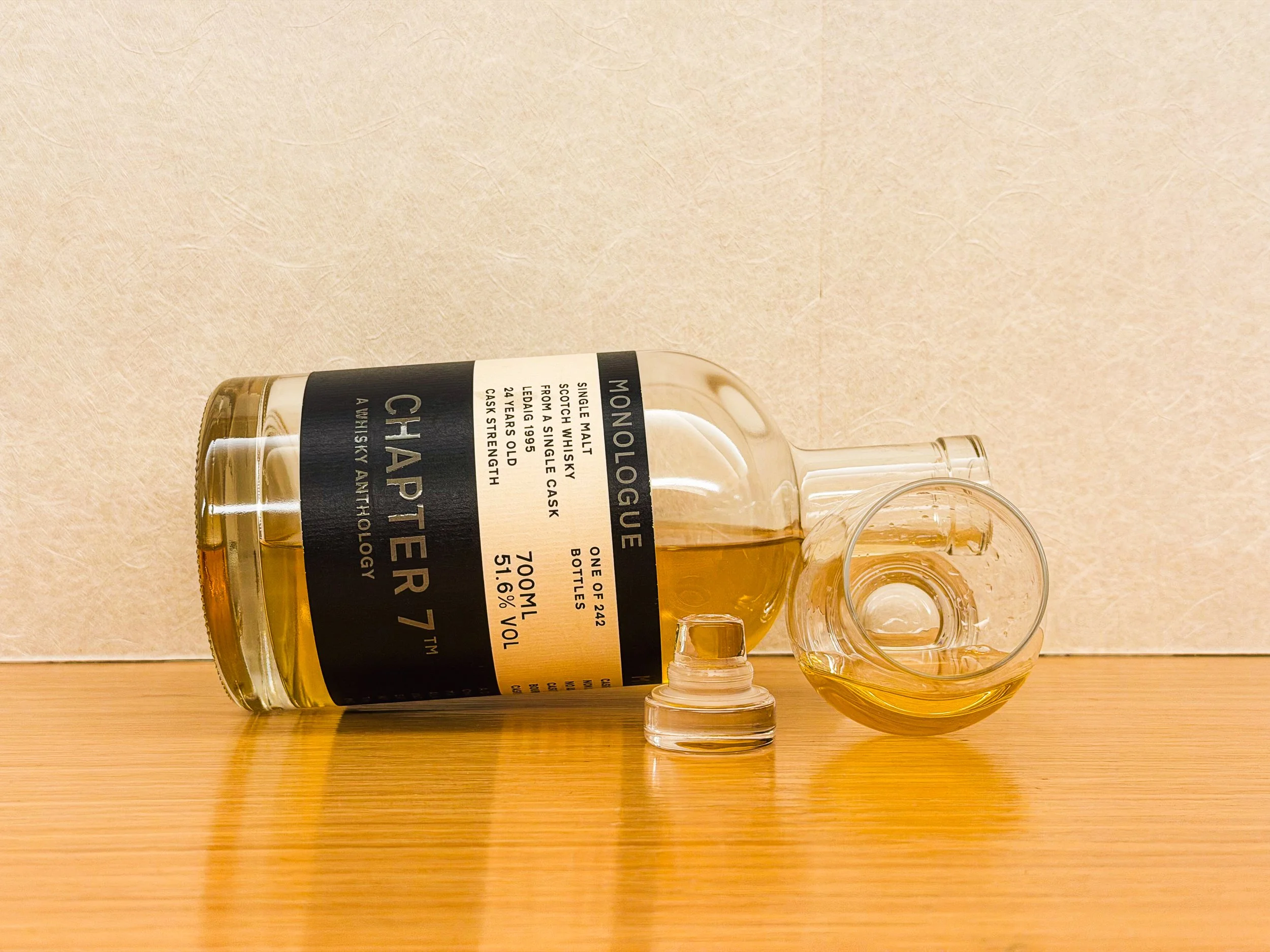
Review
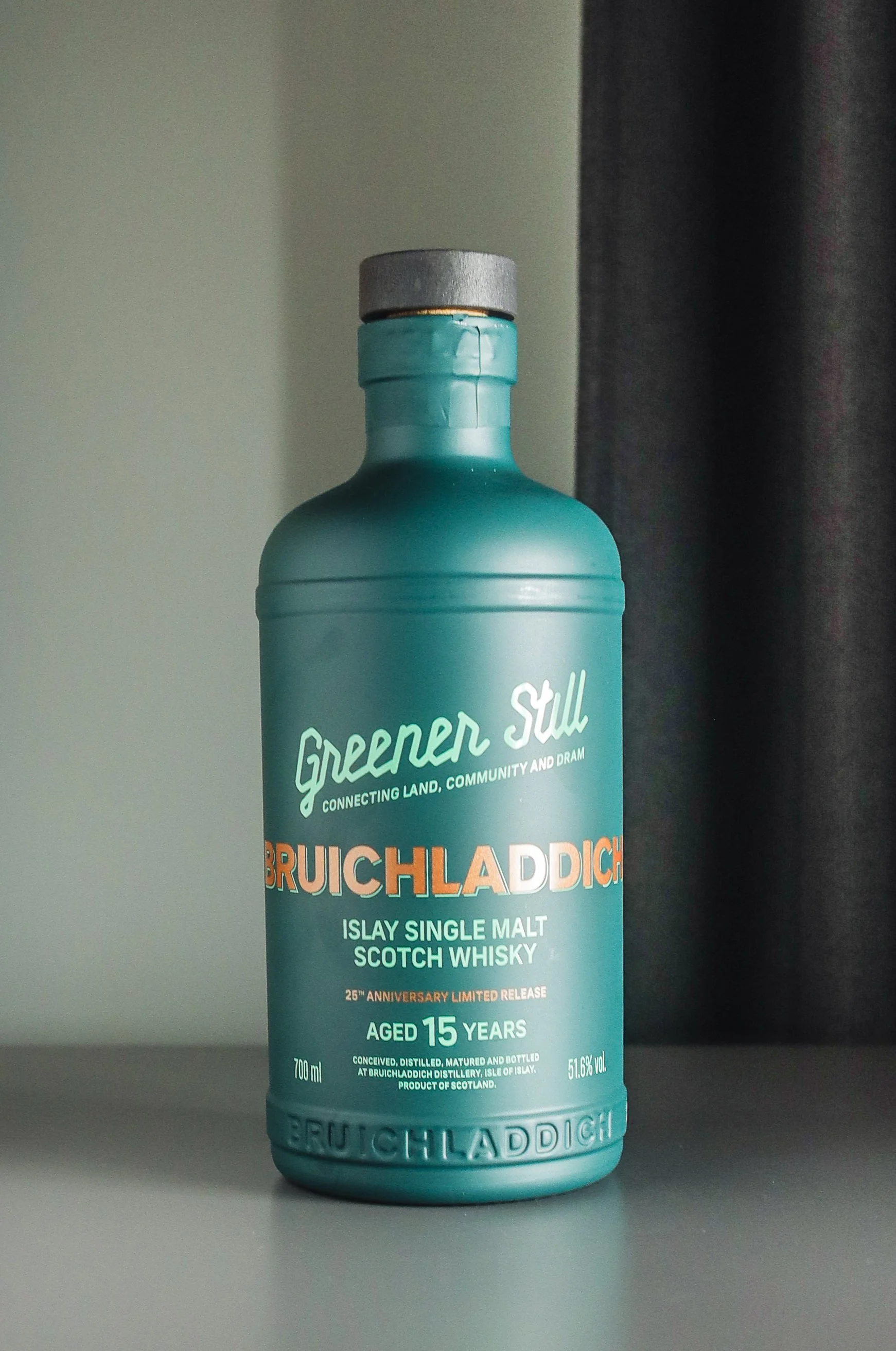
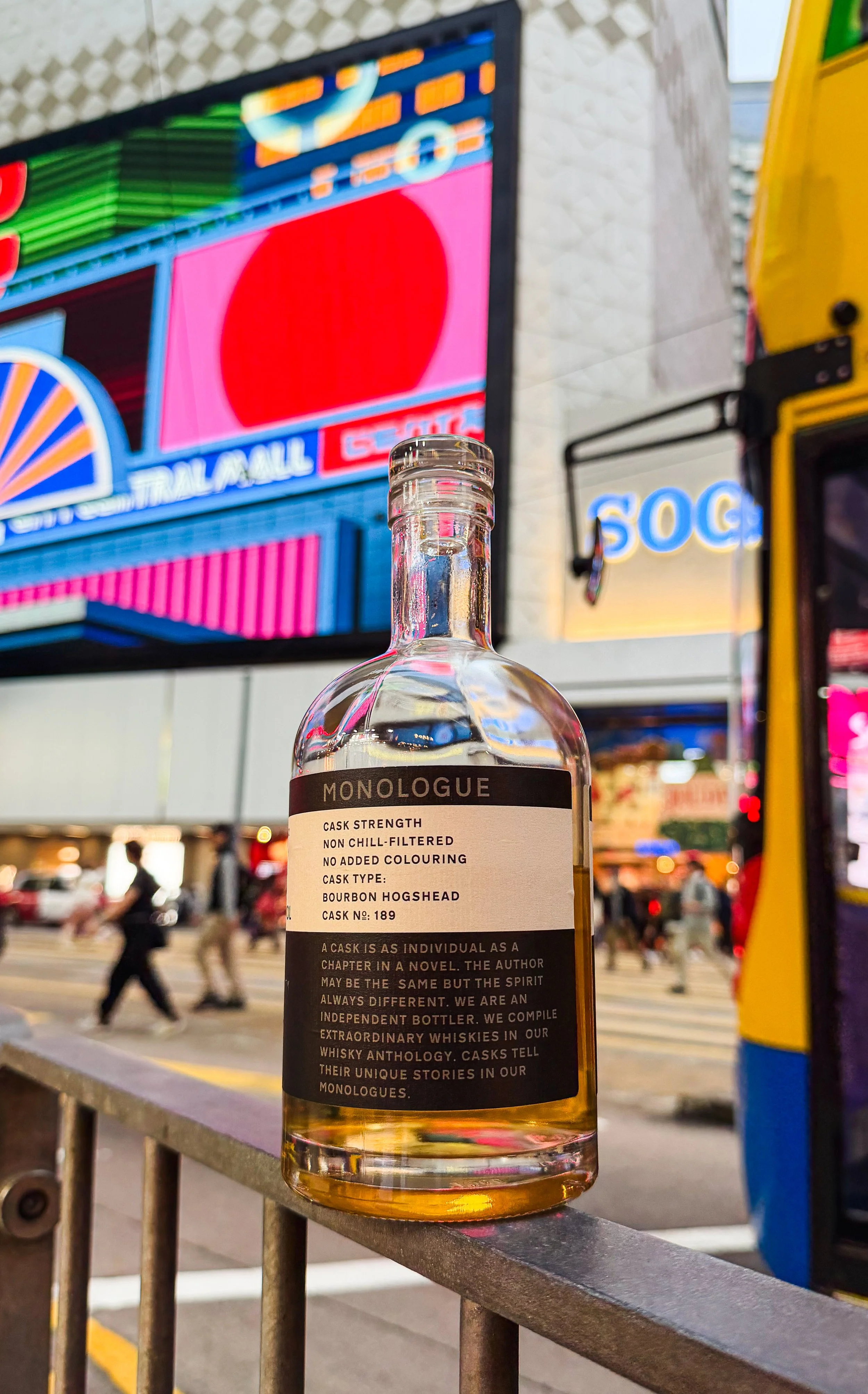
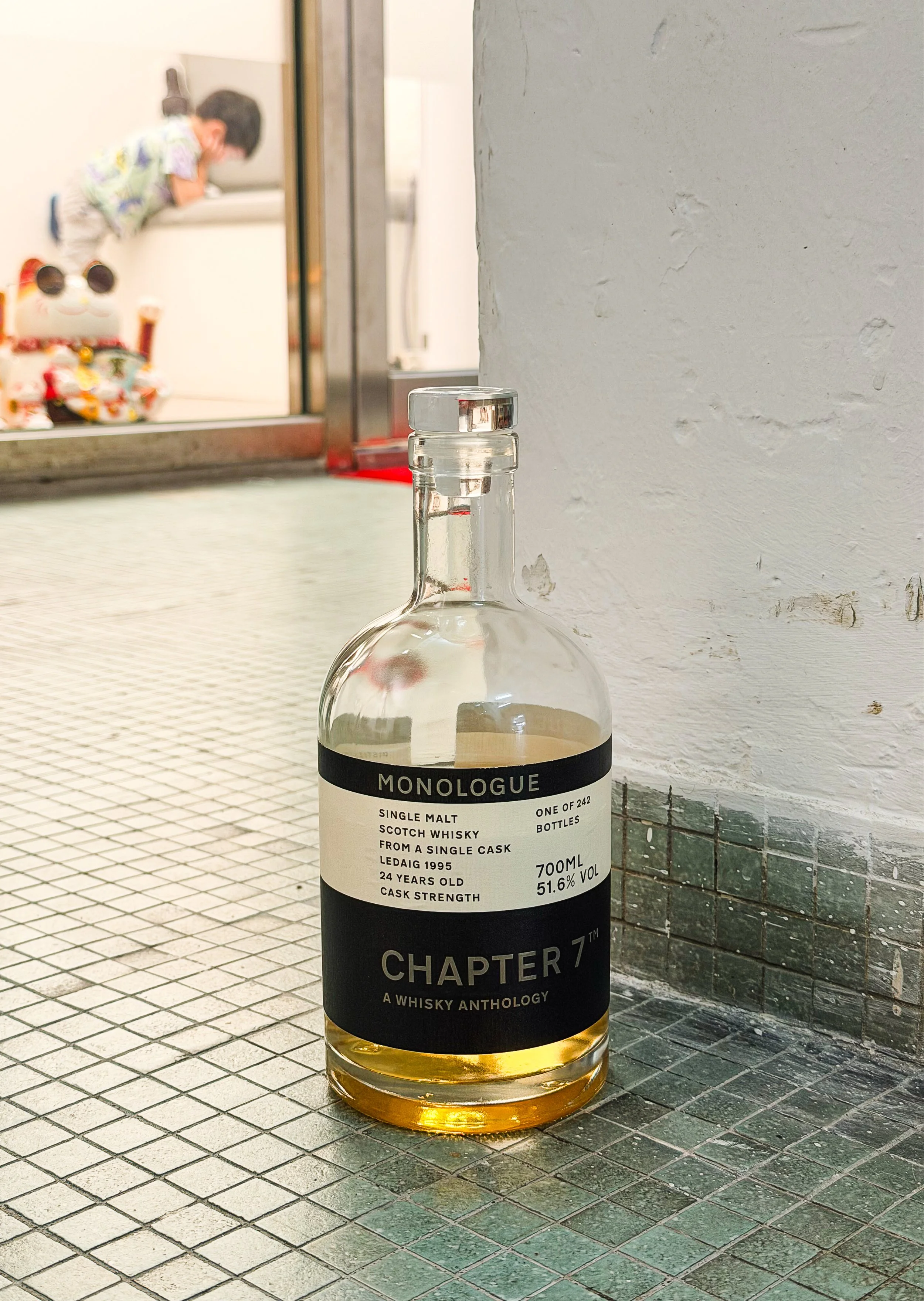
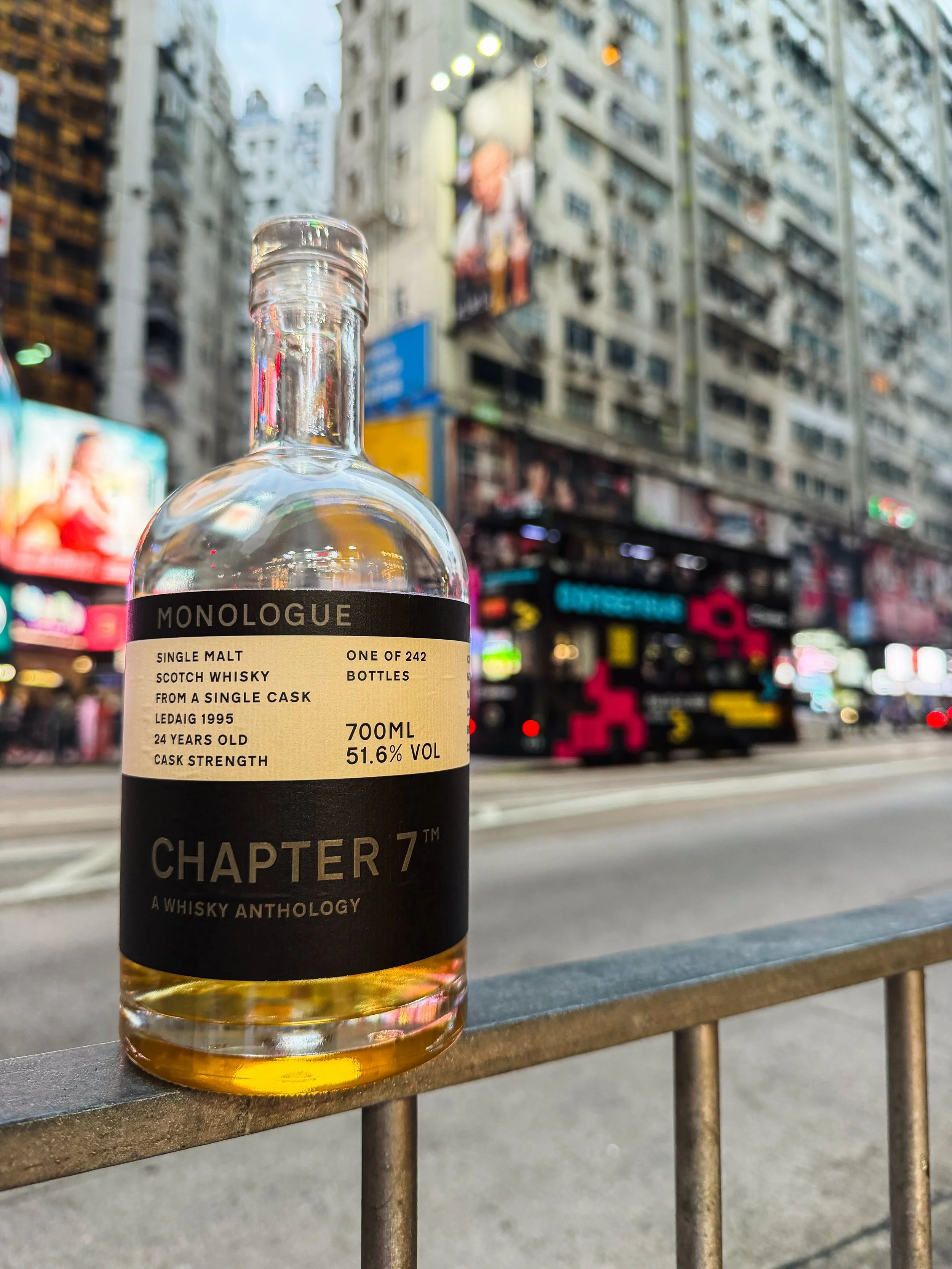
Ledaig 24yo, 1995 Chapter 7, A Whisky Anthology - Monologue, Bourbon hogshead, 51.6% ABV
£148 paid, secondary only
This particular independent bottler actually fell into liquidation earlier this year but has since been bought out by Ardent Spirits. It would seem the brand will be given a second chance.
Score: 6/10
Good stuff.
TL;DR
Funky, interesting and while not objectively good, definitely not bad
Nose
Herbal green tea, slightly sour with a subtle metallic note. As it sits in the glass, given a bit of time, a distinctive lime note appears, and there’s a sulphur note lurking in the background.
Palate
Spicy peppery arrival, both white and black pepper, sour mustard, the texture is thin but the sensation is intense; on the development there are more typical ex-bourbon notes, caramel, vanilla, salty bananas, watermelons, ginger, even a note of rum. An interesting peppery meatiness develops, white meat rather than red meat; the finish is medium in length, most of the complexity fades away, leaving a pleasant bitterness resembling black tea leaves.
The Dregs
Personally, I don’t think this is an objectively outstanding whisky, but it's uniquely funky and cognitively interesting.
I find the whisky quite unique because of these flavours, the metallic note on the nose is one that I associate with whiskies from half a century ago - ones that I’ve been lucky enough to try. Meatiness has been a bit of a mystery to me in my earlier encounters with whisky, but with enough exposure and experience, I think I have a mental marker for what meatiness is in whisky; however, the meatiness in this whisky is different, so much so that I can distinguish it as white meat rather than red meat.
It’s cognitively interesting because it’s branded as Ledaig, but I detect no peat smoke whatsoever, which piqued my curiosity into the history of the distillation regime at Tobermory.
I know that the distillery was originally named Ledaig, it was renamed to Tobermory in 1979 when it was acquired by Kirkleavington Property Co., although exactly when Ledaig became an intentional brand name for their peated whiskies has so far evaded my research. I have seen bottles of Ledaig marked as “unpeated” on the label, which sort of clears things up at least for those particular bottles, but that’s not the case for this bottle. In fact I originally bought this bottle in the hopes of looking for an affordable option of a well-aged peated whisky; obviously it didn’t provide that experience; nonetheless it provided an alternative and surprisingly interesting experience.
Remember that FA Cup final that upset me so much? I didn’t mention what year that was, because I genuinely couldn’t remember, but thanks to Wikipedia I could look up all the results of Hong Kong FA Cup Finals, and the score was 3:0 on exactly one occasion after I was born: 1995.
And so. What was I doing the year this whisky was distilled?
My memory of 1995 is a haze to me, I was six years old, and I really don’t remember what happened in my life in 1995, except for the fact that I sat in front of the TV to watch the first football match in my life.
Score: 6/10
Tried this? Share your thoughts in the comments below. MM
-
Dramface is free.
Its fierce independence and community-focused content is funded by that same community. We don’t do ads, sponsorships or paid-for content. If you like what we do you can support us by becoming a Dramface member for the price of a magazine.
However, if you’ve found a particular article valuable, you also have the option to make a direct donation to the writer, here: buy me a dram - you’d make their day. Thank you.
For more on Dramface and our funding read our about page here.