Official vs Indy: Cardhu
12yo and 11yo Special Release vs James Eadie | various ABV
Whisky for the supermarket?
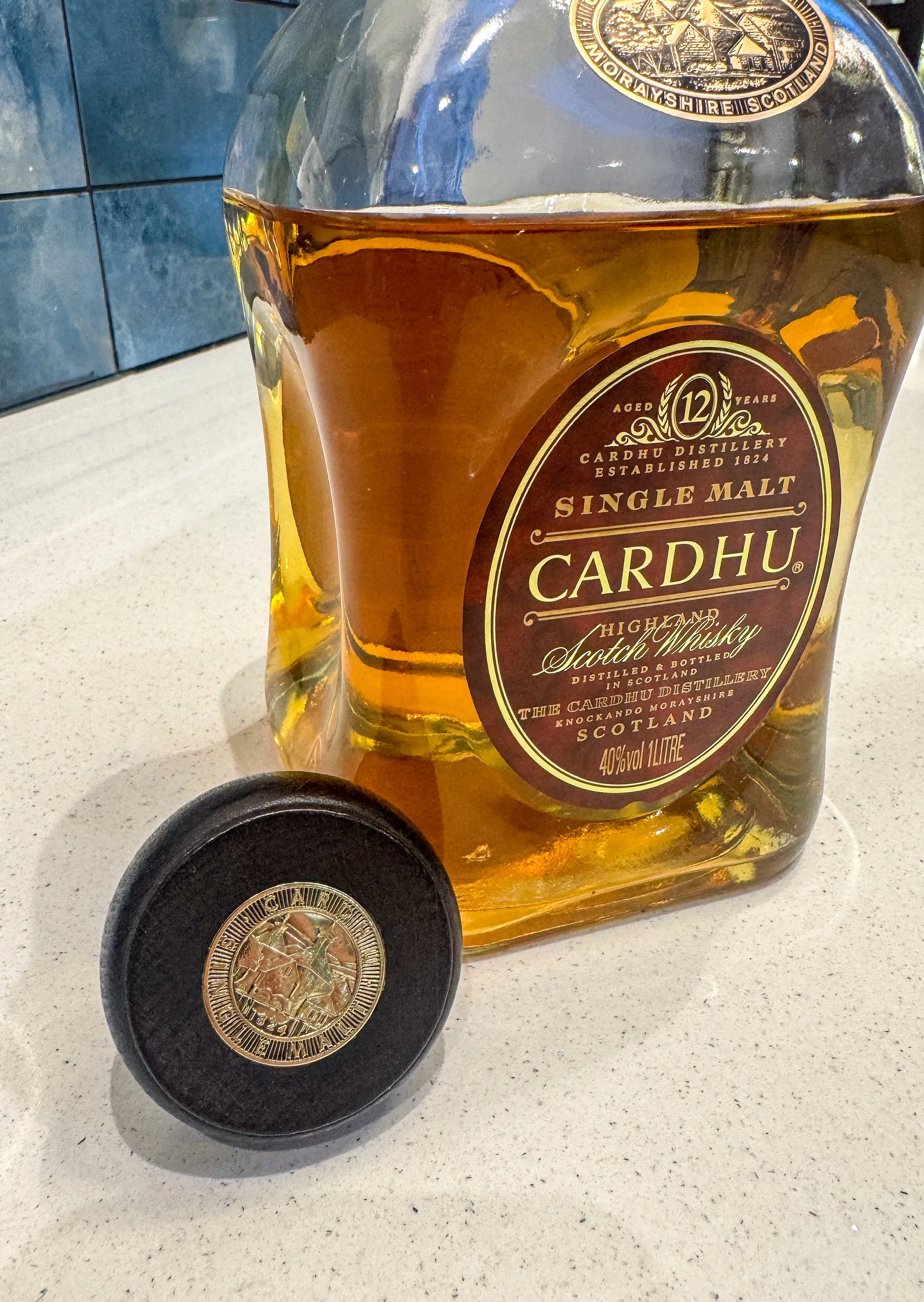
Whenever I think of Cardhu, I envisage that bottle on the supermarket shelf; square, but twisted like a Salvador Dali painting. It is definitely an attractive bottle, whether it is the non-age statement Gold Reserve variant or the (slightly less likely to put in an appearance these days) 12-year-old.
Most of us will have tried Cardhu, usually early on in the whisky journey. Not many went back for a second bottle, I dare say – or certainly not at the point they are reading articles on Dramface. The bottle does its job, it attracts people and the curves, I would say, are specifically there to give the casual buyer a sense of ease, to suggest that what they are about to get is mellow and easy going – I doubt it is a cheap bottle to produce but it does its job.
I looked at Royal Lochnagar recently, a bit-part player in the Diageo portfolio; a small cog in the Diageo blend machine, but Cardhu sits at the other end, much closer to the core – more of a piston than a cog, you could say. Cardhu gets referred to as the spiritual home of Johnnie Walker, which is maybe just a polite way of saying most of it is made for absolutely nothing other than vanishing into the Johnnie Walker blends.
The name Cardhu originates from the Gaelic term Carn Dubh, meaning "Black Rock," formerly known as Cardow. It began as a farm distillery on Mannoch Hill, leased by John Cumming, a smuggler who went legal in 1824. Whisky was sold discreetly through the farmhouse window and a flag was raised over the barn to alert neighbours of any excisemen's presence. Elizabeth Cumming, two generations later, inherited the distillery in the 1870s and got herself called the Queen of the Whisky Trade. She revamped and enlarged the distillery in the 1880s, selling the outdated stills to William Grant, to be used in the establishment of Glenfiddich.
In 1893, Cardhu was acquired by John Walker & Sons, with the Cumming family retaining managerial control and a seat on the board of the company that had just bought them. Currently owned by Diageo, Cardhu is situated near Archiestown in Speyside, producing approximately 3.4 to 3.5 million litres yearly of light, unpeated spirit. It's the Speyside backbone of Johnnie Walker, and one of Diageo's four “brand corners” as they call it.
From a geeky whisky perspective there is probably one thing that Cardhu is best known for though and it has nothing to do with how the liquid tastes.
In the early 2000s Cardhu was apparently enormous in Spain and southern Europe, the best-selling single malt in fact. Demand was so high that it exceeded what the distillery could make, bearing in mind that Johnnie Walker had priority on the spirit anyway. In response, Diageo rebranded Cardhu 12-year-old as Cardhu Pure Malt in 2003, blending malts from various distilleries (Glendullan mainly) but keeping the same name and packaging. Nobody told the drinkers - obviously - who carried on buying it as the single malt they already knew. The rest of the industry was not impressed and went off on one, and not quietly, about exactly what the words "single malt" meant.
After intervention by the Scotch Whisky Association, Diageo withdrew the product, reinstating Cardhu as a standalone single malt in 2004. This incident led to the retirement of terms like "Pure Malt" and "Vatted Malt," replaced by the clearer "Blended Malt" classification used today. The Scotch Whisky Regulations 2009 officially outlawed the ambiguous term "pure malt" and replaced it strictly with "blended malt”.
Independent Cardhu is hard to come by as Johnnie Walker gets it all. So, is there a Cardhu worth having? Three bottles, but this time, only one of them independent.
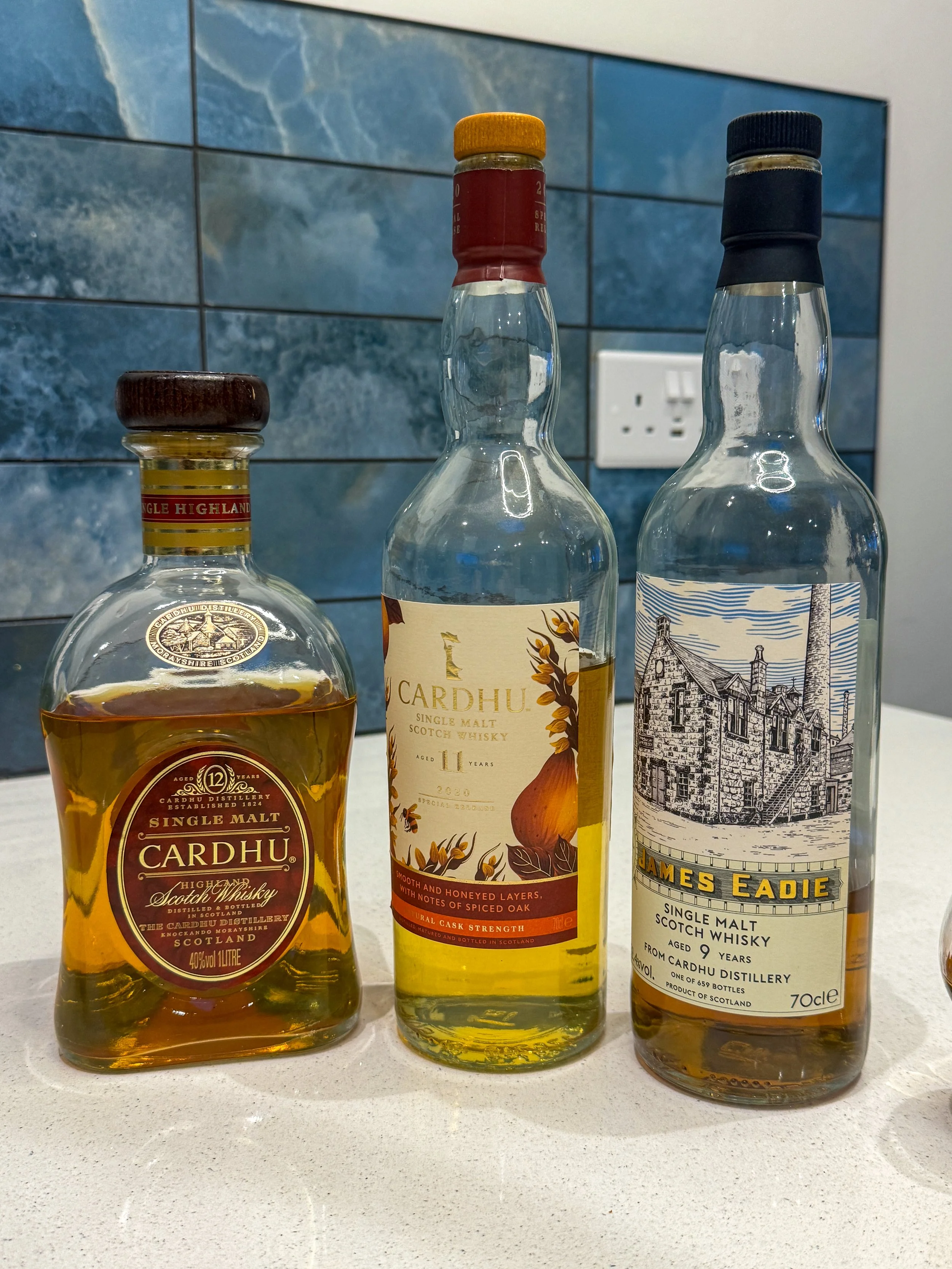
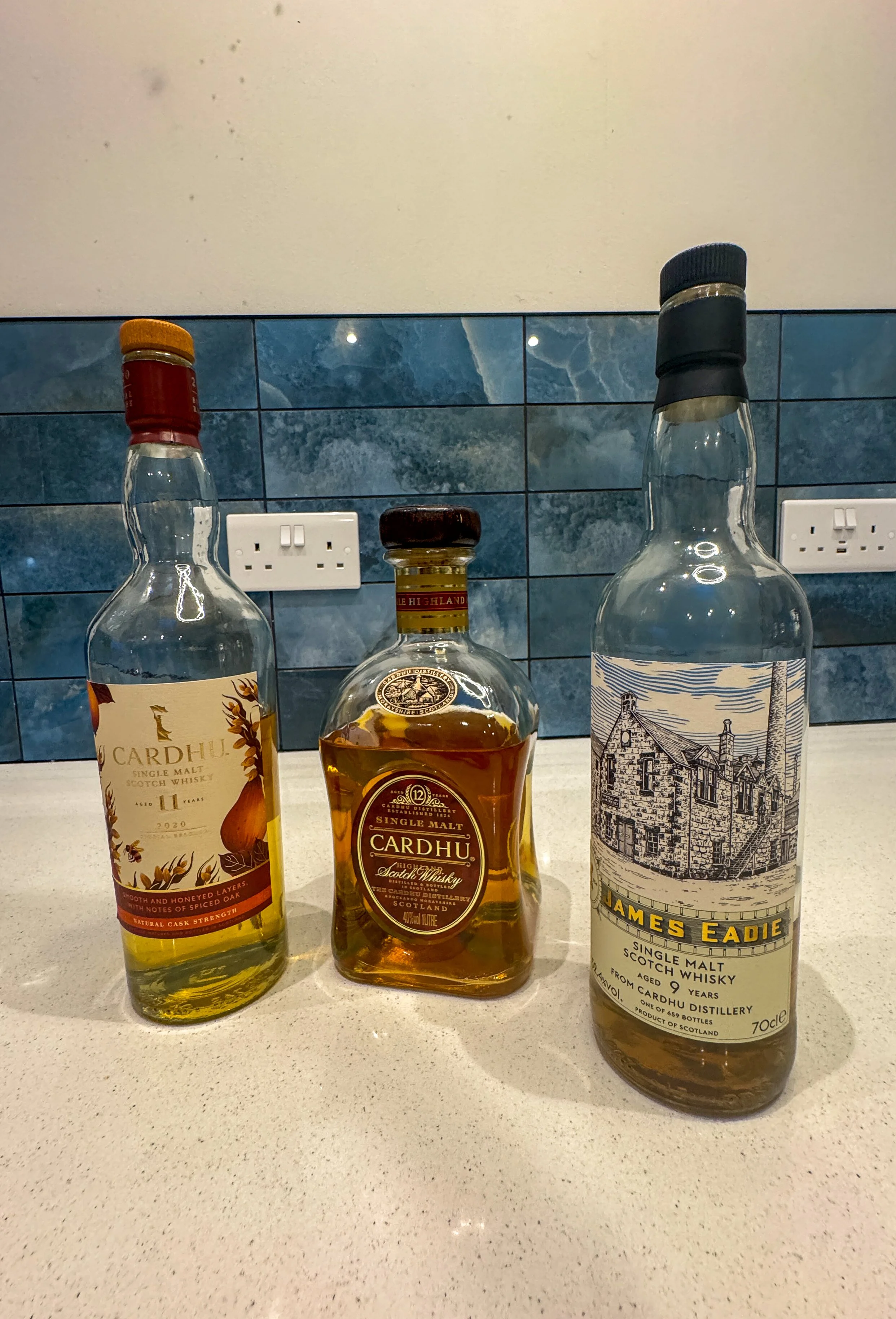
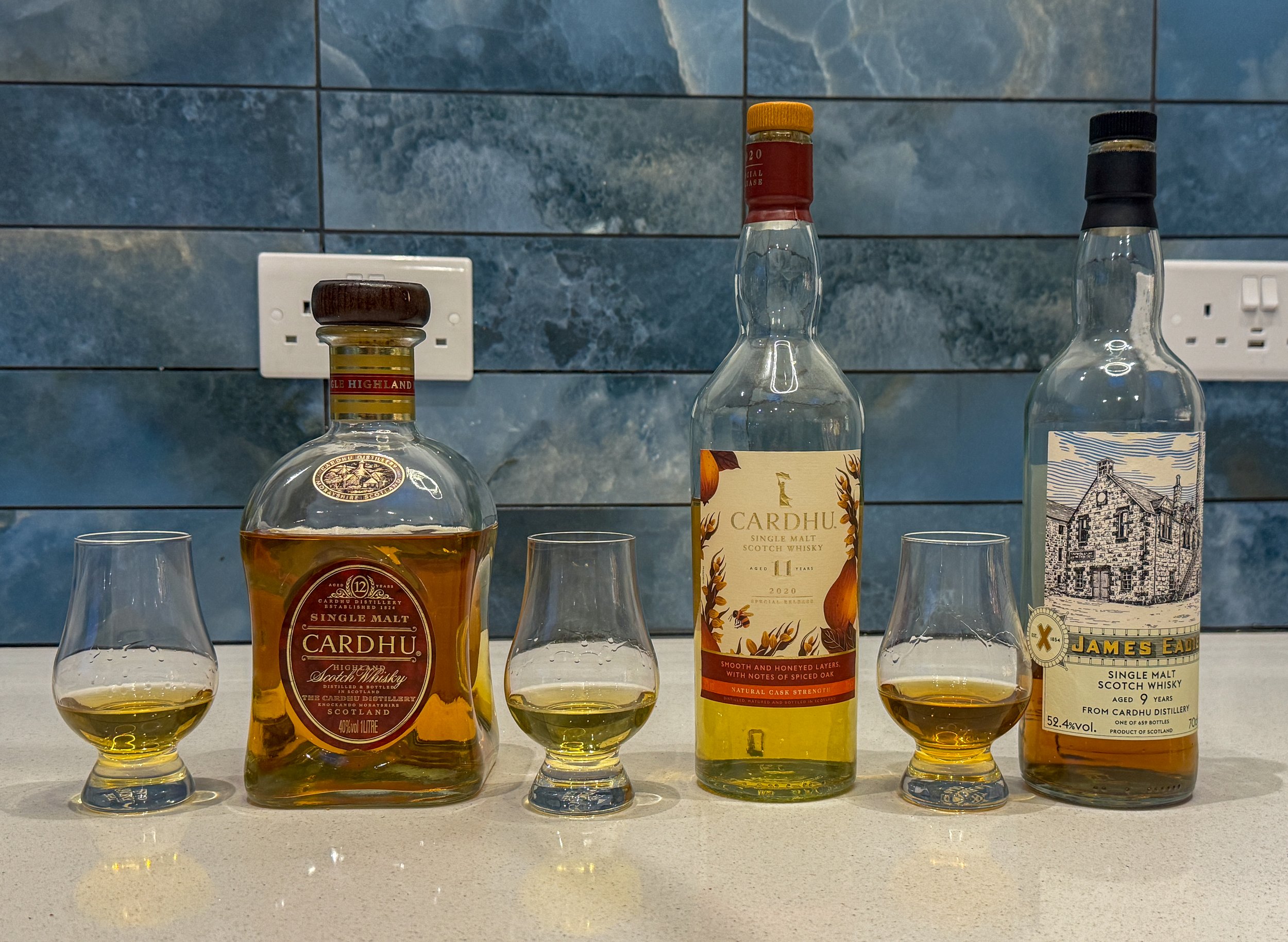
Review 1/3
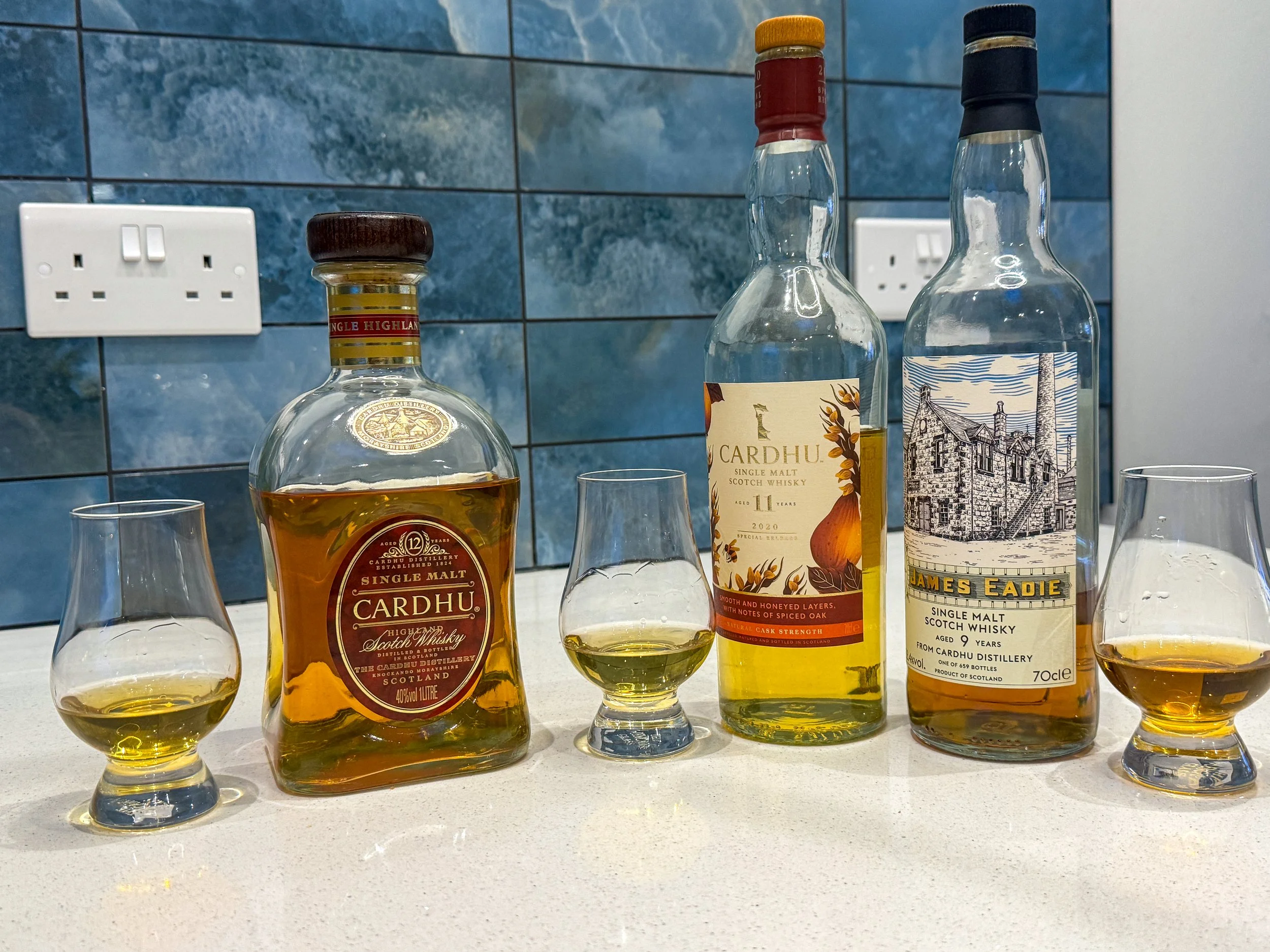
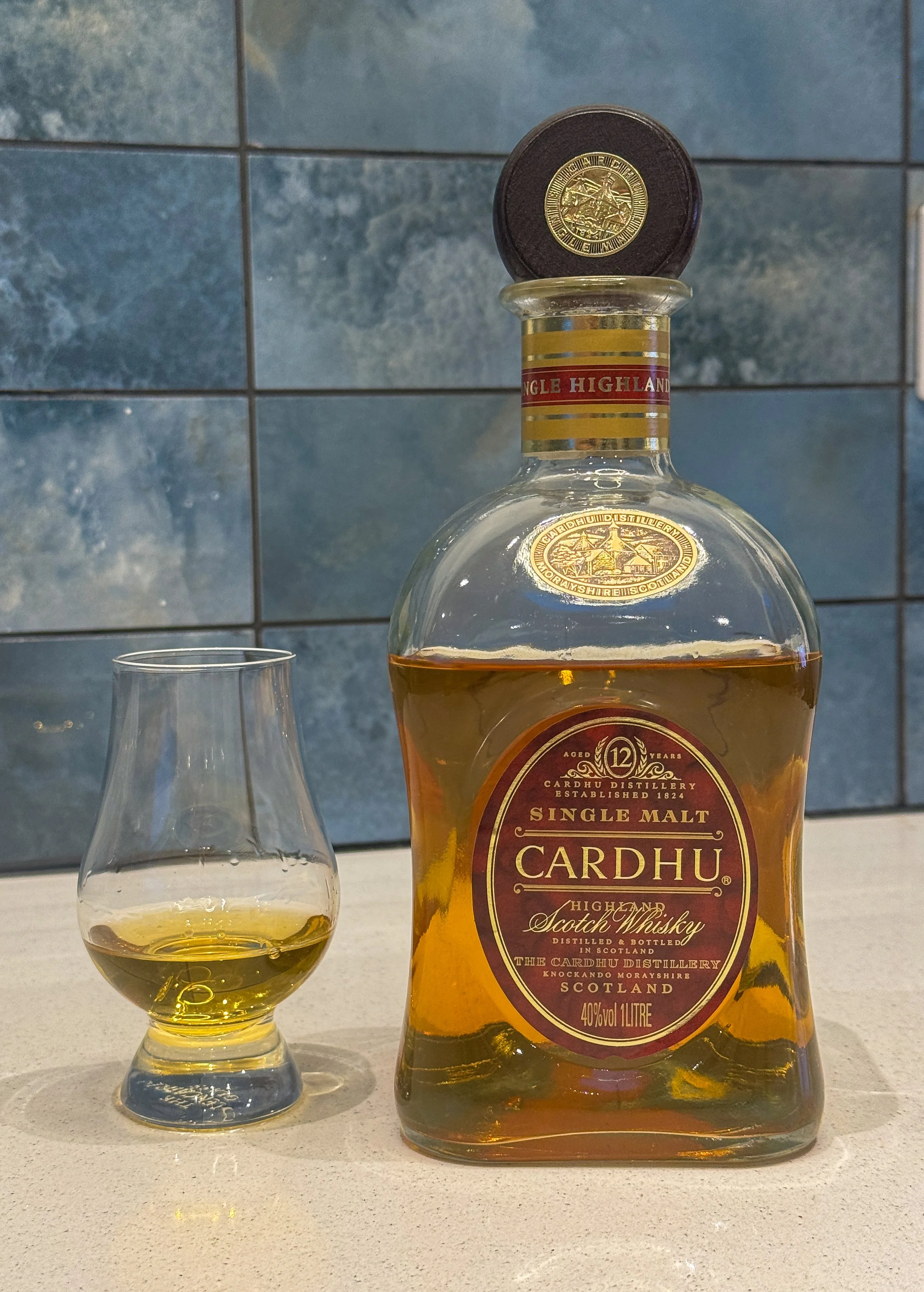
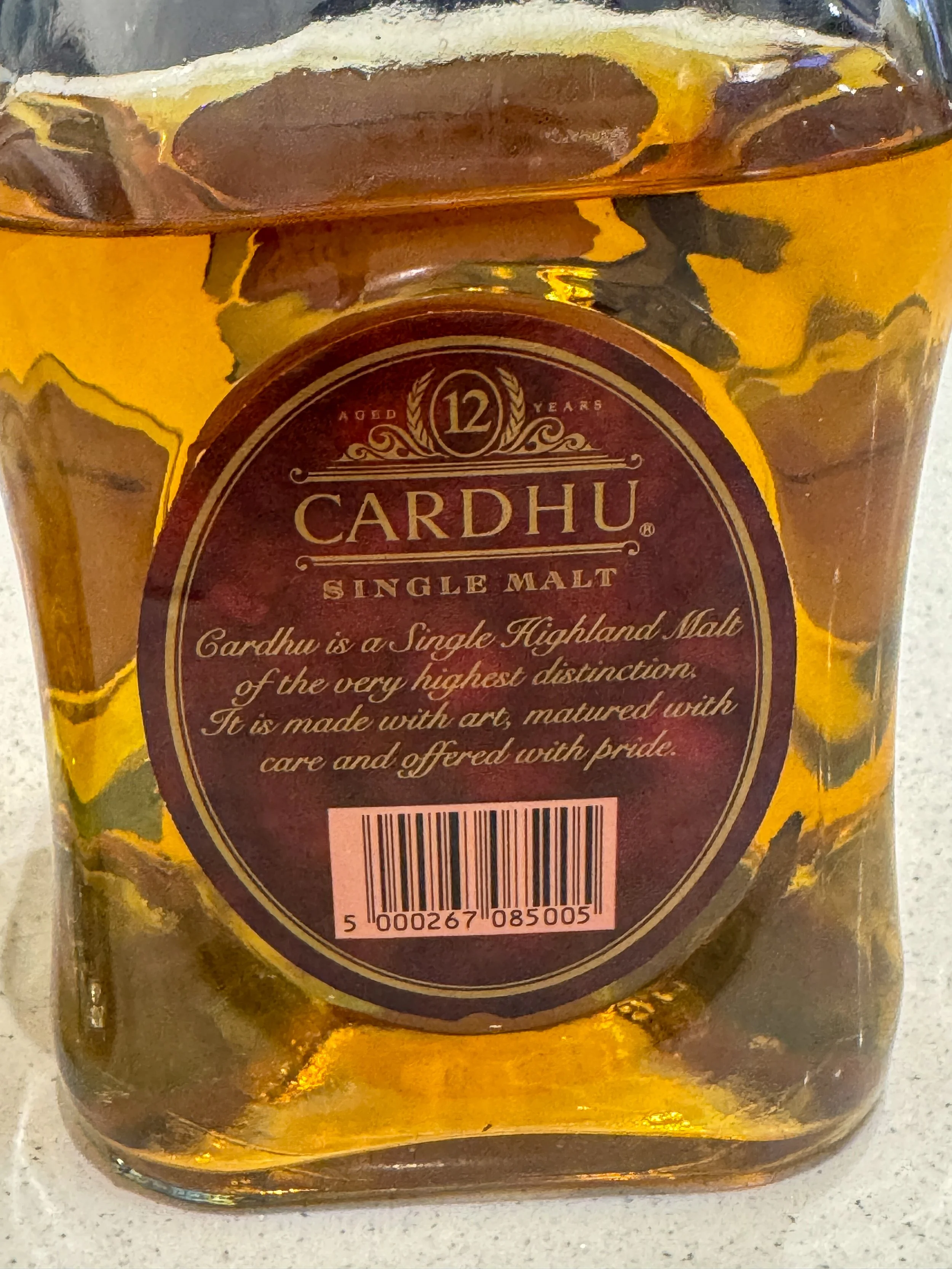
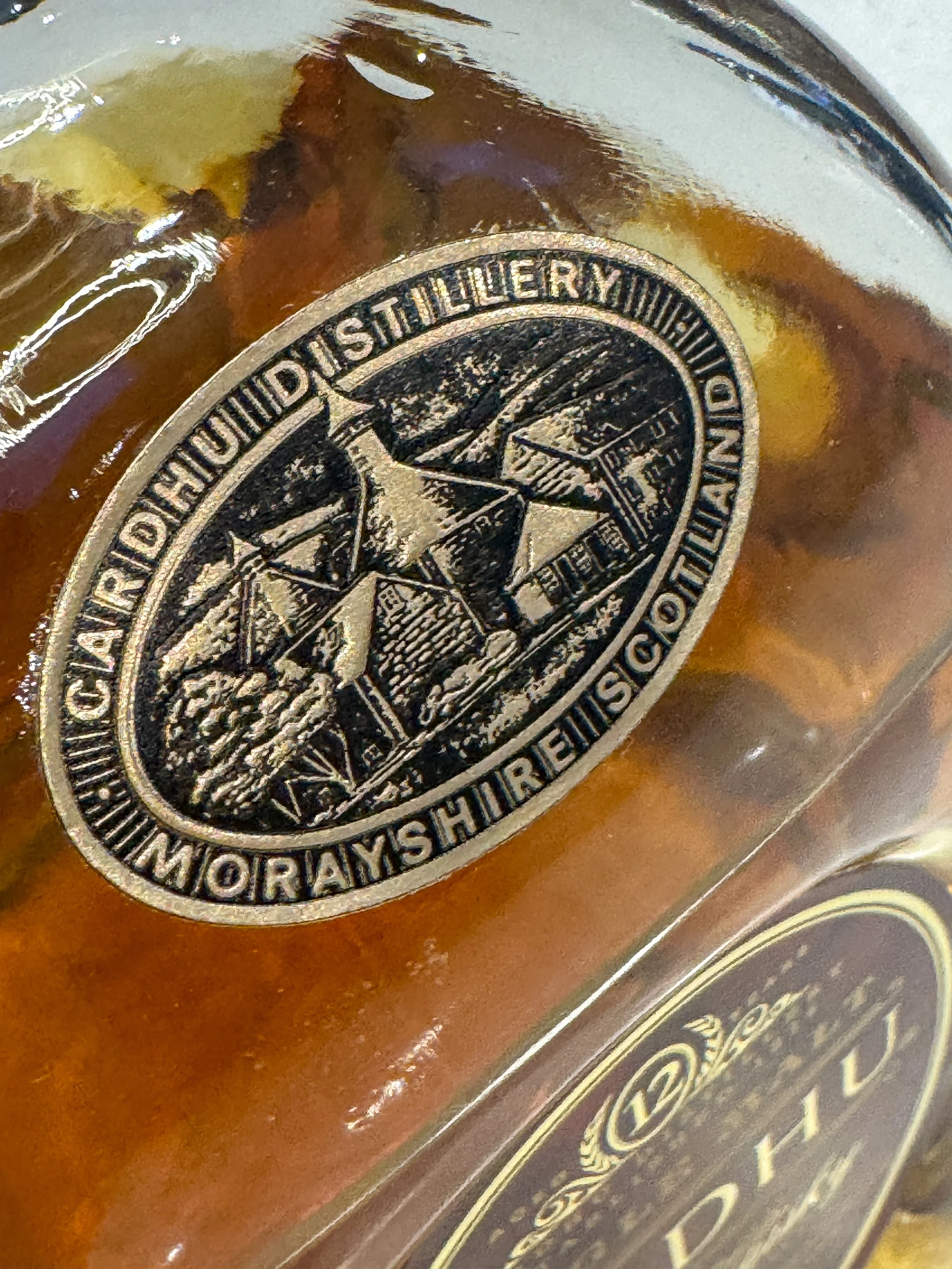
Cardhu 12yo, Official bottling, litre bottle, 40% ABV
£50 typical, but £25 paid at auction
First up it has to be the official bottling, in the curvy bottle, in this case a full litre of it. The official bottling is the 12-year-old at a “polite” 40%, it is chill-filtered and almost certainly wearing a load of caramel colouring: there is no point avoiding that. You know the drill by now on 40% material, but it was also a litre for £25.
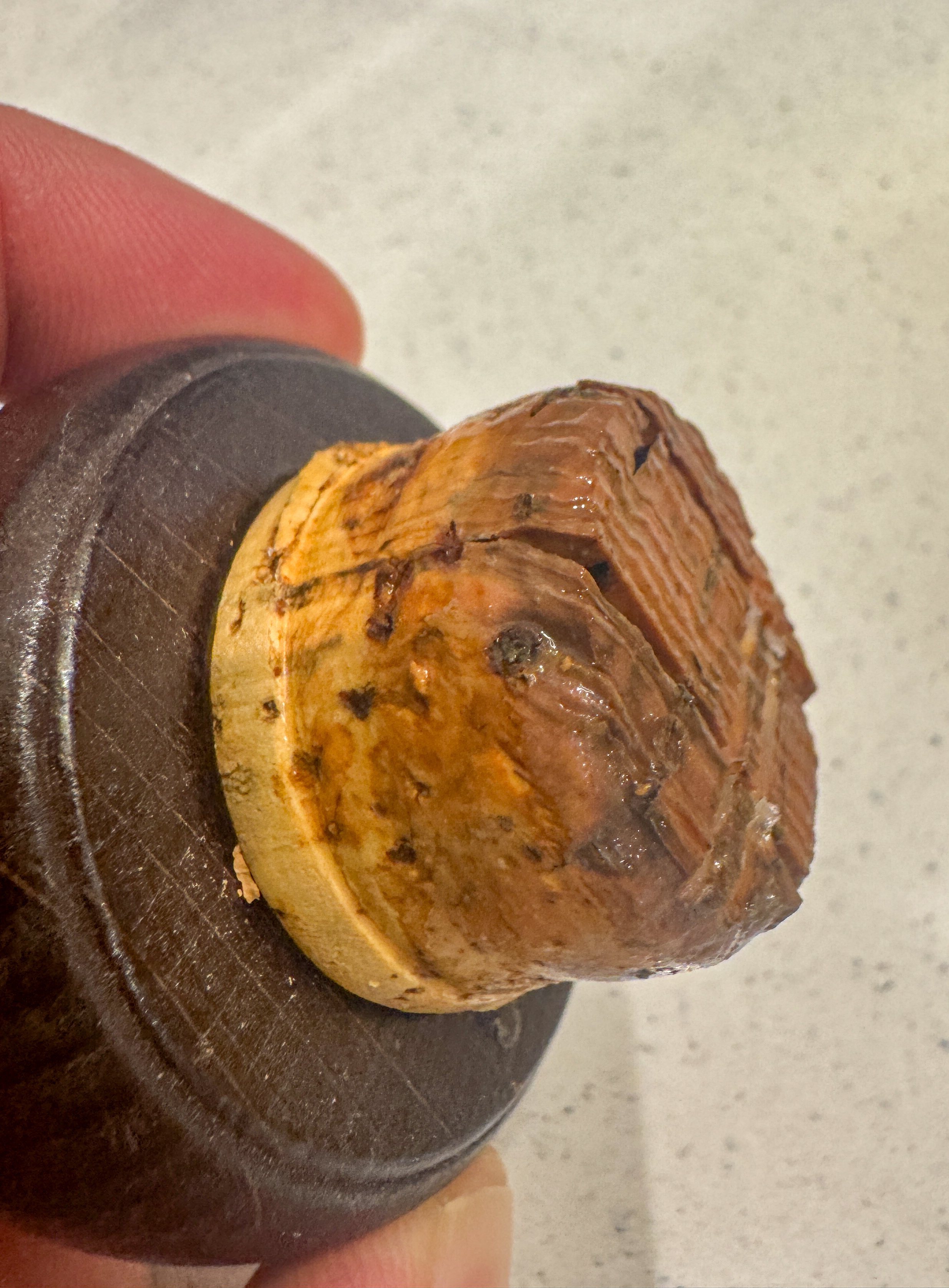
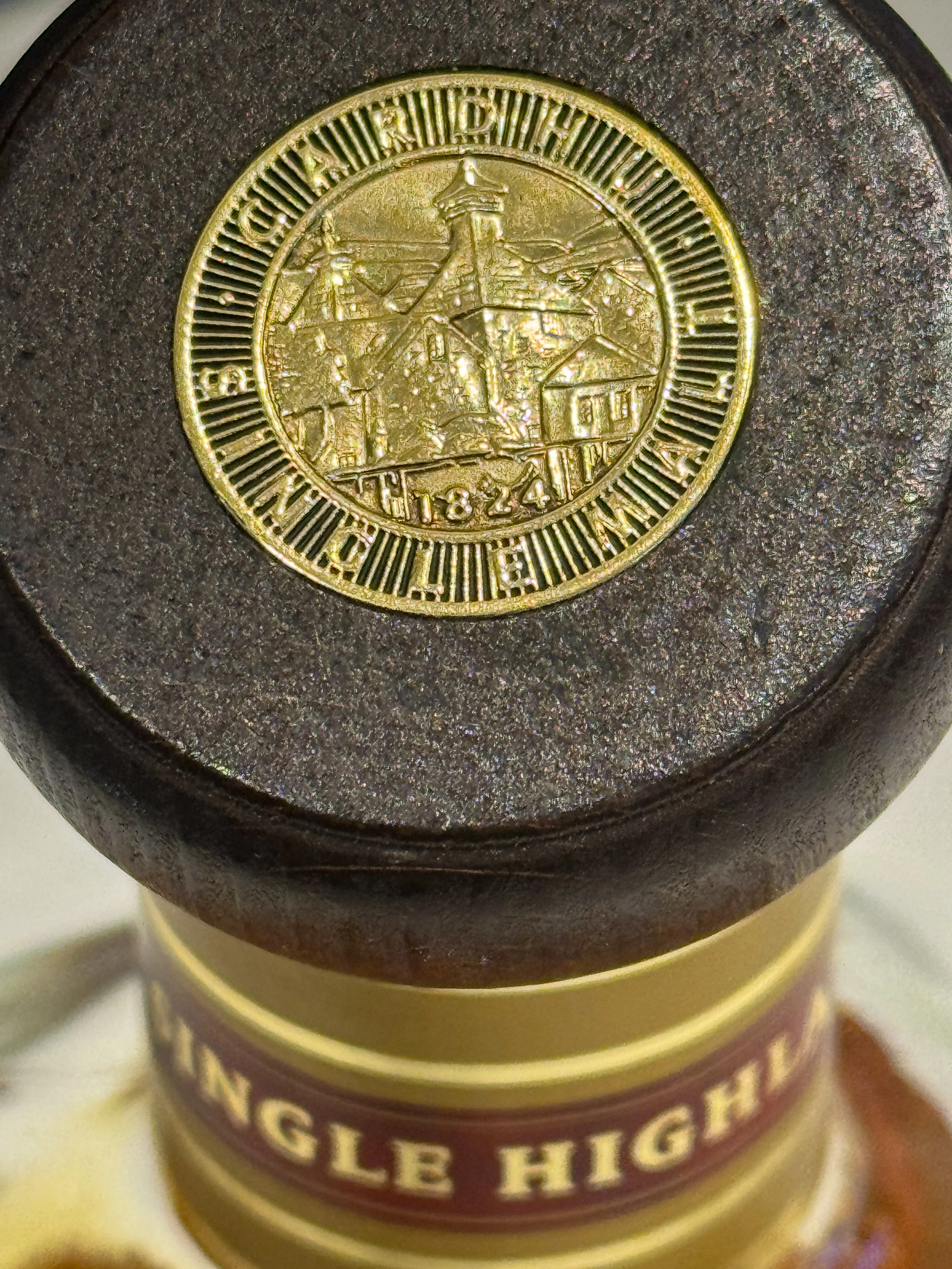
It wasn’t a good start with this one, the massive cork felt a bit spongey on opening and looked a bit worse for wear, but the contents weren’t affected. Now I keep a small box of random corks for this very occurrence but nothing this size, the only thing I might have that would work is a cork from a used Signatory Vintage decanter bottle, predictably I can’t find where I have put it so far, but I know it’s somewhere.
Score: 4/10
Some promise.
TL;DR
Supermarket sweep material
Nose
The nose is good. In fact, no, the nose is really good - it seems really promising at this stage. There is a ton of buttery caramel alongside stewed apples, honey, tea (don’t ask what kind of tea, I'm exclusively a coffee guy), some malt and a little wood. There is also a note of orange in the back somewhere.
Palate
Initial thought was this is lacking in taste; it was fairly watery. I felt it took a fair bit of work to get into this and find the flavours. There is definitely a wood influence and there is a bit of spice. There is some dark fruit - blackcurrant and cherry – there is a bit of vanilla lurking in the back and some honey and ginger but I felt it was swamped by the oak tannins. And then diluted down to nearly zero.
The finish isn’t long but is quite astringent and bitter, with a bad bitter coffee vibe that is definitely drying.
Water smooths the edges a bit, but even a drop or two just makes it wetter.
The Dregs
This really wasn’t something I could recommend. It was drinkable and I would politely manage it if served at a friend’s house or on an all-inclusive somewhere. It did grow on me a bit as the bottle went down over a period but definitely something I was using to get the material for the review rather than reaching for it out of enjoyment. As a 12-year-old it was disappointing – the oak has taken over.
Score: 4/10
Review 2/3
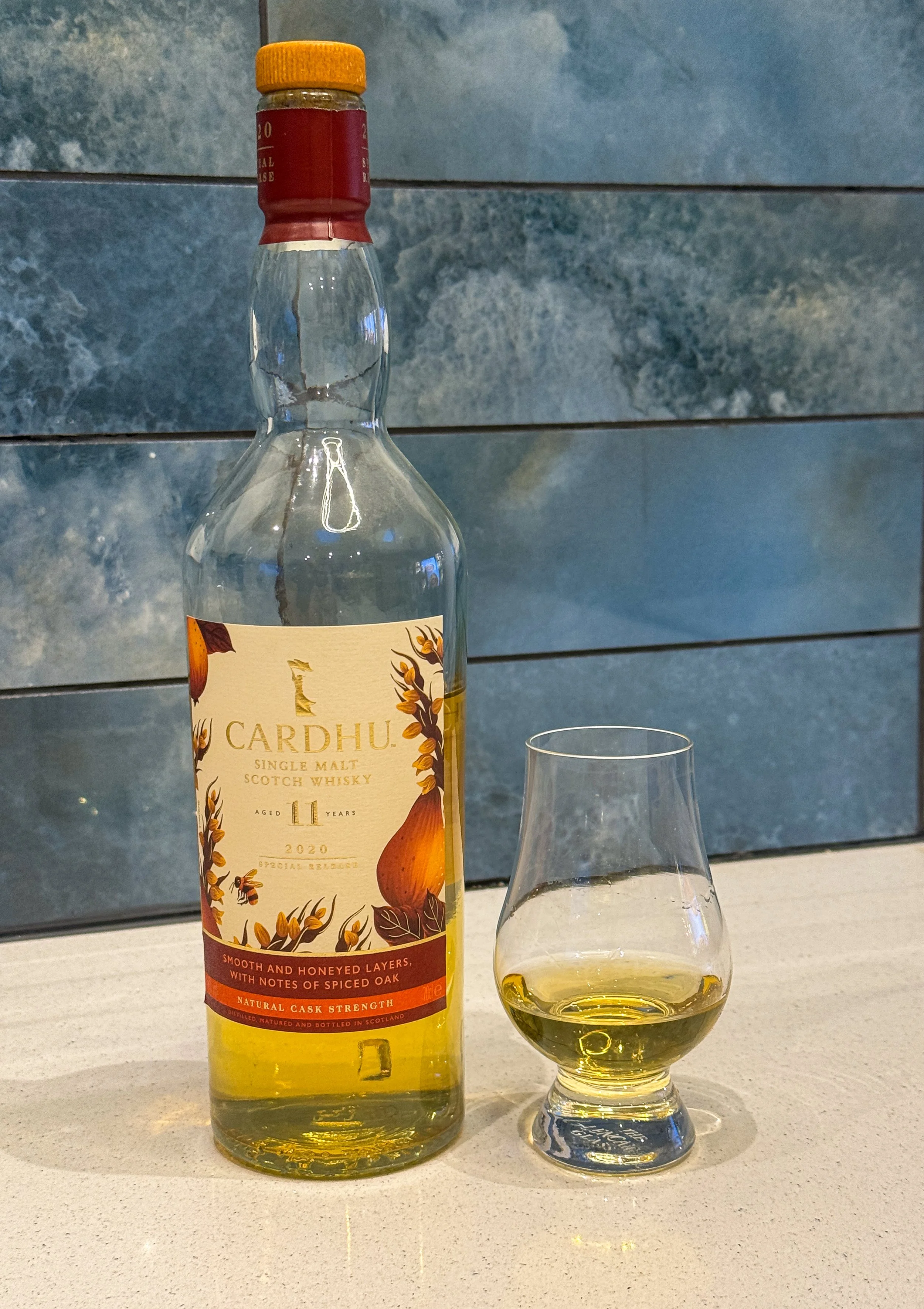
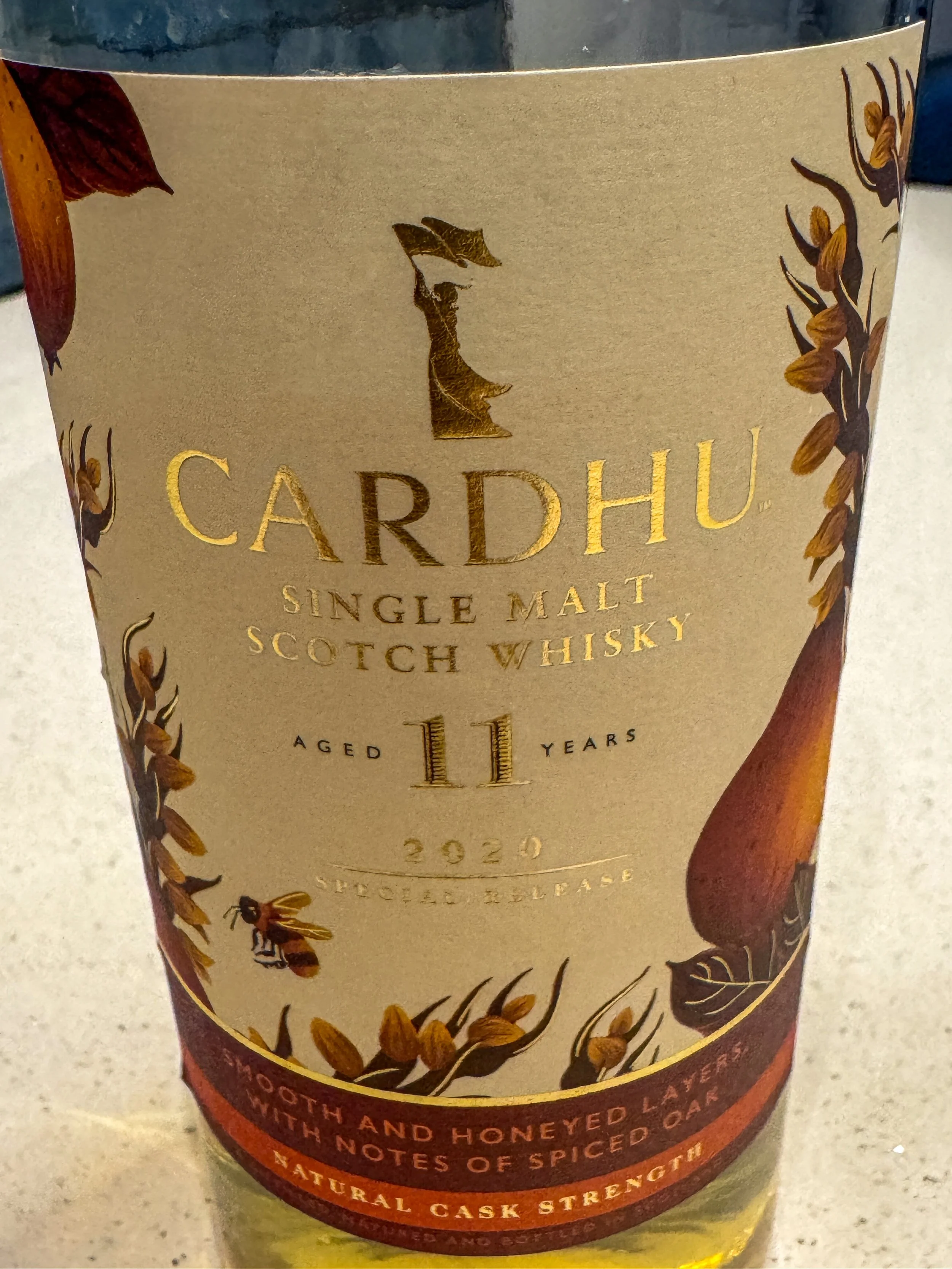
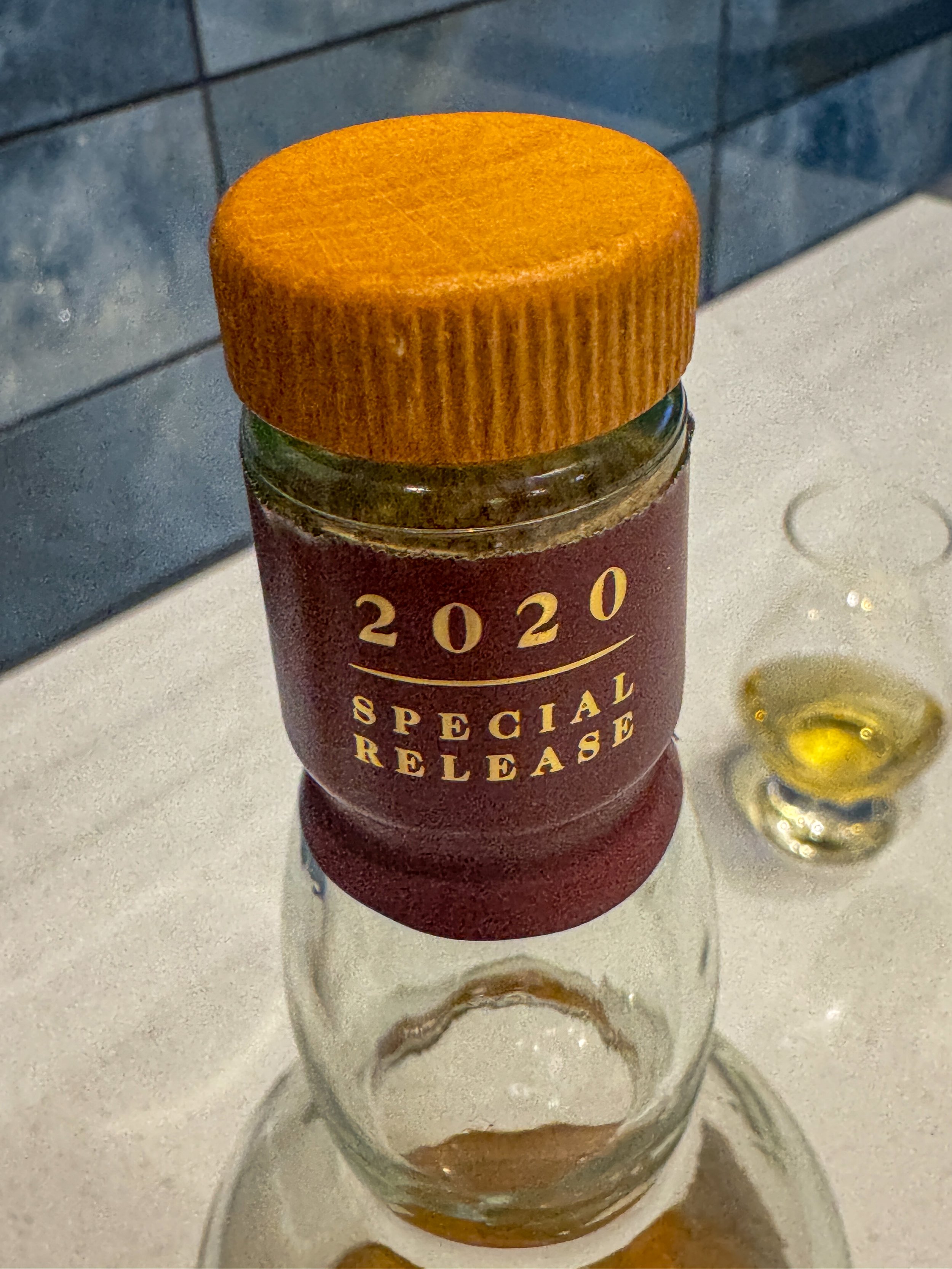
Cardhu 11yo, Official bottling, 2020 Special Release, from ex-bourbon hogsheads, 56% ABV
£84 typical, but £55 paid at auction
This was another auction purchase for me. I have bagged a fair number of Diageo special release bottles at auction, at sensible prices and at £55 this is definitely one of them. At the time of checking, you can get this for £84 on the great online next day delivery website in the sky, I think that’s a fair price in itself.
Score: 7/10
Very good indeed.
TL;DR
Worth this money all day long
Nose
The nose is straight away salt-packed along with stewed apples, apricot, grass and a touch of honey. It is pretty fresh despite having the fairly predictable caramel and vanilla.
Palate
The first taste is a bit shocking; a lot of alcohol comes across, but after that it settles down well. It’s a really good dram but it needs a bit of work to get the individual flavours. There is spiciness and wood from the start, but with a bit of work (yes this is a hard job) you can get to pineapple, honey, lemon. There is a touch of ginger that definitely lingers.
It is thick on the mouth and a bit waxy, the finish is a long and pleasant one that gently warms with a fairly delicate level of spice – cinnamon springs to mind.
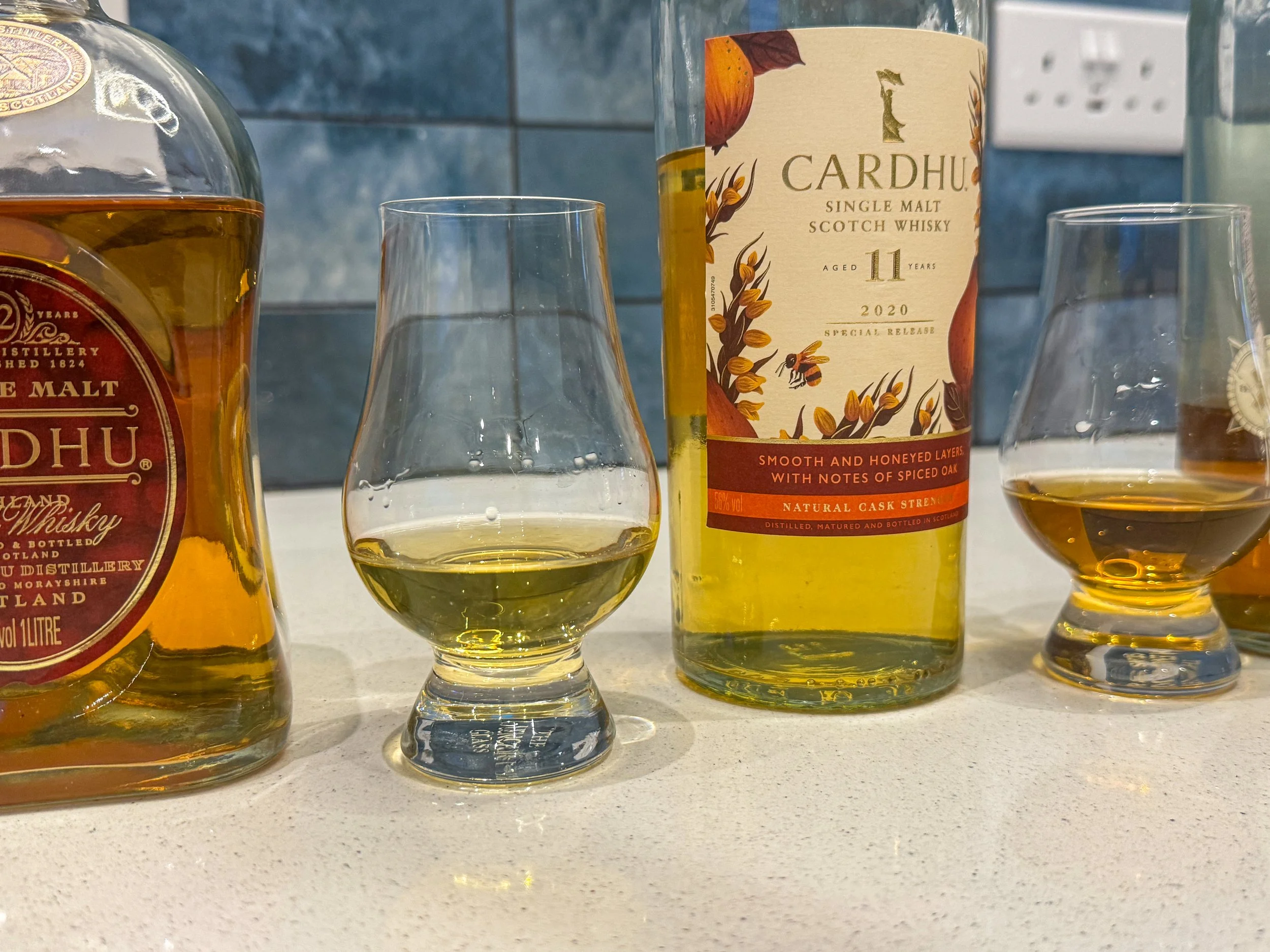
The Dregs
For anyone not hardened to higher than 50% ABV drinkers this has a good chance of being a bit shocking on the first taste, but bear with it and it definitely rewards.
Score: 7/10
Review 3/3
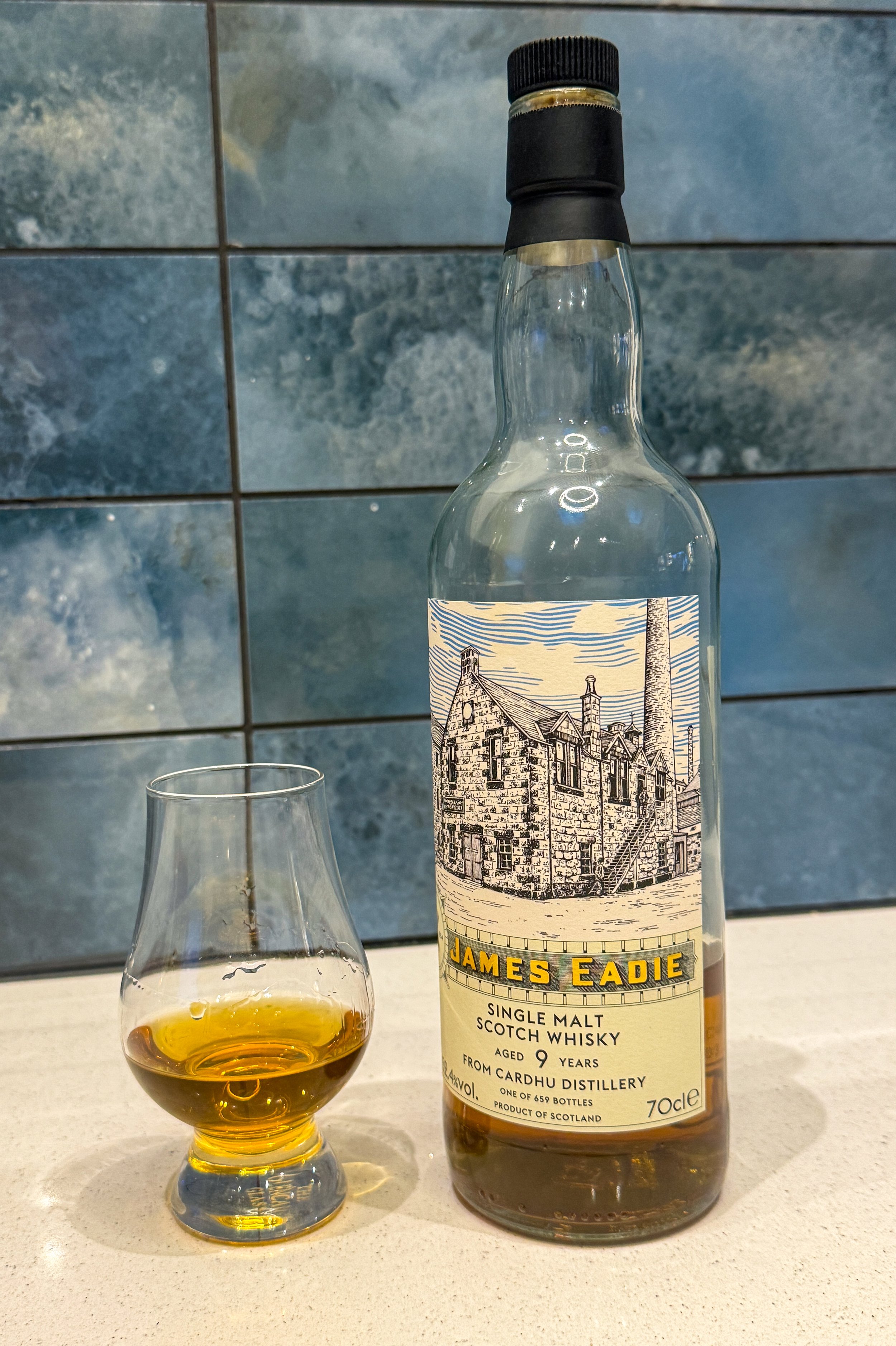
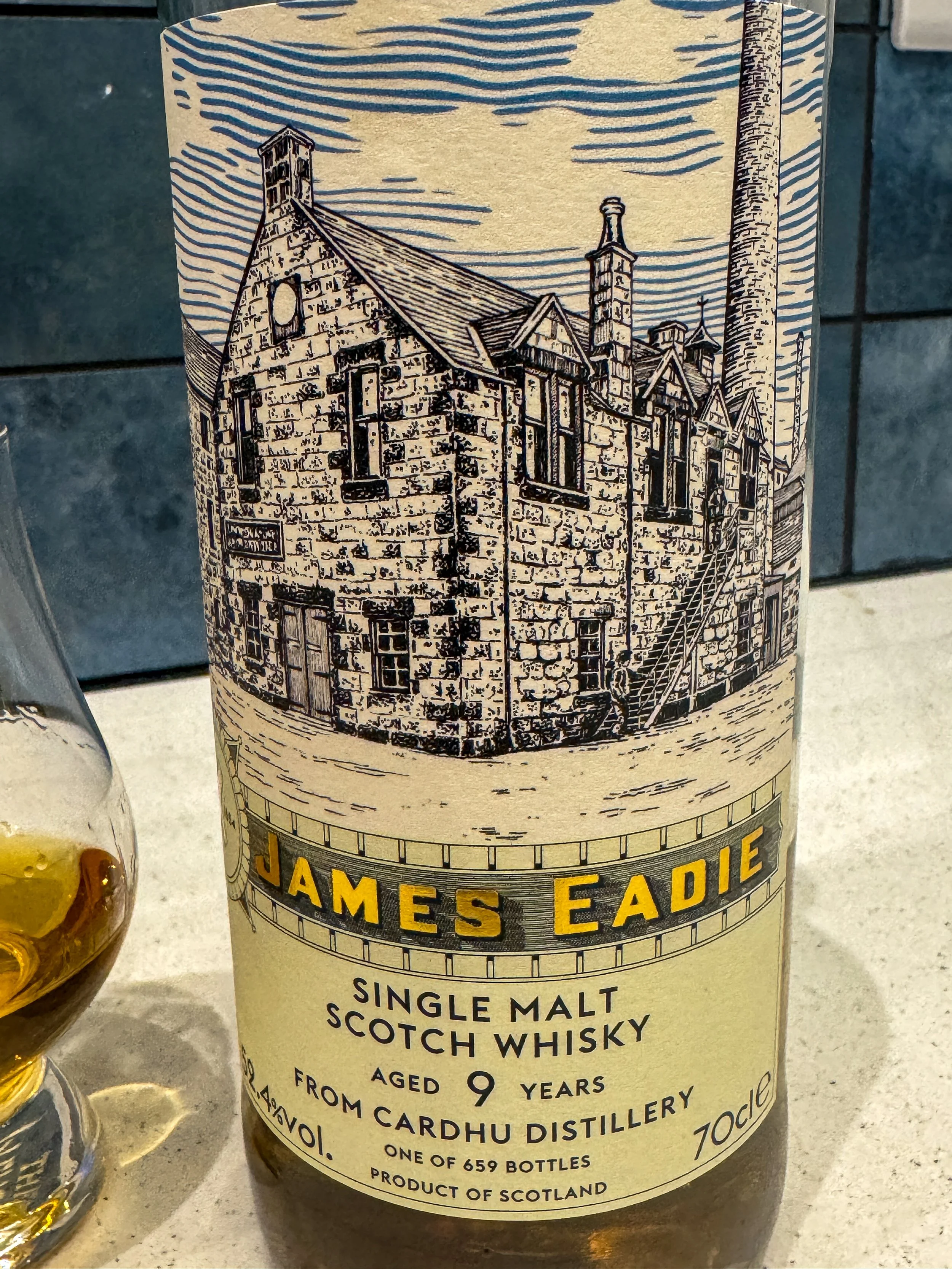
Cardhu 9yo, James Eadie Distilleries of Great Britain and Ireland series, first-fill bourbon hogsheads, 52.4% ABV
£65 paid at retail
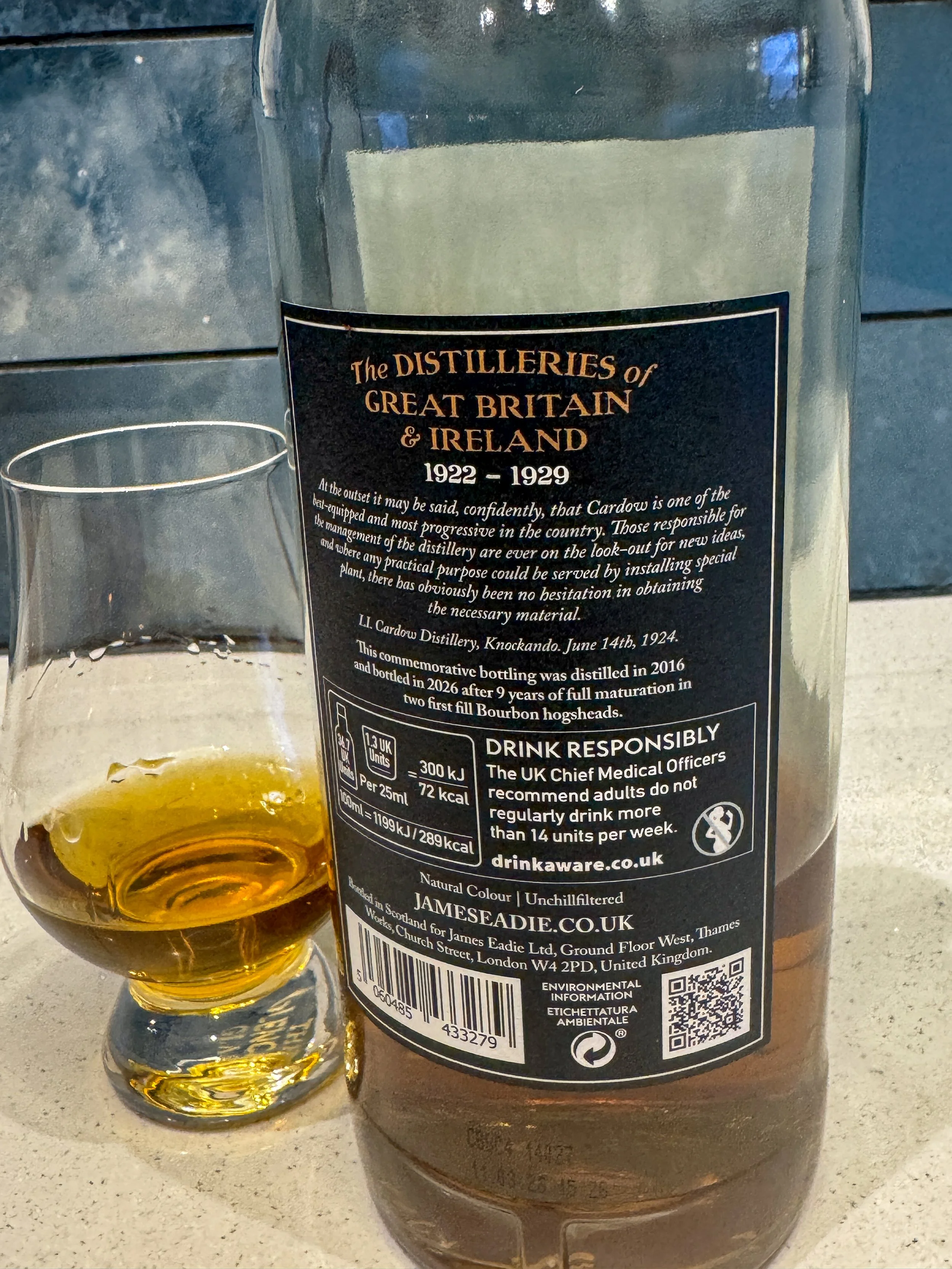
James Eadie bottled 659 of these, and I paid the full £64.95 for mine, which seemed fair. It's 2016 spirit, nine years in two first-fill bourbon hogsheads. Bottled at 52.4%, no chill filtration, no colouring.
It is part of James Eadie’s "Distilleries of Great Britain & Ireland" series. I have had a couple of bottles from James Eadie recently, their Dalmore was great, the Glendullan a bit less so.
Score: 8/10
Something special.
TL;DR
If you see this, buy it - indies do it again
Nose
It’s a fantastic nose straight away, lashings of soft toffee, with notes of honey, orange and a bit of maltiness. With a bit of time there is an air of saltiness, but overall it is such a light welcoming nose.
Palate
Is rich and creamy a tasting note? Probably not but that’s the immediate mouthfeel - and it’s good. I don’t think I would have guessed Cardhu for this one ever. The nose is well replicated on the palate which I loved, with loads of caramel, honey and malt in there. The orange notes are in there too, but more of a dark chocolate orange vibe. There is a bit of wood but nowhere near as much as the 2020 Special Release.
The finish is more of a long arrangement, with a nice level of heat which becomes slightly dry. The wood gives a lot of really good spiciness right at the back end.
Water softens it a bit, but I don’t think it opens it up beneficially.
The Dregs
Straight away you find the upgrade compared to the 12-year-old, the extra strength and body to it is lovely.
This is certainly the best Cardhu I have ever tasted and means I will be on the lookout for independently bottled Cardhu from now on.
The bottle is well down despite only having it a few months and that always betrays a story with me. I was tempted to grade this a 7 but I’ve had a word with myself - it’s definitely an 8.
The Final Dregs
The main thing we know is that the frustration continues. I struggle to think of a Diageo distillery where I haven't tasted something really good from the moment you step away from the core range. Yes there are some Diageo core products to enjoy, Caol Ila immediately springs to mind, but the core Diageo products are simply throttled back.
The 12-year-old Cardhu is all the evidence you could need. Twenty-five quid for a litre still felt like a poor deal, because there was nothing in the liquid taste-wise to hold onto. Then take the same distillate, leave it alone, bottle it at a strength that means something, and you get the Special Release and the James Eadie. Same spirit, same six stills, a completely different evening. The difference can't be the wood or the warehouse. It's a decision made at the point of bottling, or actually, a decision made by the marketing team and implemented in the bottling hall. If I’m honest, the nose on the 12-year-old beat the 2020 Special Release by a mile, but not on the taste.
For the price I would happily spend the £65 buying the James Eadie - every time.
Indies do it again.
Tried these? Share your thoughts in the comments below. CC
-
Dramface is free.
Its fierce independence and community-focused content is funded by that same community. We don’t do ads, sponsorships or paid-for content. If you like what we do you can support us by becoming a Dramface member for the price of a magazine.
However, if you’ve found a particular article valuable, you also have the option to make a direct donation to the writer, here: buy me a dram - you’d make their day. Thank you.
For more on Dramface and our funding read our about page here.

What’s your own personal top distilleries?
At the point of this article’s publication, Cardhu doesn’t appear in the Dramface Top 40.
You can influence that vote here!