Welsh Single Malt Whisky | 47% ABV
Score: 6/10
Good stuff.
TL;DR
A flavour-packed whisky that may change opinions
Second Chances.
Who actually pays for deliberately overpriced whisky?
The recent announcement by Arbikie at the World Economic Forum in Davos that they will be releasing a series of whiskies at frankly absurd, eye-watering prices made me think. Who are the people paying for it?
Arbikie chose this conference with a private tasting for world leaders and specially invited guests hosted by investment firm Tsao Pao Chee to launch their inaugural single malt. This also included one hundred bottles of a whisky named The Wild One which would be sold at £30,000 a bottle, as well as a ten year old at a much more palatable £250. Well, about as ‘palatable’ as a bowl of baby sick. Apologies if you’re currently eating your morning porridge.
Whatever the reasons for this choice of direction, it’s made it clear that this whisky is not targeted towards the average whisky enthusiast. This is being positioned for people with money burning a hole in their off-shore bank accounts. We won’t see them on social media opening and sharing bottles and discussing the whisky, or at least I certainly don’t on my feeds.
I can make some sort of sense of the rationale behind those who buy very expensive bottles from the likes of Macallan or Dalmore. The former in particular is partly based on a high reputation the whisky had when it was affordable to the drinker and gained a following due to its quality. Now it is less affordable and often used as a status symbol to showcase just how considerably richer than you these people are. It’s not a position I have been in, or am ever likely to be in, but there’s an angle there I can begin to understand if that’s your sort of thing. But who’s going to be impressed by an Arbikie?
There’s no history, no reputation, no name which is going to register with your other wealthy mates. Maybe the key is you have to tell them how much it cost as you pour it? Either that or it never gets opened and is seen as an investment. The Davos tasting was hosted by an investment firm after all, but thirty thousand pounds – seriously? When the time comes to cash in on your investment, who is going to pay in excess of that figure for a bottle from a fairly unknown distillery? It all seems a little crazy for a distillery with no back catalogue of hits, and is unlikely to get any, and most of the people who drink whisky can’t afford to become enthused by it.
I have tried to make a more conscious effort in recent times to try and understand other points of view generally in life. It’s very easy to disagree immediately when you have your own pre-conceived thoughts on a subject and push back without considering other angles. I have been guilty of that plenty of times, and will be again. Often, once you hear the opposing view suddenly you can see their side of the argument. Perhaps this is one of those things I will never understand and have to place it firmly in the ignore pile. After all, there’s far too much whisky as there is. Having one more I can ignore could therefore be seen as a blessing.
If things work out for Arbikie and they are able to make a business from selling it as a premium product then all power to them. They will be creating jobs and contributing to the local economy which is no bad thing. Maybe one day they will pivot back to more affordable single malts. The problem they will have is persuading people who hold negative sentiment to give them another chance.
With that in mind I think there are a number of whiskies which, for whatever reason, have not captured the interest of as many whisky drinkers as they perhaps hoped and, now that times are tougher, are starting to struggle to keep afloat. Lindores Abbery have recently made a number of staff redundant in order to cut costs, while Eden Mill entered administration last November only to be bought out by a private equity firm; another distillery that positioned a number of their whiskies at what I would consider to be unjustifiably expensive prices. With a recent change in strategy, perhaps that has been a factor.
There’s also the plethora of distilleries all over Scotland and beyond who have felt the need to pause or slow down production now their warehouses are full of whisky they are struggling to find buyers for. This should be good for the drinkers and we are already starting to see indie bottlers releasing from distilleries we rarely saw available previously such as Clynelish and Bowmore; but when people’s livelihoods are affected it isn’t what we want to see. Hopefully there is a balance to be found which can enable a more stable industry for the future.
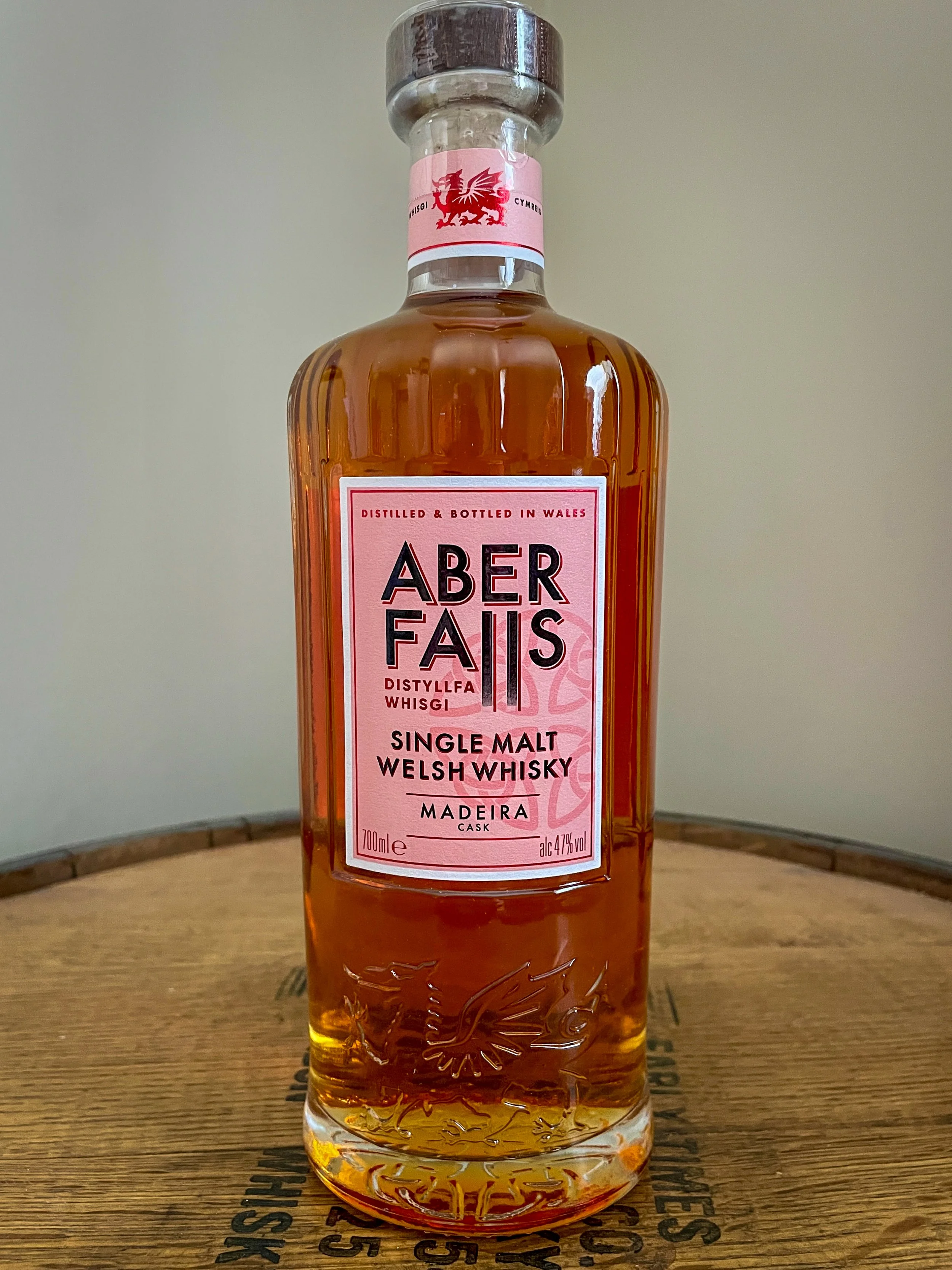
A whisky that I feel is often ignored - but perhaps shouldn’t be - is Welsh distillery Aber Falls. In my opinion they made a few mistakes early on and that has resulted in it going off whisky people’s radars. The inaugural was well priced and tasty whisky, but was in too small numbers and snapped up too quickly to register with the wider community. Then they went with the £20 supermarket-targeted whisky at 40%, which many of us have tried and felt completely underwhelmed by. No bother, we hoped there would be some offerings for the enthusiasts at higher ABV, which did happen, but they were priced at around the £65 mark and by that time we were happy to let it go and stick it firmly in the ignore pile.
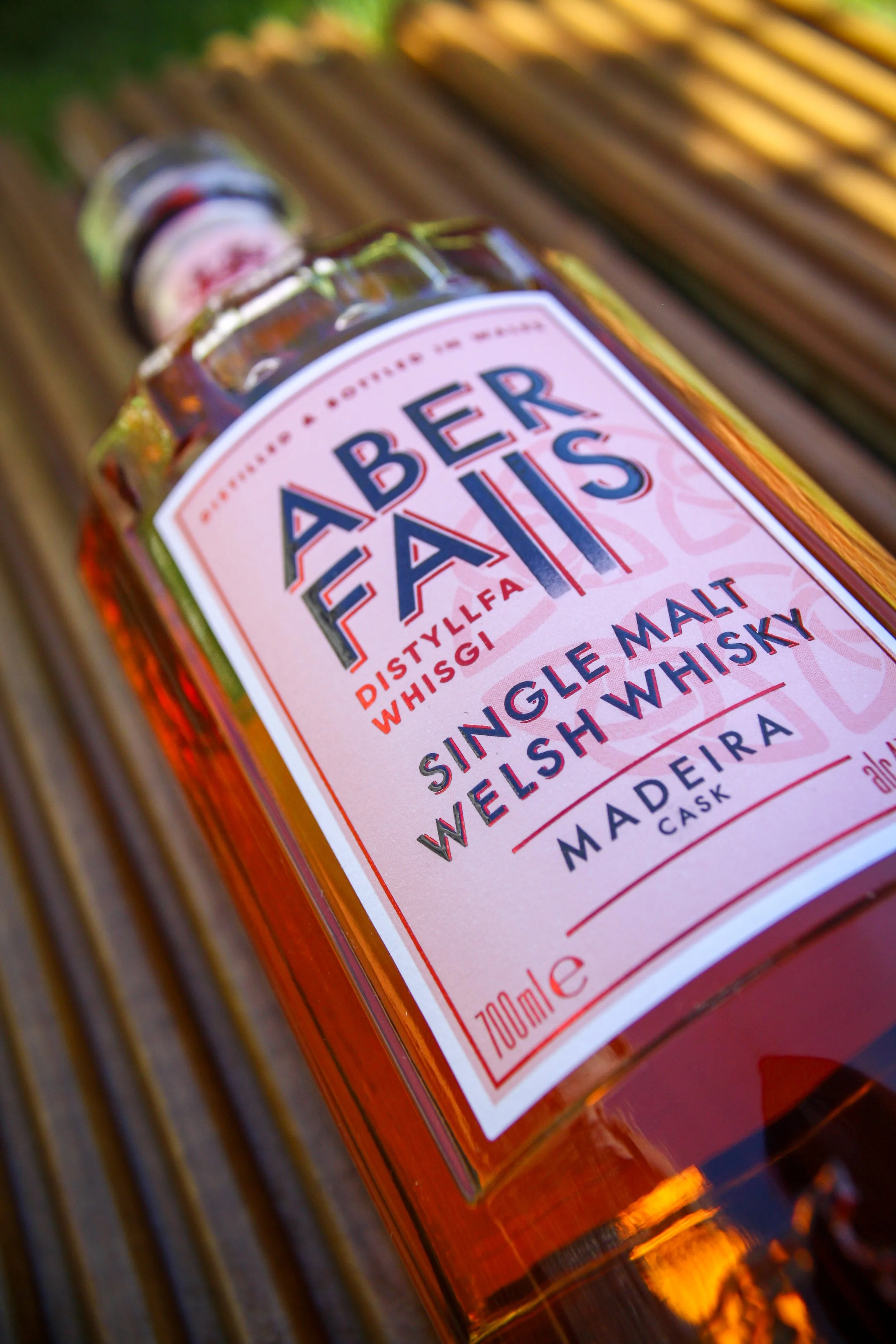
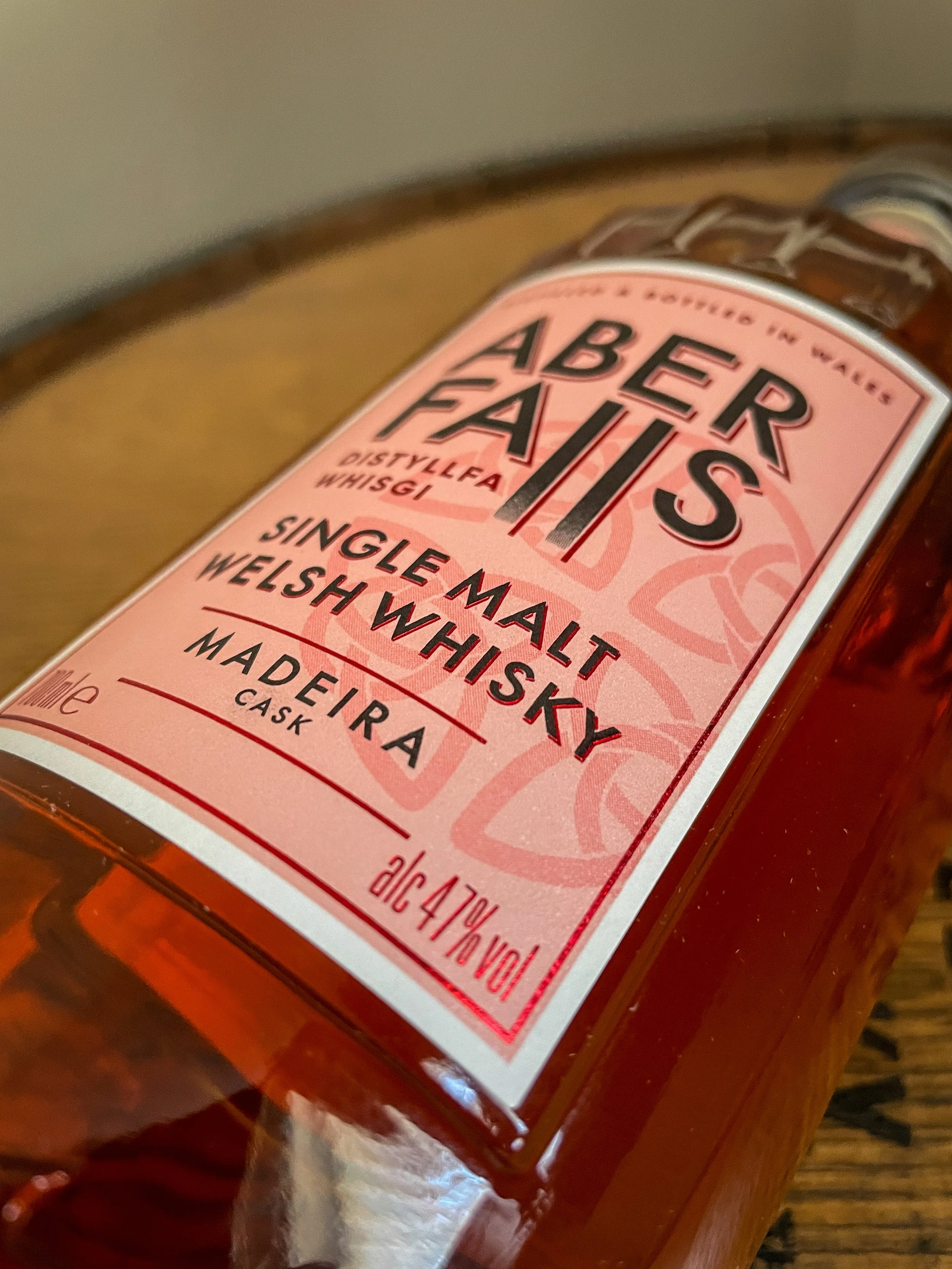
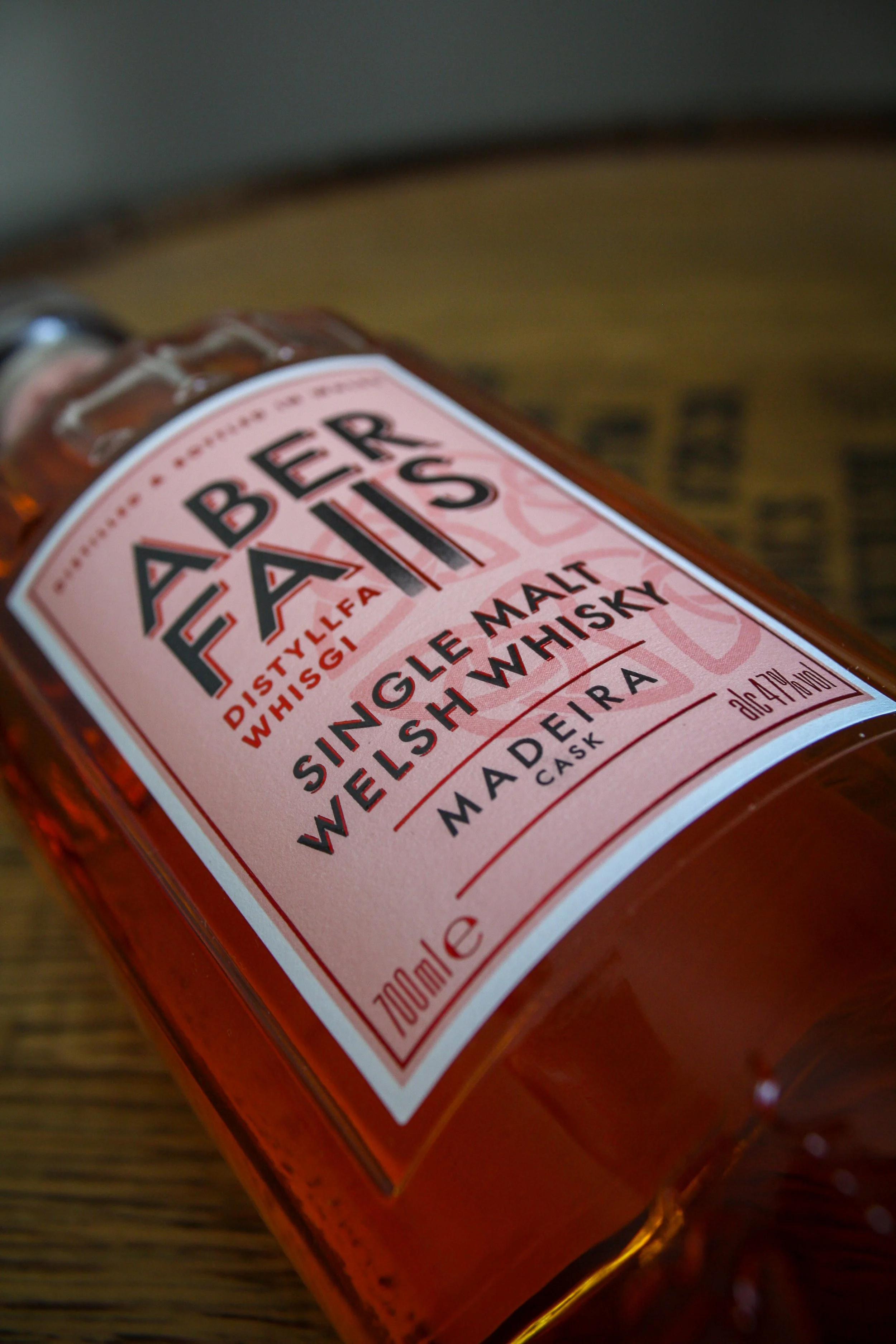
More recently they have come out with two more offerings at highly competitive prices. One of them is the Madeira Cask I am reviewing today, but there is also a Sherry Cask. Both are bottled at 47%, which is a rather unusual number to go for, but anything over 46% is great. The sherry cask was bottled at 40% for a time, but they have now increased that to 47% to match the Madeira version.
The first bottle of the Madeira Cask I bought was from the Aber Falls distillery website and it was just £27. They have since upped that to £35, but if you’re somebody who shops about you can find this regularly discounted to around £25. At time of writing I notice it is available for a frankly absurd £23.
Review
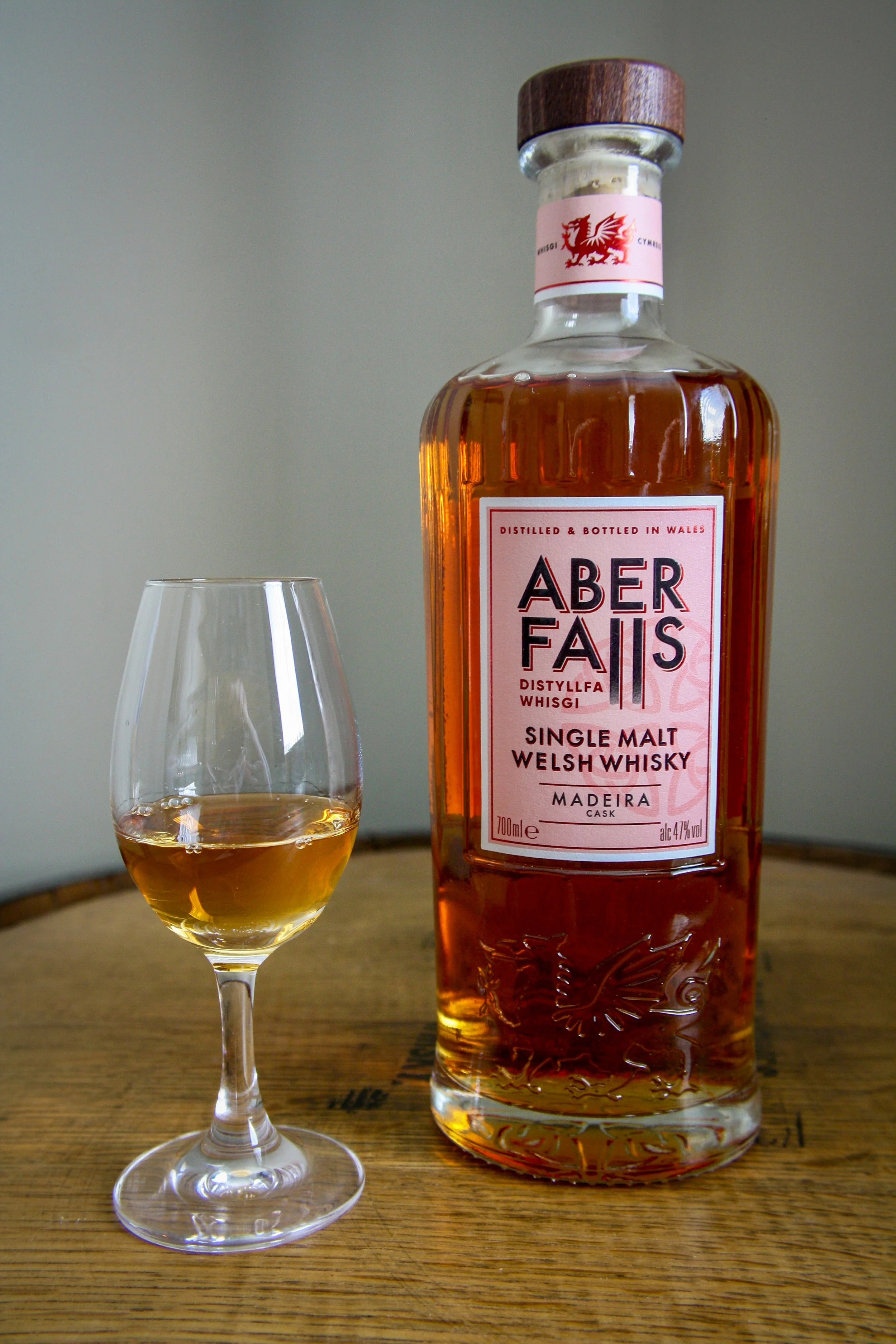
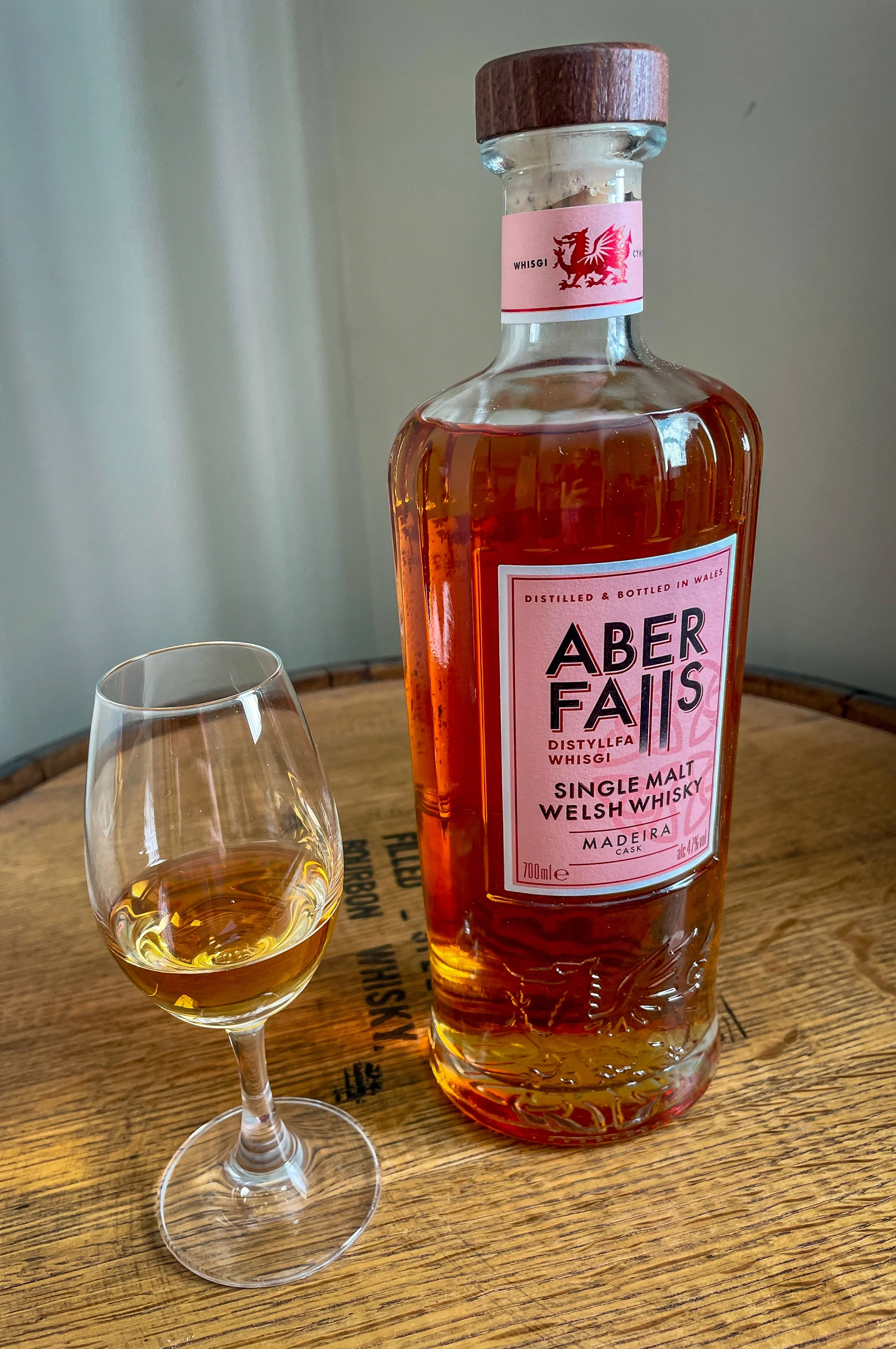
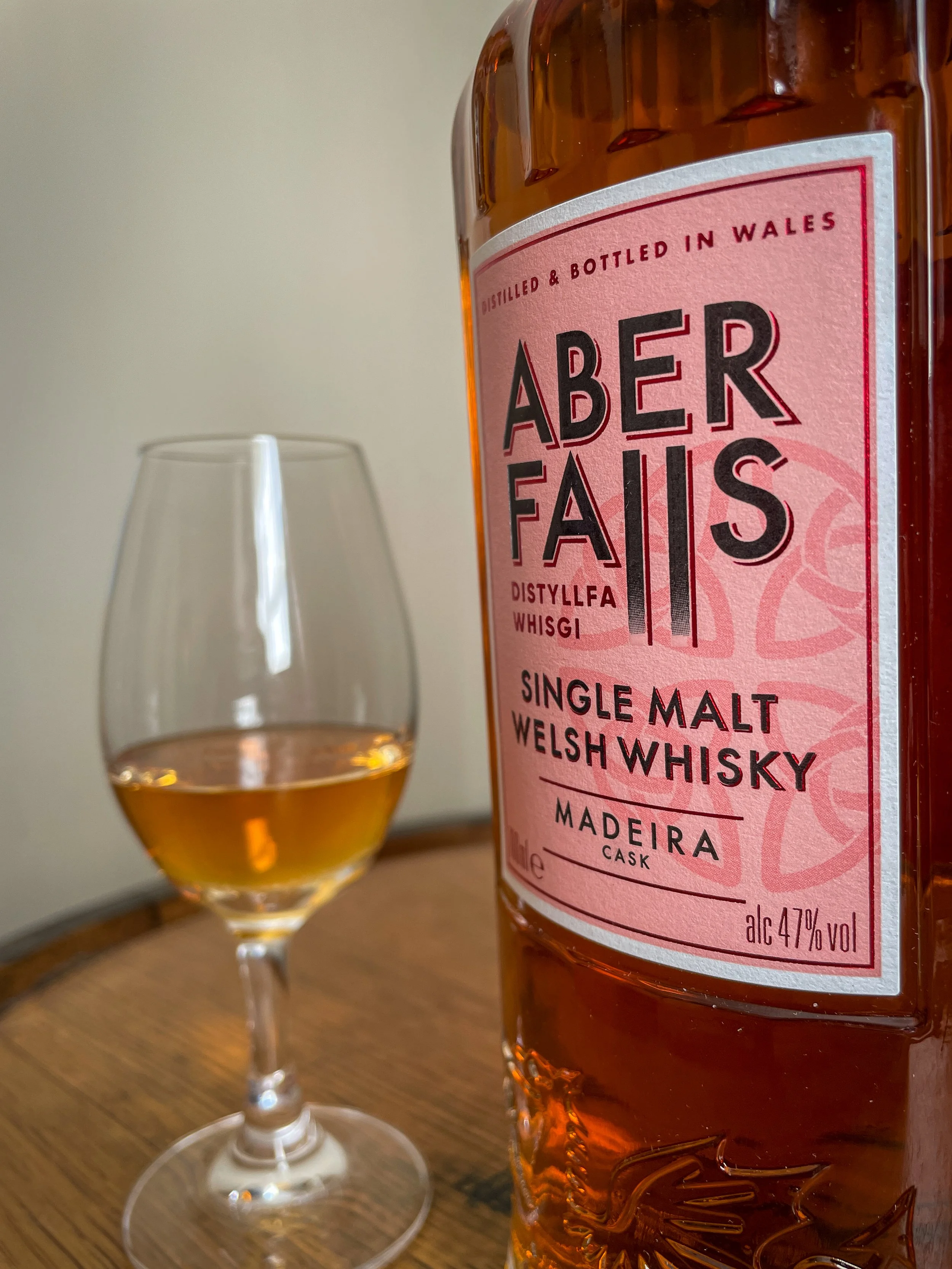
Aber Falls Madeira Cask, Welsh Single Malt Whisky, Official bottling, 47% ABV
£27 paid, widely available
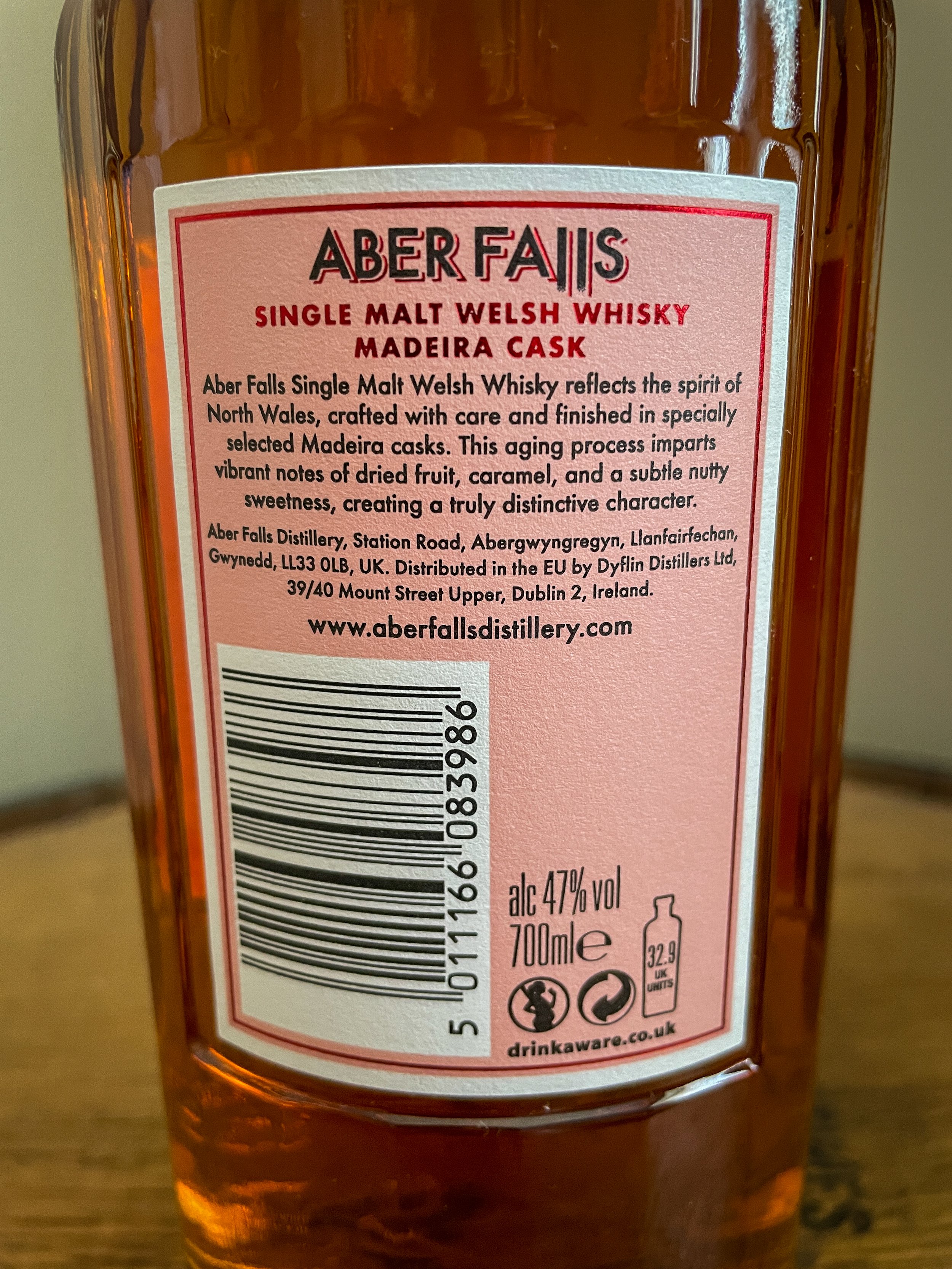
Although it is bottled at 47%, there is sadly no mention of whether this is non-chill filtered or natural colour on the label. The Aber Falls website does confirm it to be all natural, which is great and can be trusted as a reliable source, but we really need that on the bottle.
Score: 6/10
Good stuff.
TL;DR
A flavour-packed whisky that may change opinions
Nose
It noses great. A big burst of orange oil, marmalade, peach and Christmas cake aromas, with raisin cinnamon bun, clove, caramel, vanilla and milk chocolate.
Palate
Very fruity with prominent orange again, along with honey and mixed dried fruits with creamy vanilla and milk chocolate. That bright start to the palate is soon replaced by charred oak, which is a little drying and then comes very dark chocolate, anise, liquorice, cinnamon and then double cream and coconut at the end.
The Dregs
I'm very happy with this and even considered a score of 7/10 - such is the flavour to value ratio we have here, but a strong six is about right. It’s a little bit oakier on the palate than I personally prefer, but it doesn’t go too far in that direction and the bold fruit, vanilla and chocolate cut through.
I’m hoping we get even more of these releases from Aber Falls and perhaps even a bourbon cask at some point so we can experience a bit more of their spirit character. They have just released a six year old rye whisky matured in virgin oak for St David’s day which is also at this 47% strength. Unfortunately that one is £65 and a little too expensive for me, but if a rye whisky is your kind of thing, it is available now and could be an interesting comparison to American ryes.
If your Aber Falls experience to date has been the 40% version then give the Madeira cask a try, I think you may well be pleasantly surprised how much more flavourful a whisky it is. The biggest recommendation I can give you is that this is my second bottle and I am sure to order a third soon.
Score: 6/10
Tried this? Share your thoughts in the comments below. RT
-
Dramface is free.
Its fierce independence and community-focused content is funded by that same community. We don’t do ads, sponsorships or paid-for content. If you like what we do you can support us by becoming a Dramface member for the price of a magazine.
However, if you’ve found a particular article valuable, you also have the option to make a direct donation to the writer, here: buy me a dram - you’d make their day. Thank you.
For more on Dramface and our funding read our about page here.